

Aim for a working demo
Narrow the topic to something that runs, can be explained and can be demonstrated. Make the core workflow work first.
MMJI & BAIDU SKYAI HACKATHON CAMP · 2026
Baidu Xinghe Cup · OPC × Agent
Super Individual Challenge
Turn an idea into something you can demonstrate.
Three introductory talks led into three days of teaming up, development and debugging. Eleven projects explored low-altitude applications, using LLMs and agents to address specific scenarios.
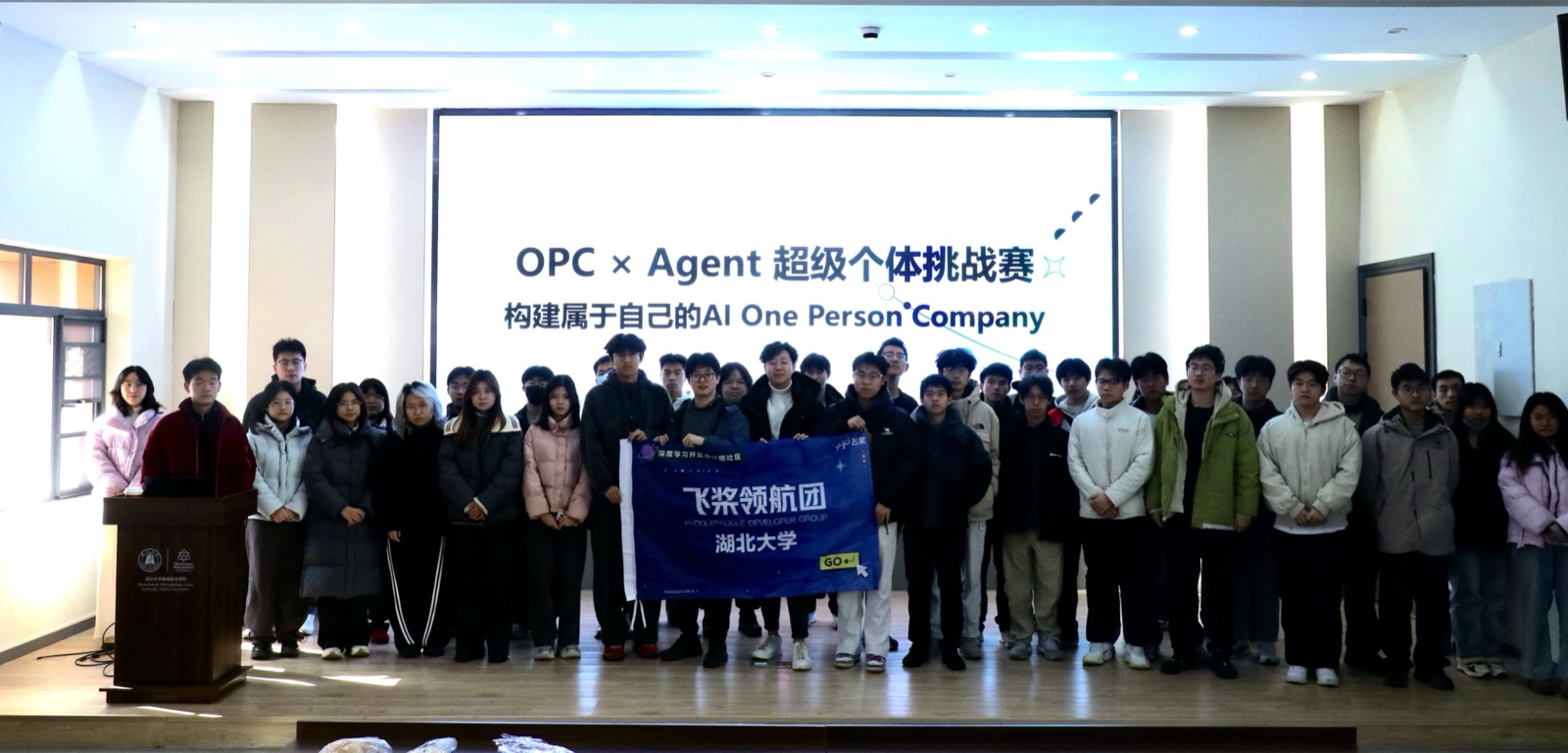
LEARN, THEN BUILD
Talks connected product thinking, AI-assisted programming and agent workflows, offering starting points for students with different technical backgrounds.
PaddlePaddle Senior Product Manager Conglin Liu drew on projects including AI table tennis to explain how to identify needs, organize features and turn technical capabilities into product experiences.
Shengjie Mo, a software engineer at the Institute of Computing Technology, Chinese Academy of Sciences, introduced AI-assisted programming through three live examples, from describing a need to running a prototype.
Ziyu Zhang, national lead of the PaddlePaddle developer groups, used One Person Company as a theme to explain single-agent, multi-agent and business-workflow design.
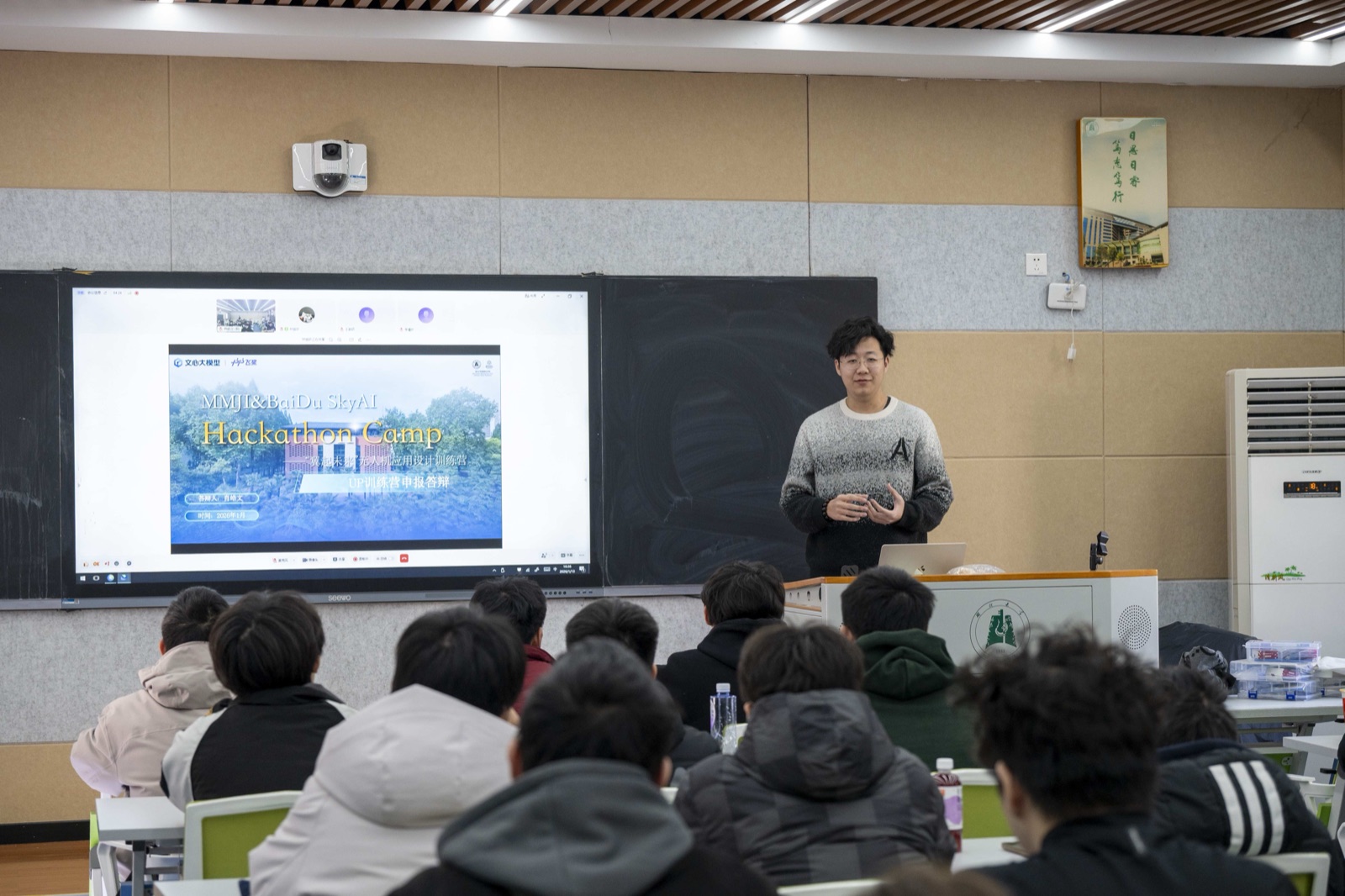
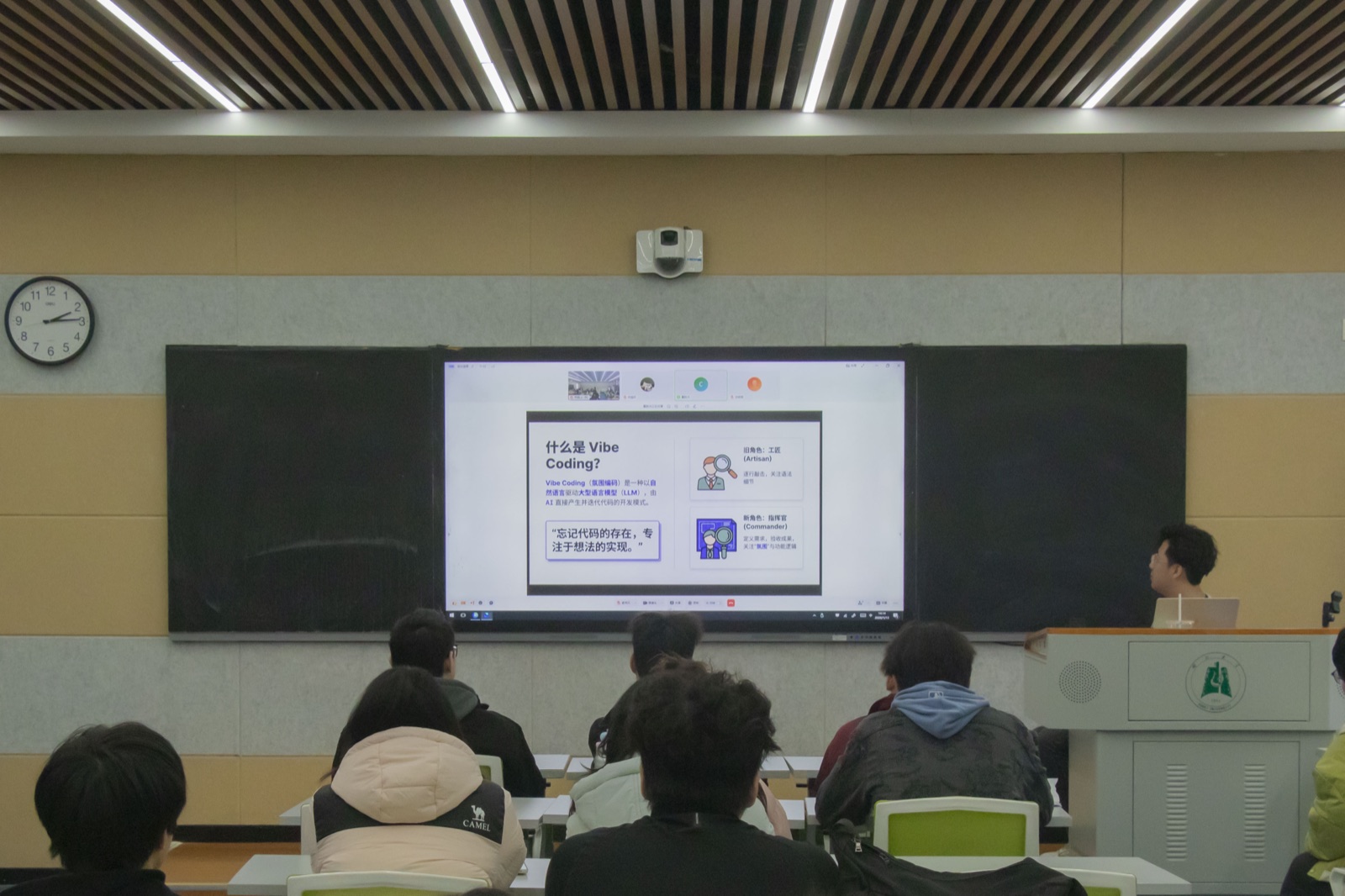
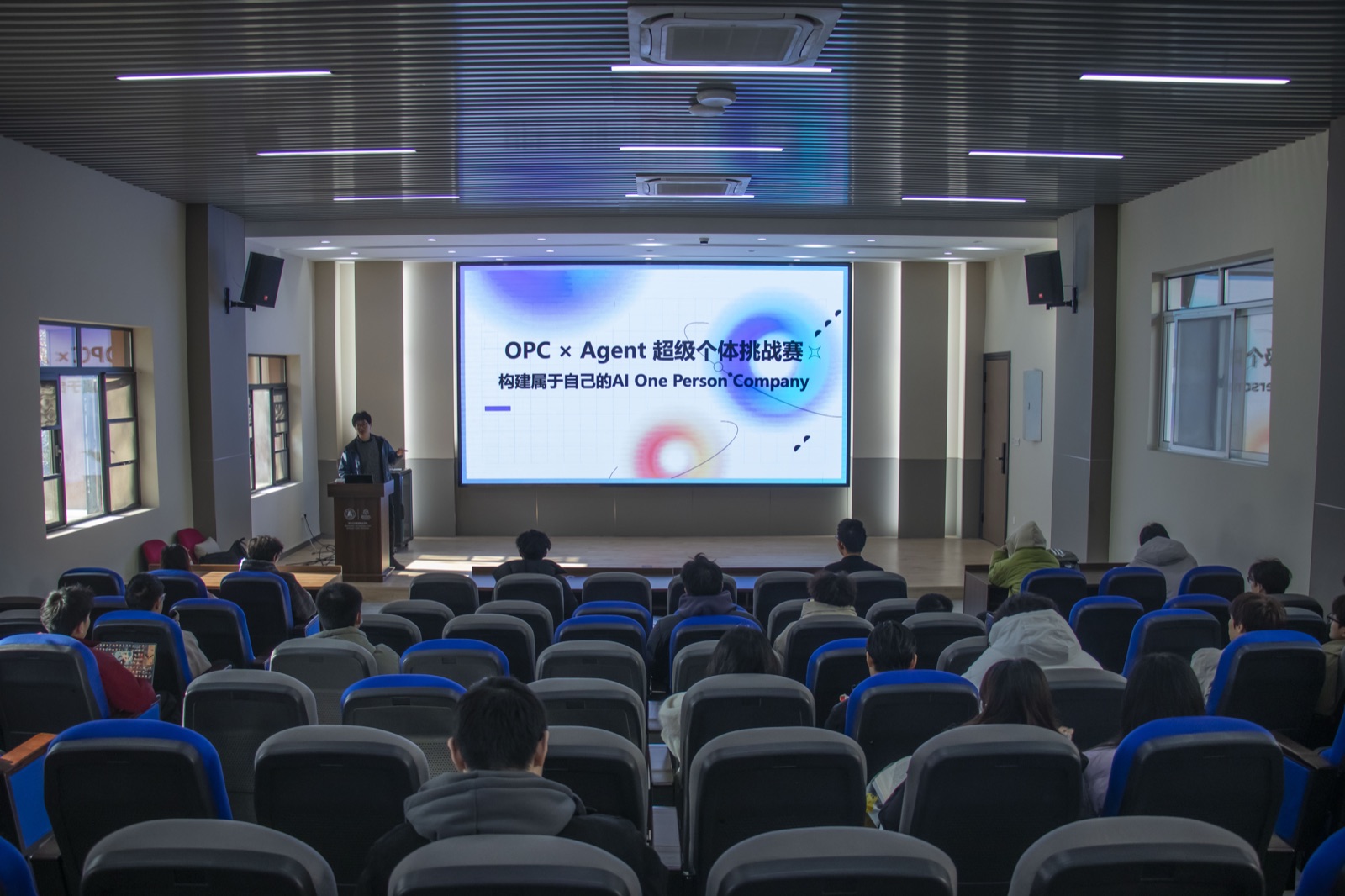
Talks began on the morning of January 13. Speaker roles follow the camp script.
MEET YOUR TEAM
Introductions and cooperative and competitive games helped students get to know one another. Teams formed around shared interests and a willingness to collaborate before intensive development began.
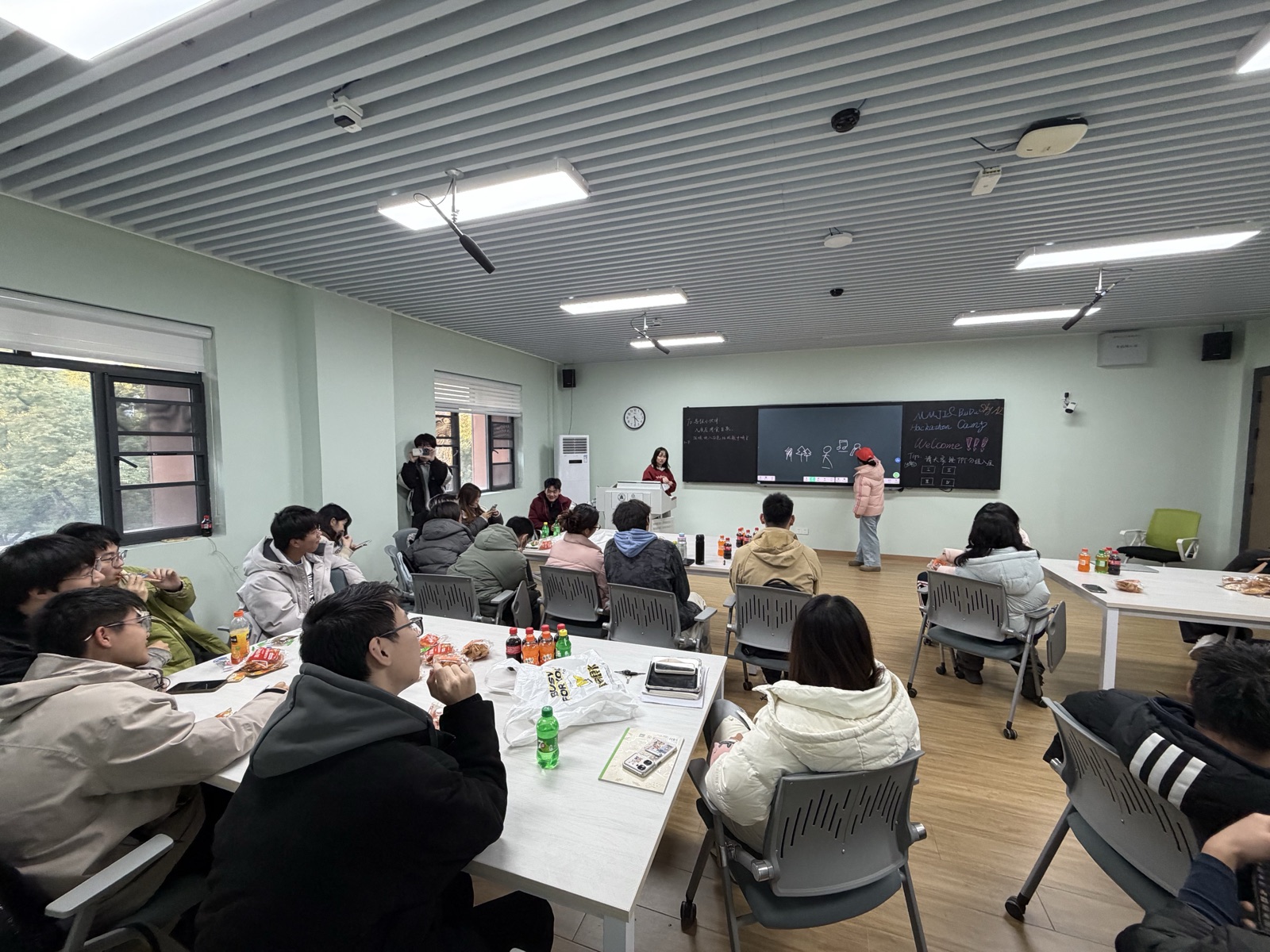
THREE DAYS OF MAKING
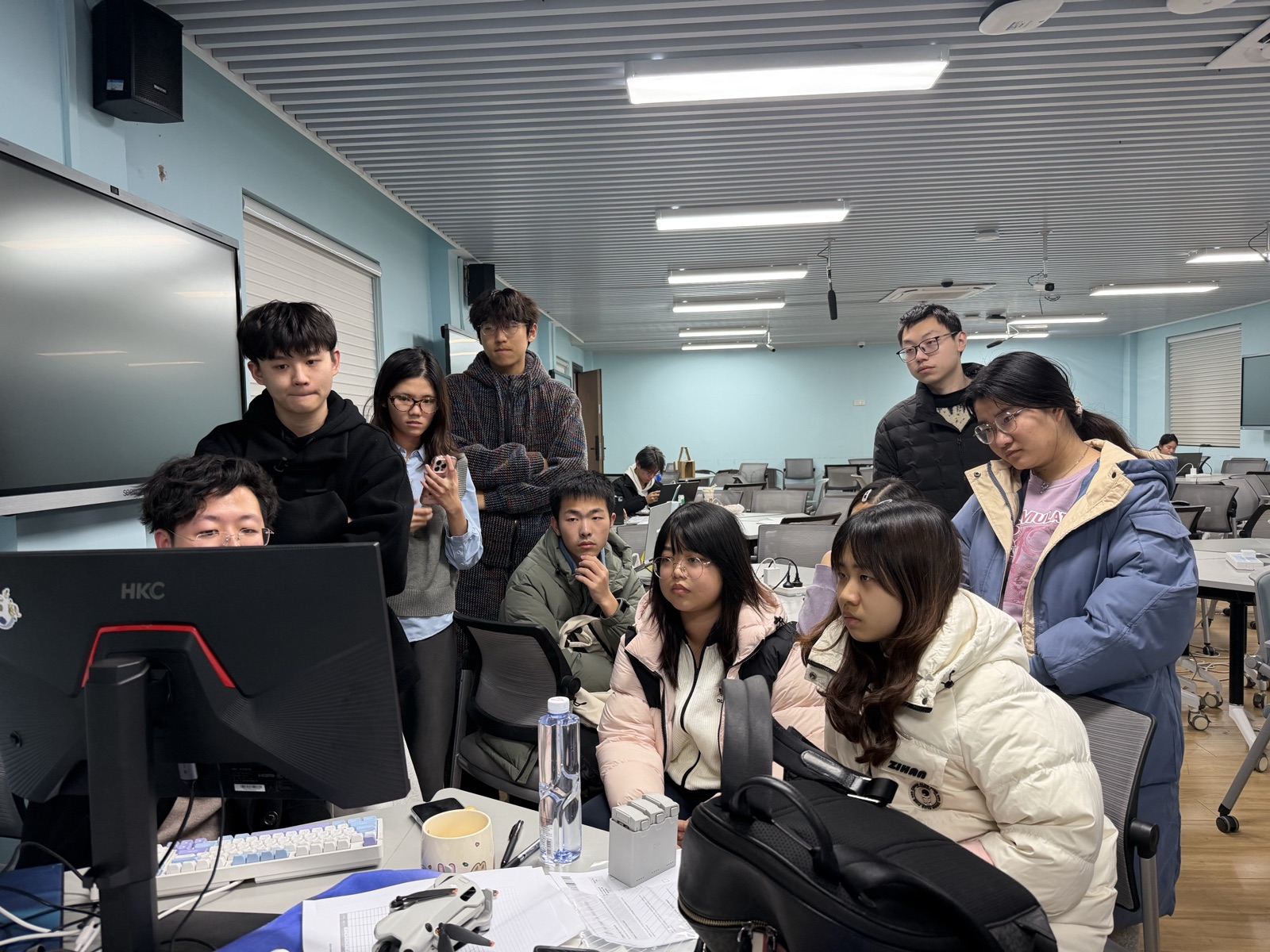
From topic selection and task planning to debugging code and preparing demonstrations, teams worked closely in one space. Problems prompted discussion; feedback led to another revision.
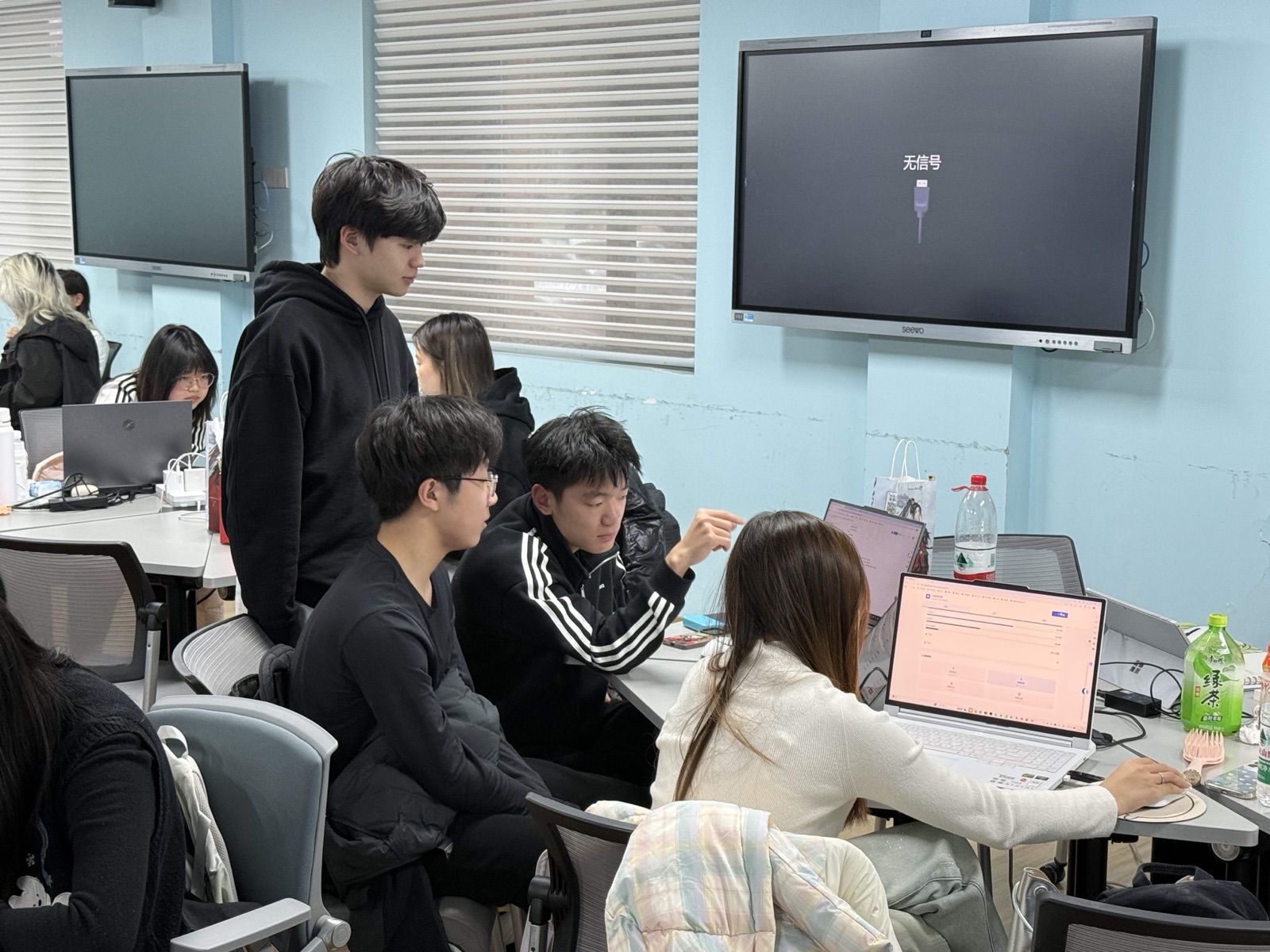
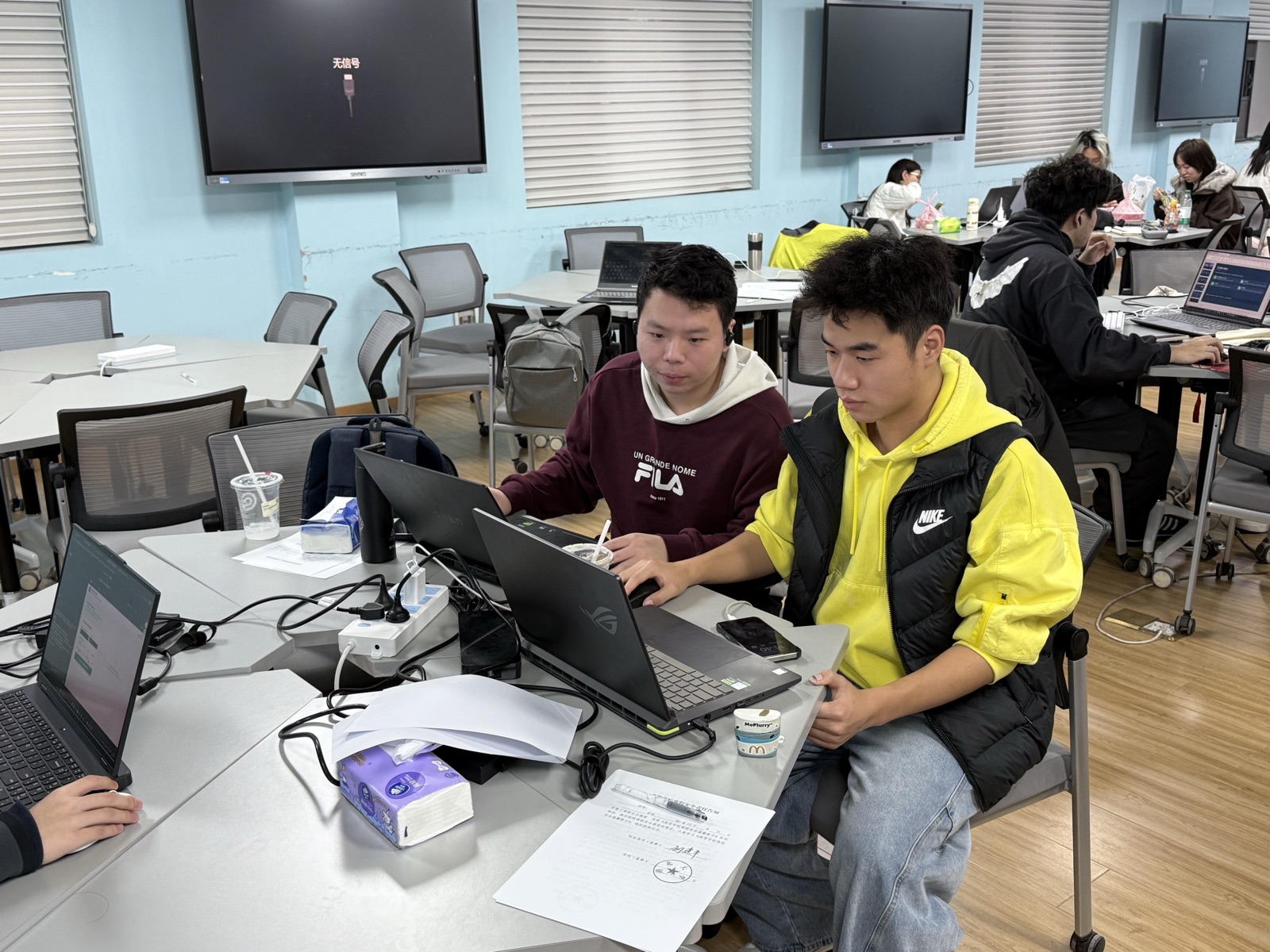
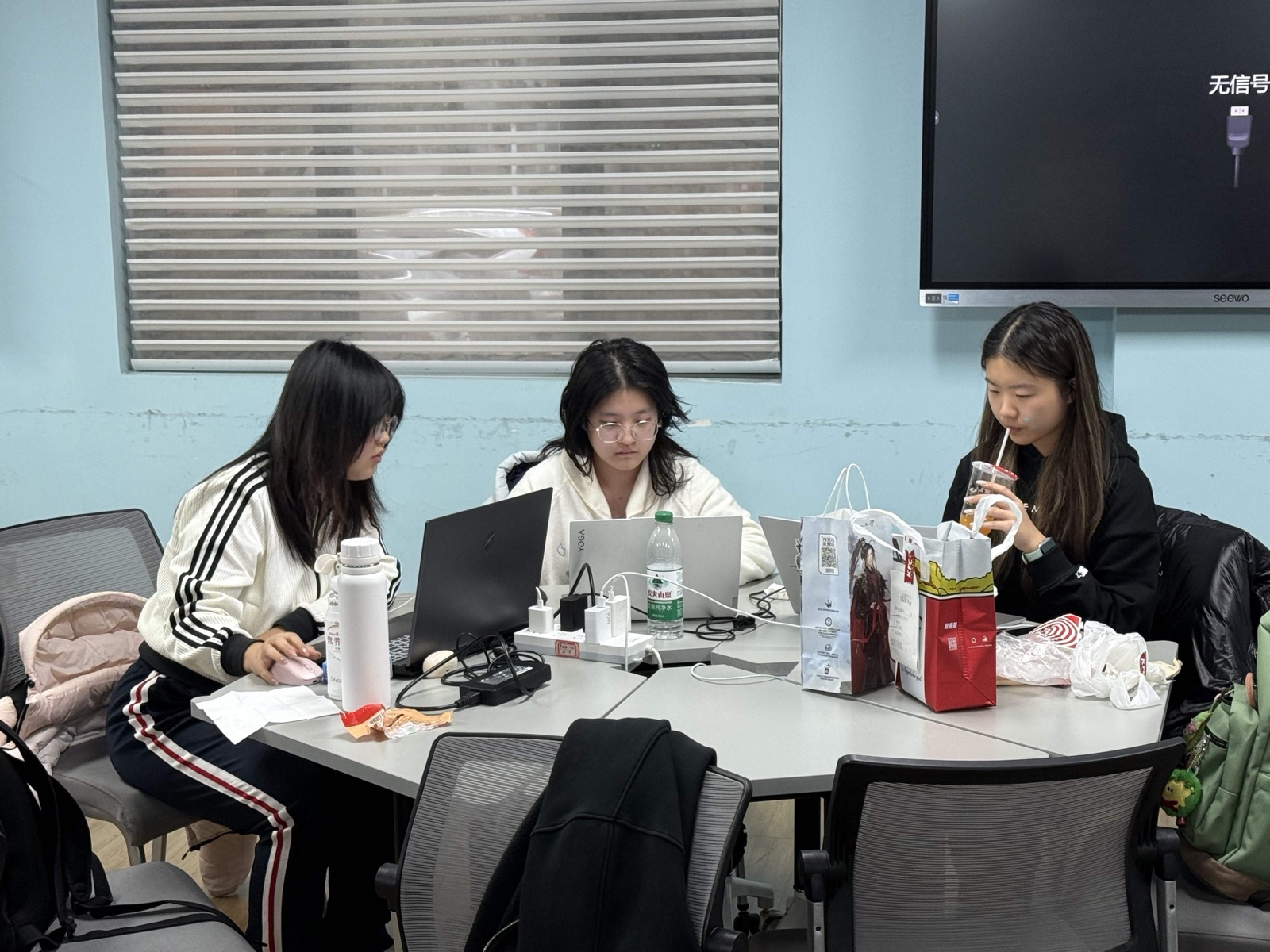
Narrow the topic to something that runs, can be explained and can be demonstrated. Make the core workflow work first.
Surface problems early and use the available time to refine features, explanations and implementation.
Responsibilities, communication and progress coordination shape the outcome and are part of the learning itself.
PROJECTS & RESULTS
Internal presentations and reviews took place on January 17. Projects covered aerial photography, drone inspection, campus services, data collaboration and low-altitude airspace management.
| Place | Project | Focus |
|---|---|---|
| 01 | Cloud Lens | Scenic-area aerial photography and AI video creation |
| 02 | SkyEye Delivery | Drone delivery |
| 03 | Wings Patrol | Oilfield pipeline inspection |
| 04 | Cloud Campus Patrol | Campus inspection and information services |
| 05 | Smart Building Facade Inspection Platform | Building facade inspection |
| 06 | Low-Altitude Dispatcher: The Urban Airspace Era | Low-altitude governance simulation game |
| 07 | DroneHub Cloud | Drone data collaboration |
| 08 | skycommand | Integrated low-altitude dispatch |
| 09 | WingGrid Inspection | Power-grid inspection |
| 10 | MMJI Beyond the Sky | Drone rental and resource sharing |
| 11 | Millisecond Drone Replanning | Path planning and obstacle avoidance |
Project names and places follow the internal ranking table; its emphasis on the top four is retained. Focus descriptions summarize the project names and meeting notes. These prototypes are not presented as deployed services.
View original ranking table ↗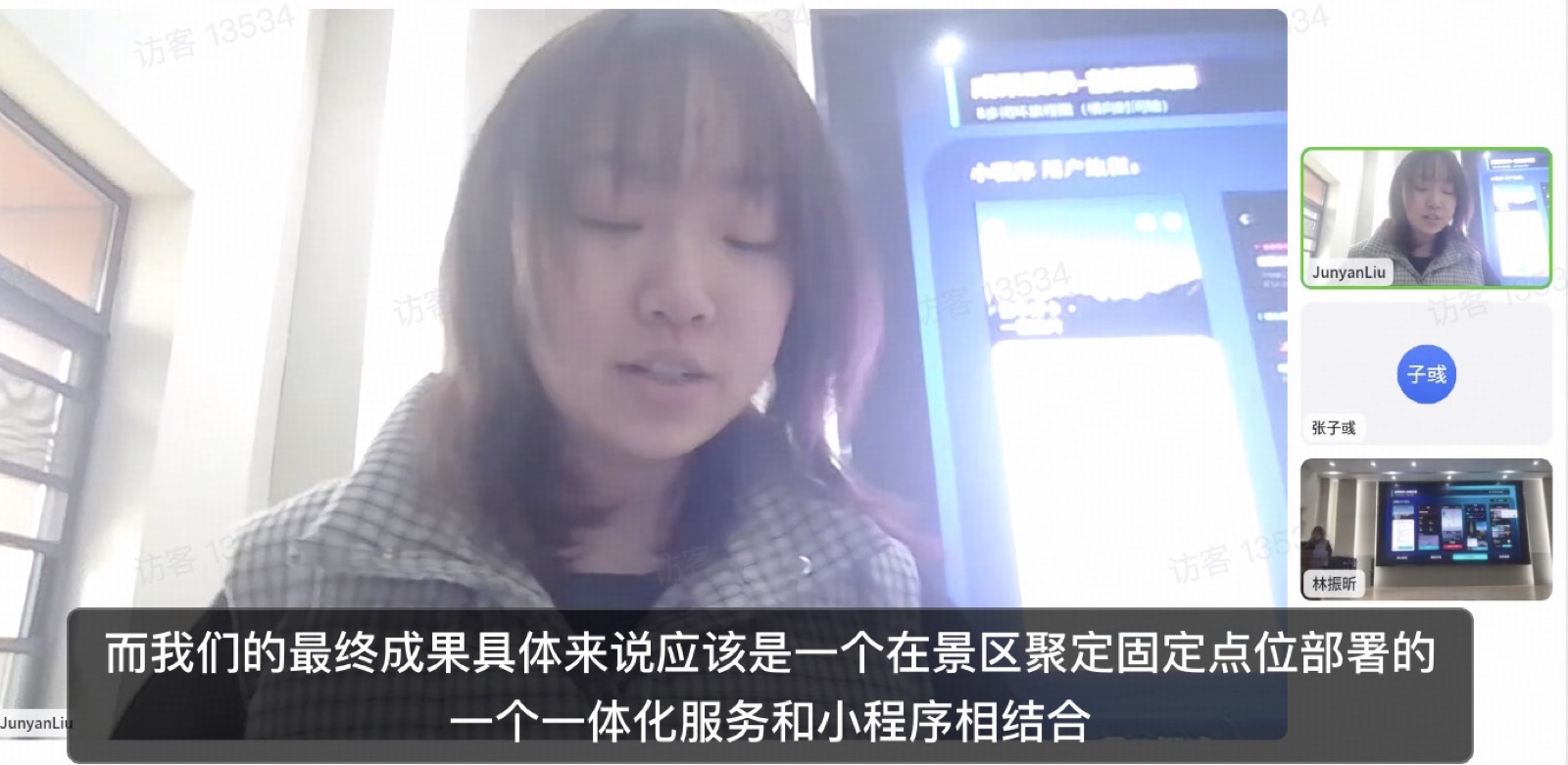
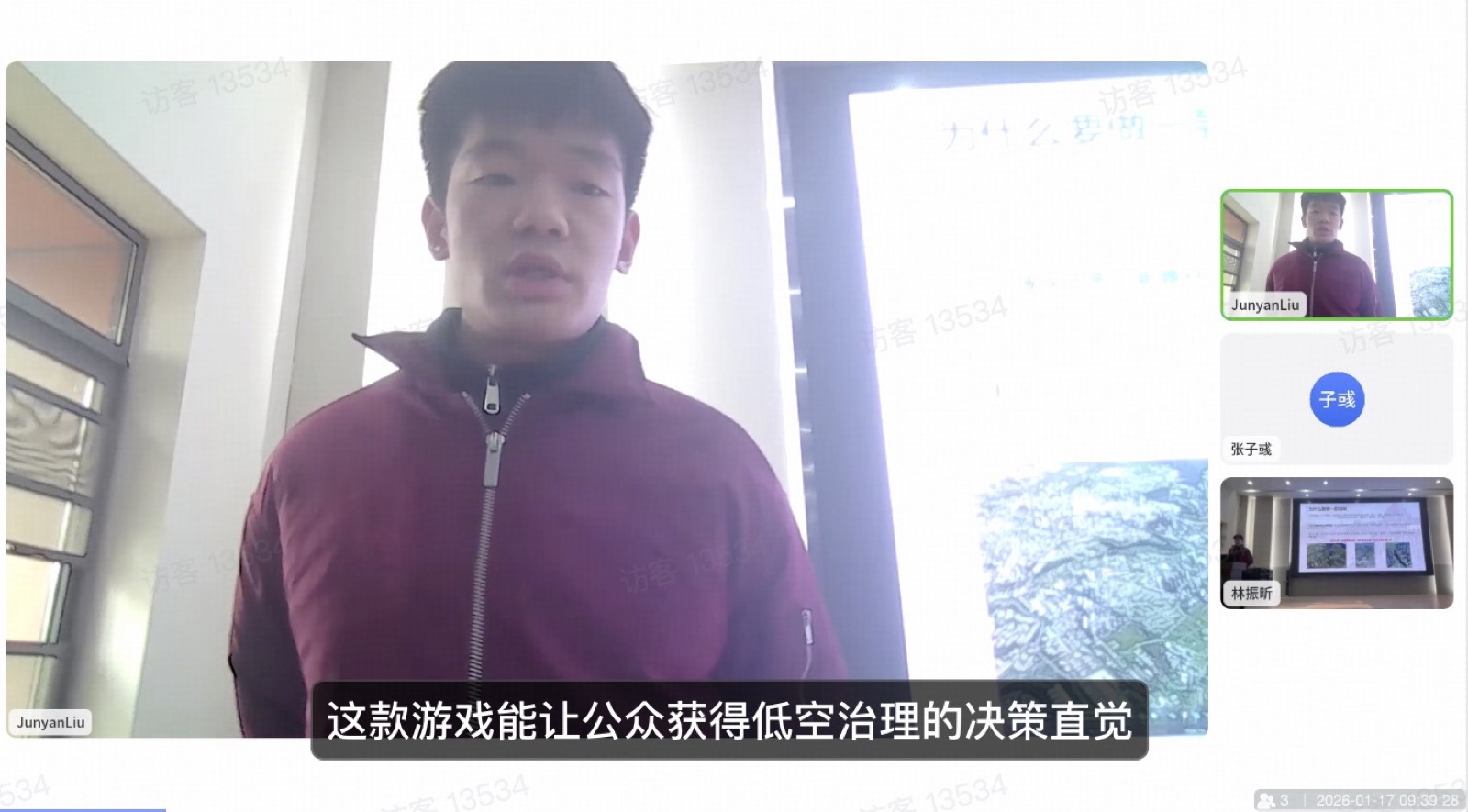
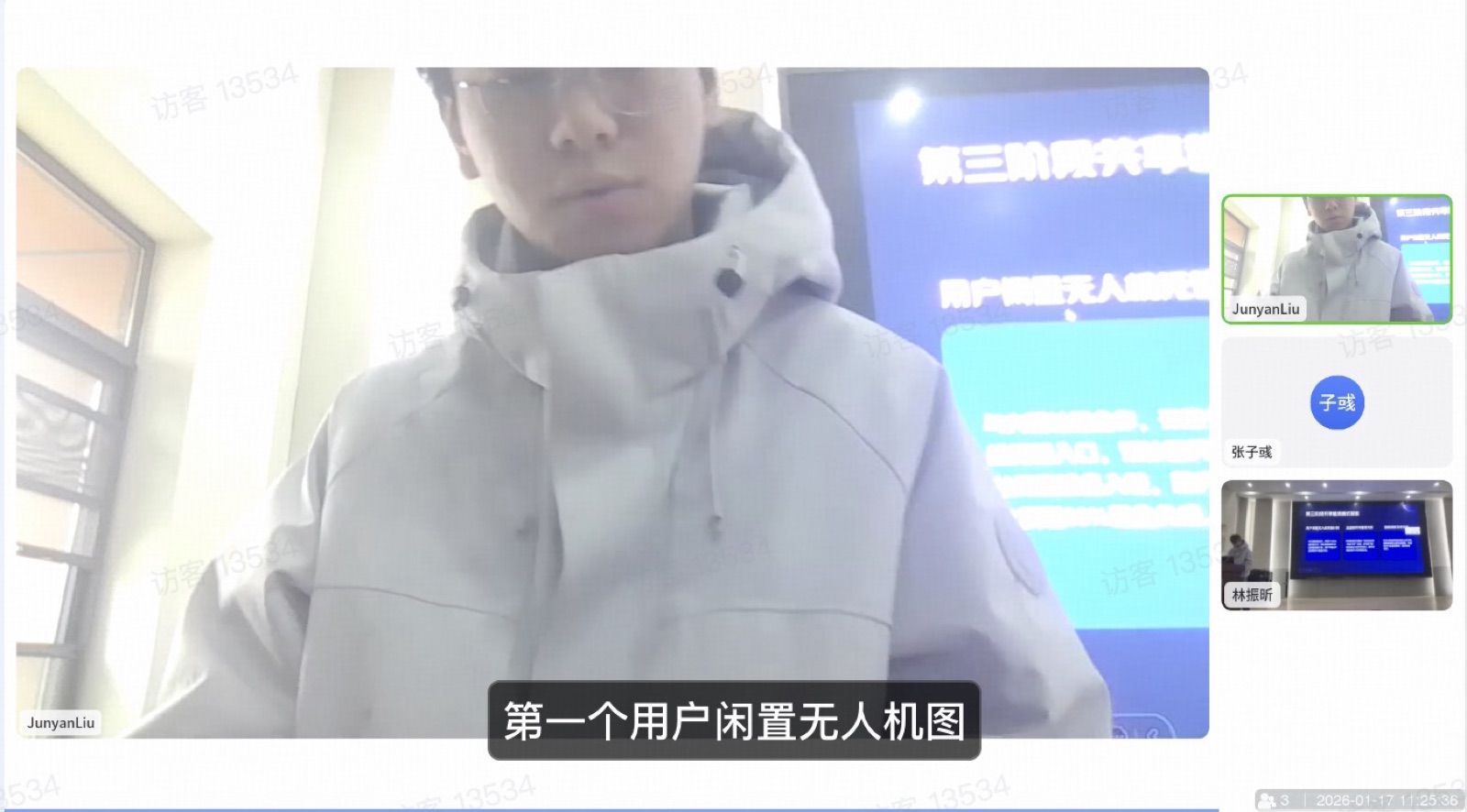
Frames are from internal competition recordings included in the final slide deck. See the meeting notes and full recording below for project explanations and feedback.
PRESENT, REFLECT, REFINE
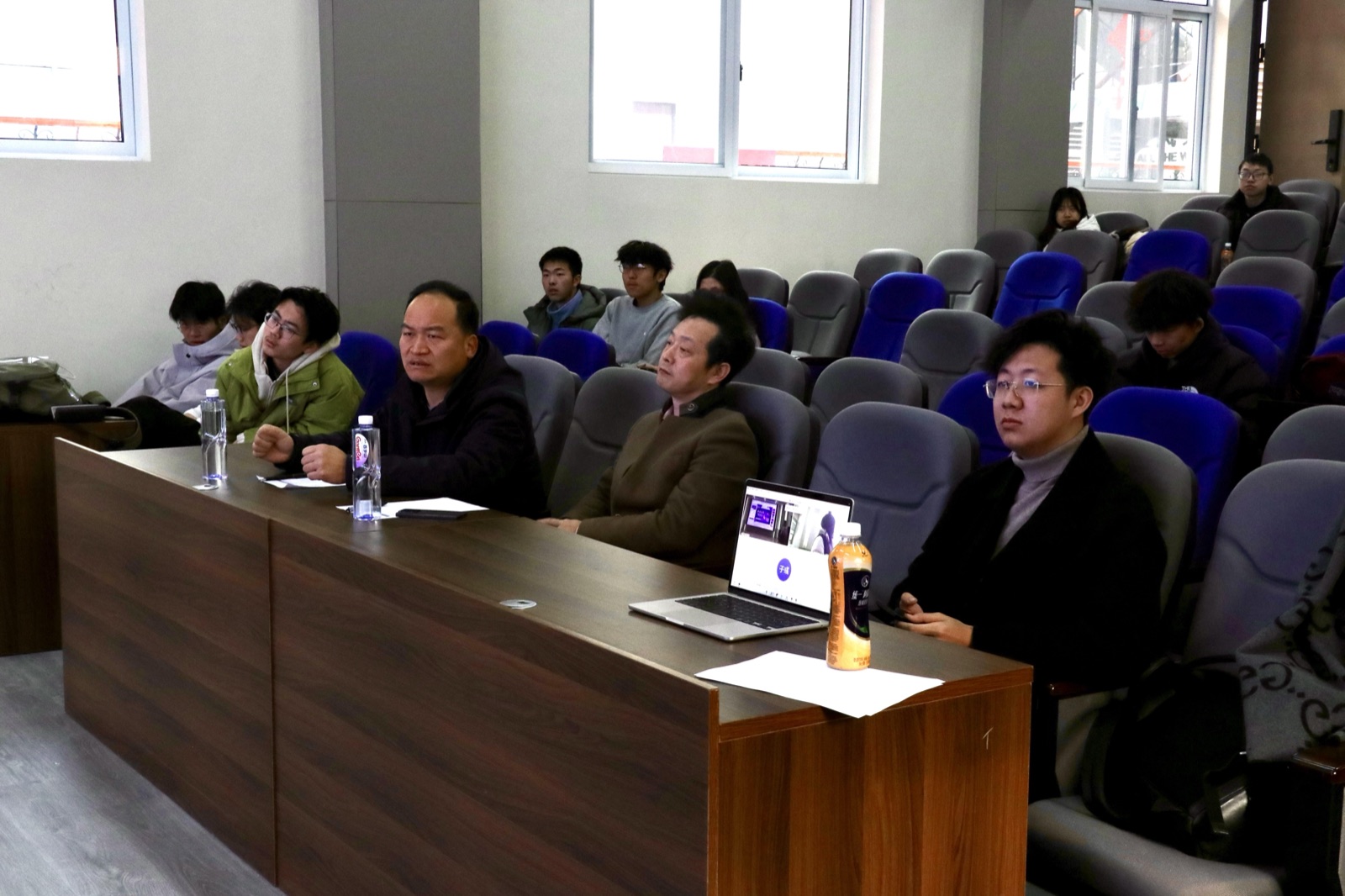
Following the January 17 internal presentations, teams continued focused discussions and revisions before the Institute's January 19 final review. On-site and remote feedback considered users, product flows, implementation requirements and business models.
CAMP ARCHIVE
Media reports, competition details, internal meeting notes and the full recording preserve the work and feedback, helping future members understand how a hackathon comes together.
Manchester Metropolitan Joint Institute · 20 Jan 2026 · A review of the wider UP Camp
Xinhua · 14 Jan 2026 · Opening lectures, industry mentoring and hackathon practice
Manchester Metropolitan Joint Institute · Baidu OPC × Agent Super Individual Challenge
January 17, 2026 · Projects, judges' feedback and next steps
Revisit demonstrations and discussions; access depends on Feishu permissions
This page covers the January 13, 2026 opening talks through the Institute's January 19 closing event; internal project presentations took place January 17. Dates follow the script, meeting notes and Institute report. Project content follows Zhenxin Lin's Third UP Camp presentation and the internal ranking table. Focus descriptions and feedback draw on AI-generated notes, which may contain transcription errors; the actual presentations are authoritative.