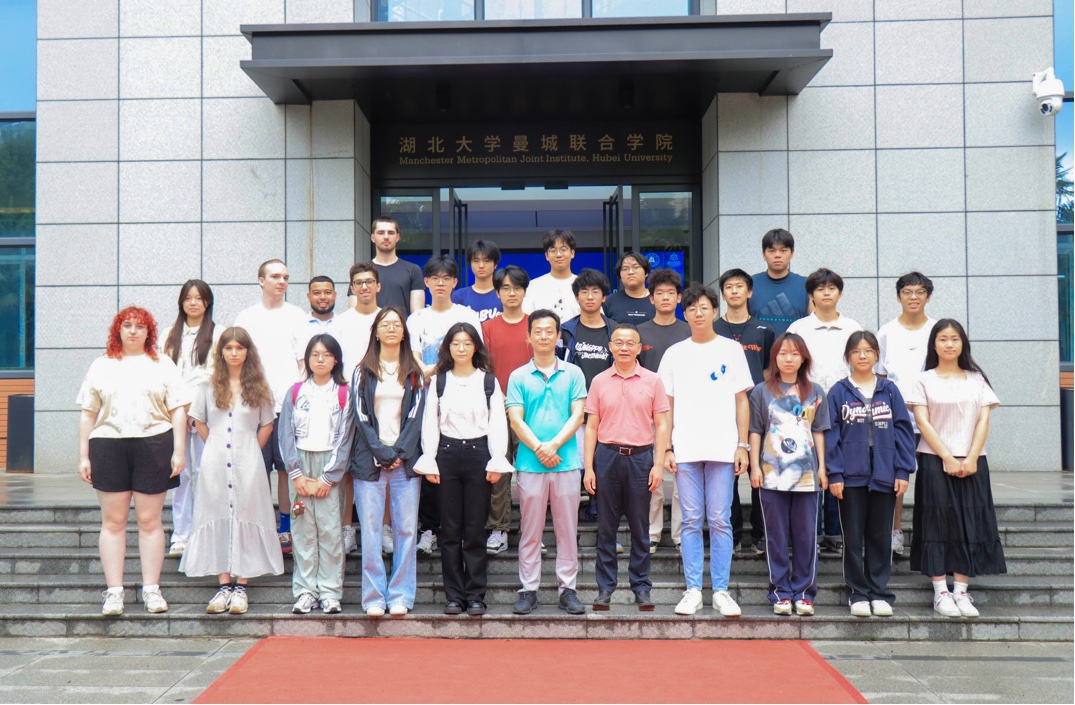
First Summer Camp · Students and teachers together
LEARNING TOGETHER
Collaborate across cultures. Learn through practice.
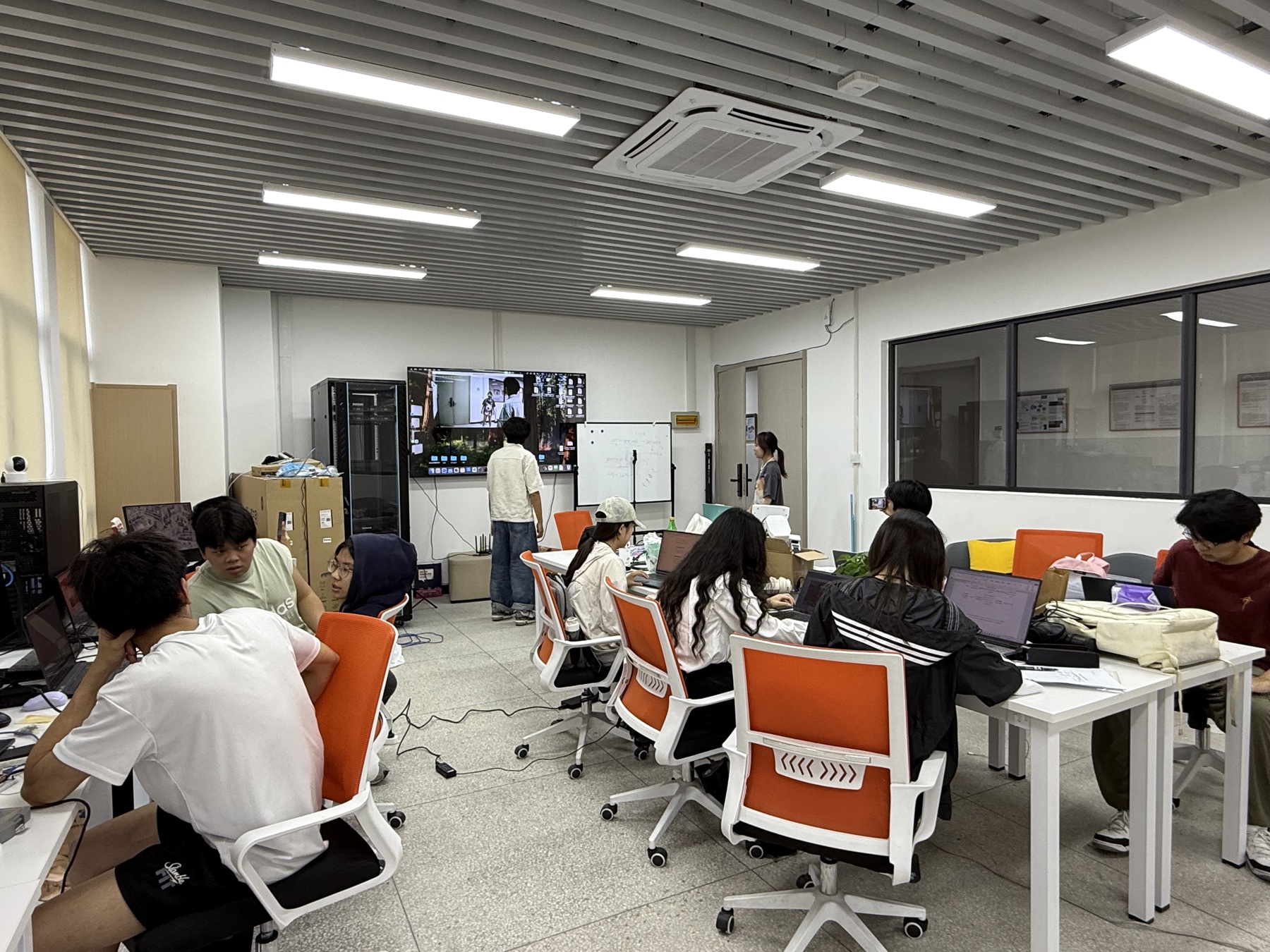
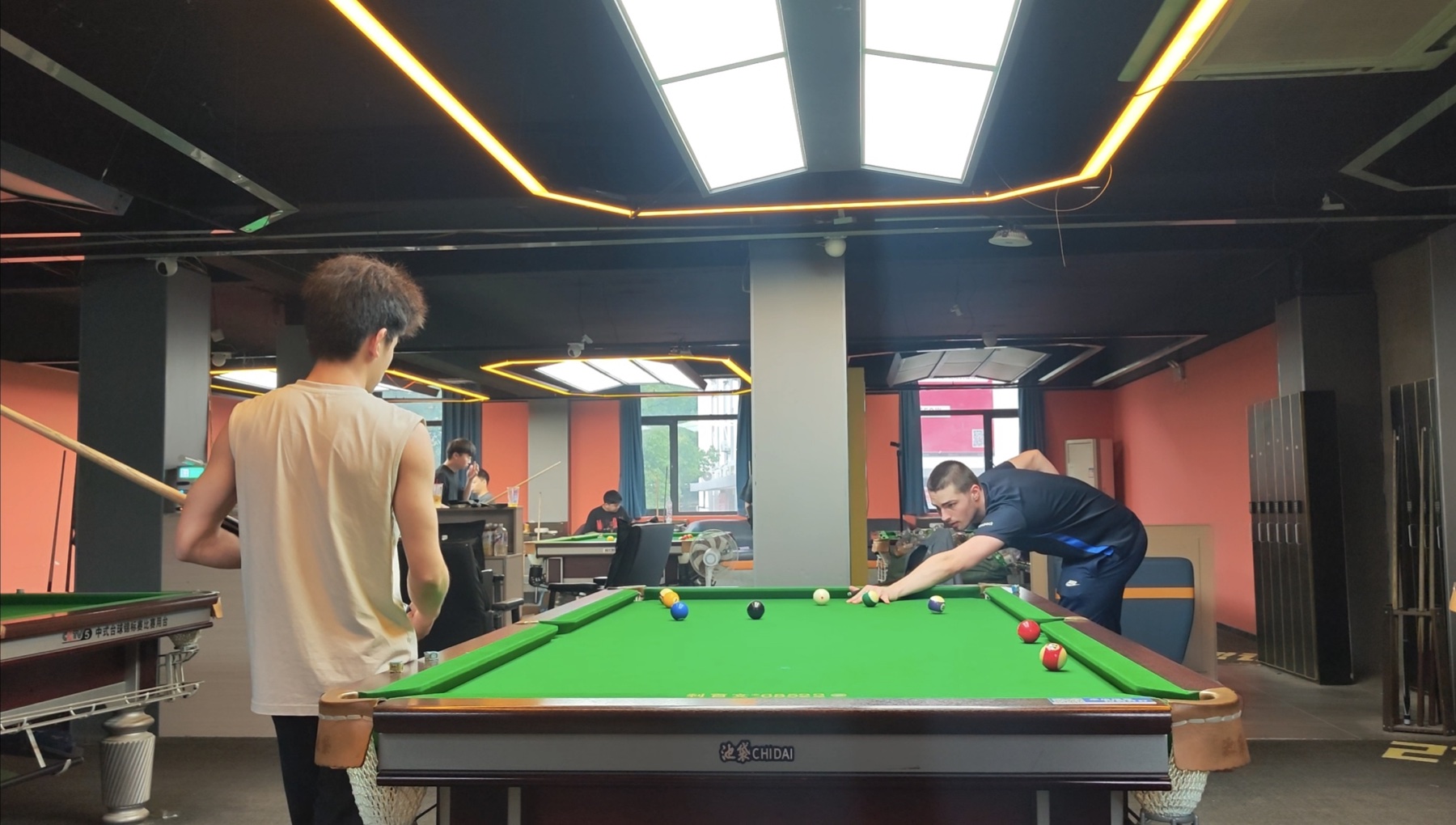
Discussing requirements, writing code, connecting hardware and presenting ideas. Two weeks of work around real campus settings also created opportunities to connect beyond the classroom.
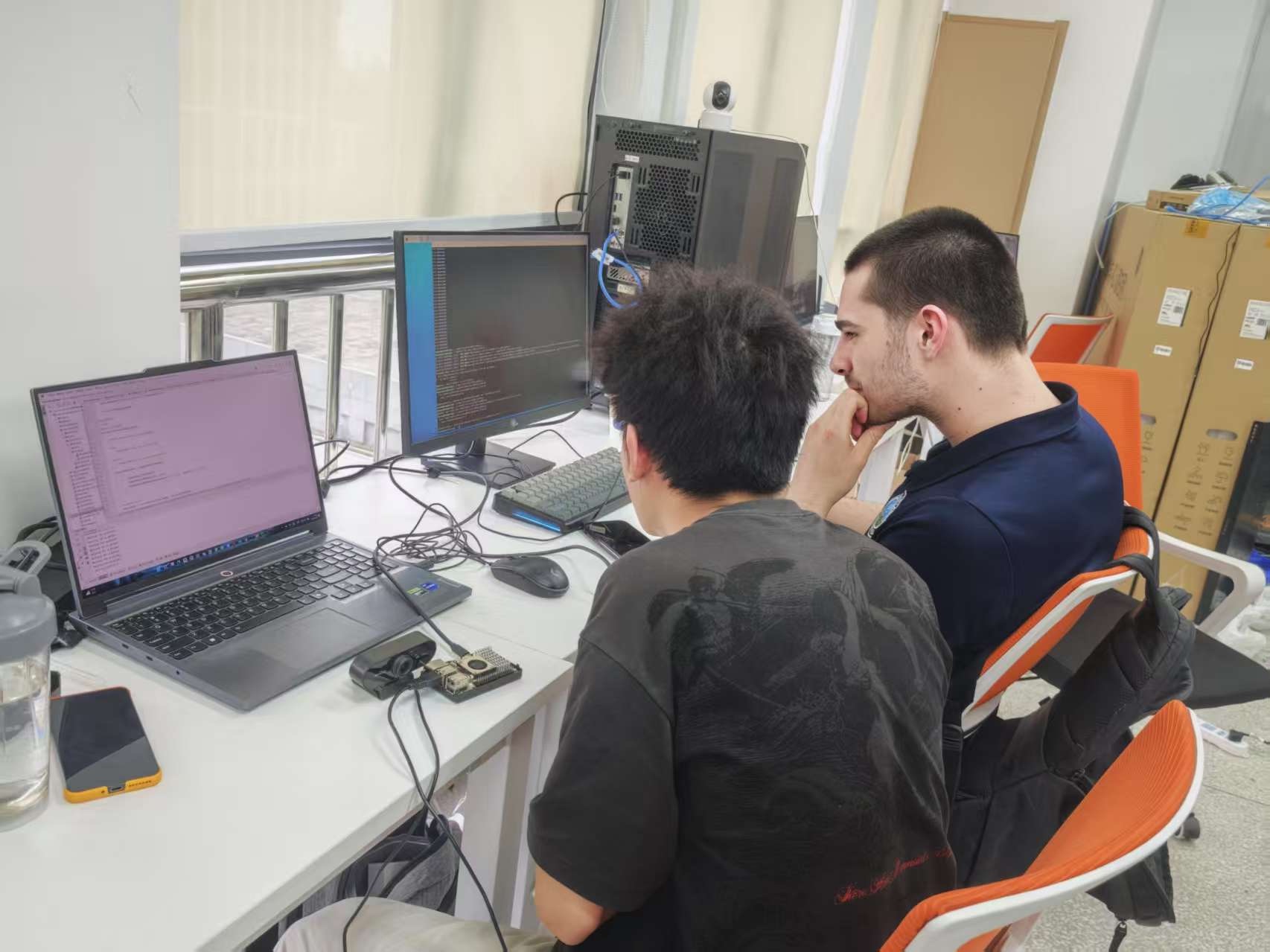
Fig. 02
Developing side by side · Discussion and debugging
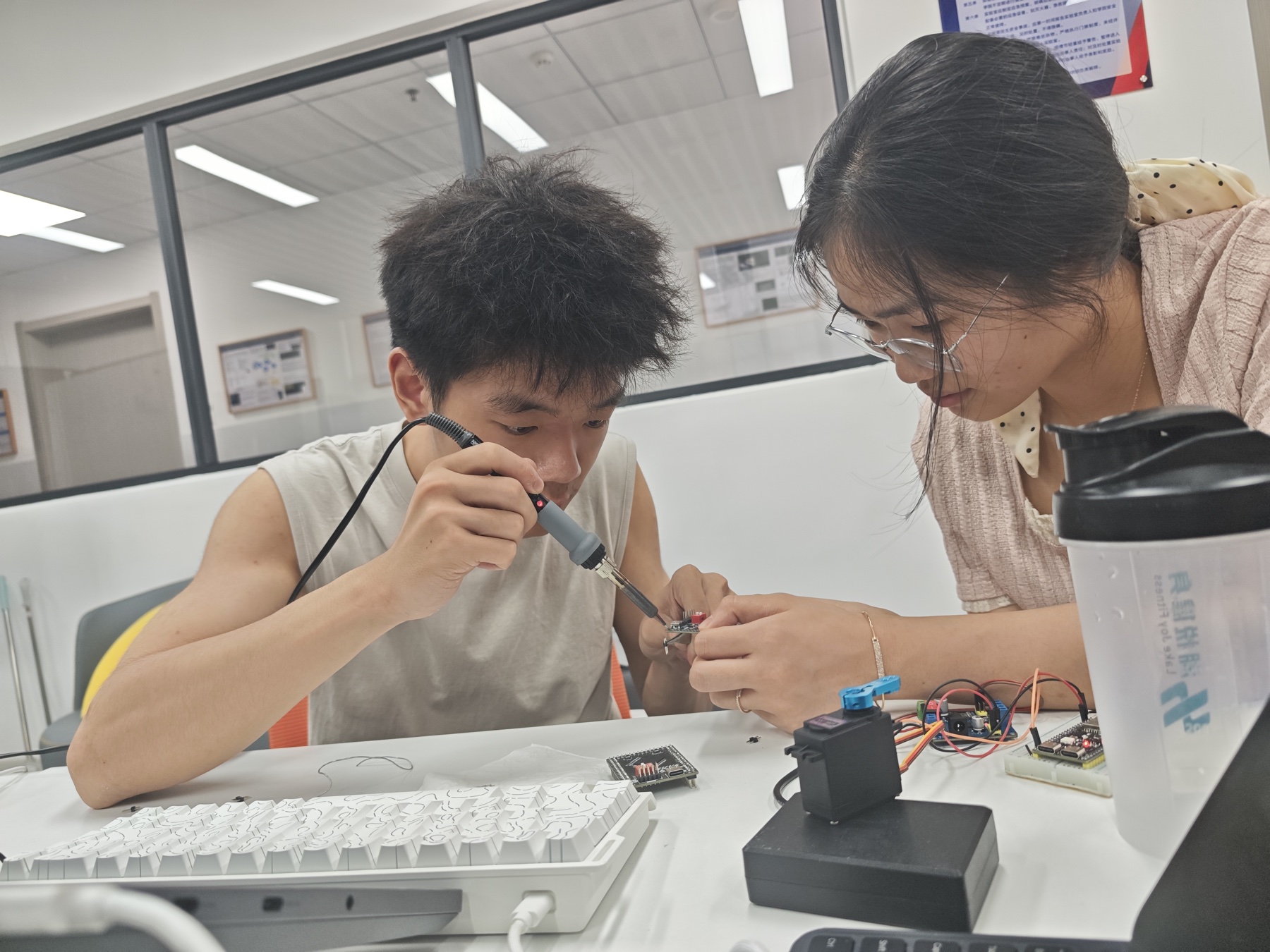
Fig. 03
Hardware practice · Connecting sensors to the project
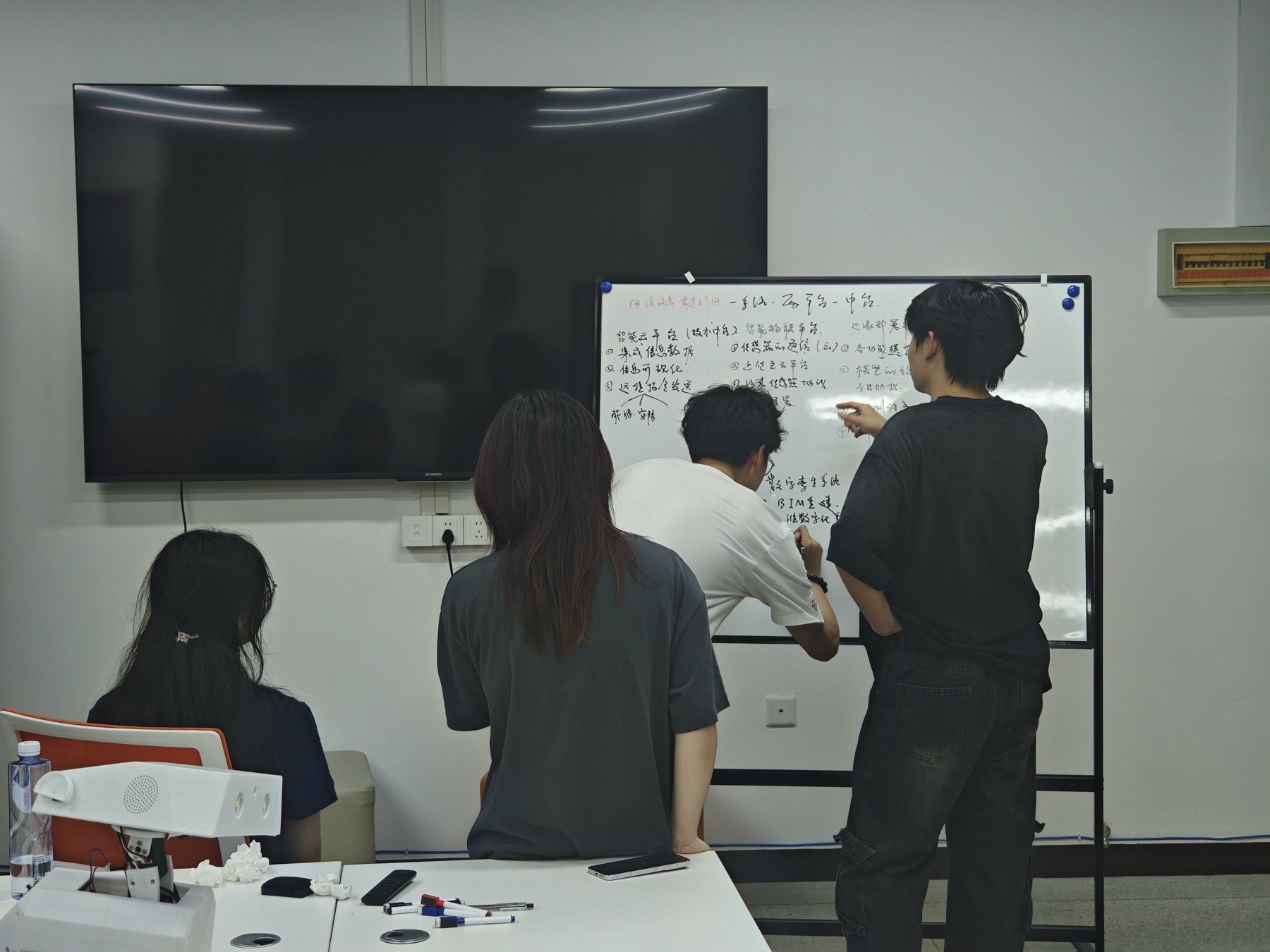
Fig. 04
Planning together · Scenarios, features and technical responsibilities
Fig. 05
Group collaboration · Sharing progress in a common workspace
More moments together +
Fig. 06
Beyond the classroom · Connecting through shared activities
WISDOMSCAPE MMJI
Connect one building as a complete system.
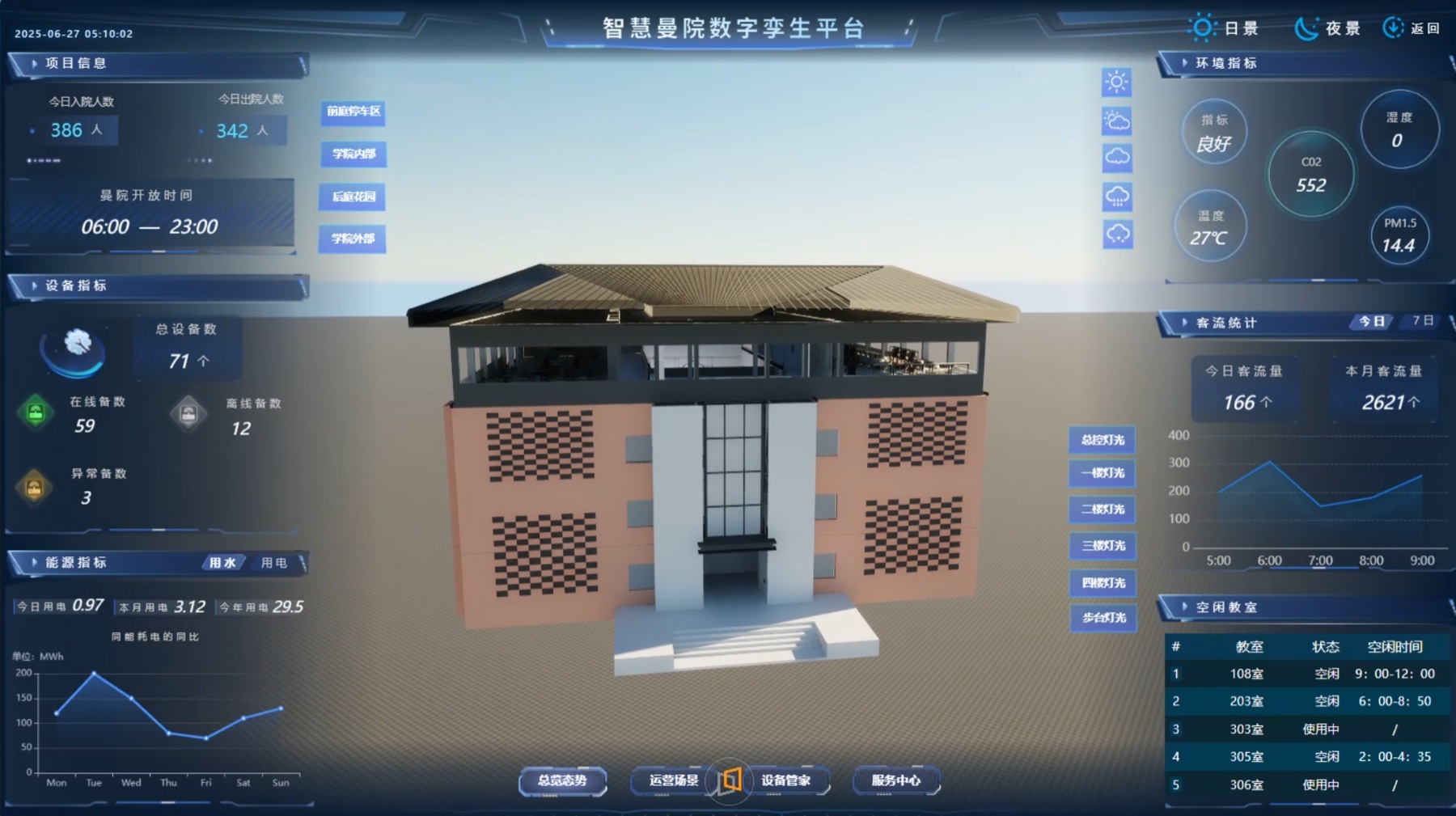
WisdomScape was the camp's smart-campus project, integrating BIM and IoT. A 3D building model provides the spatial foundation, a data platform connects services, sensors gather on-site information, and AI explores campus applications.
Digital-twin interface · Final presentation screenshot; values reflect the demonstration
DIGITAL TWIN
Rebuild a familiar space
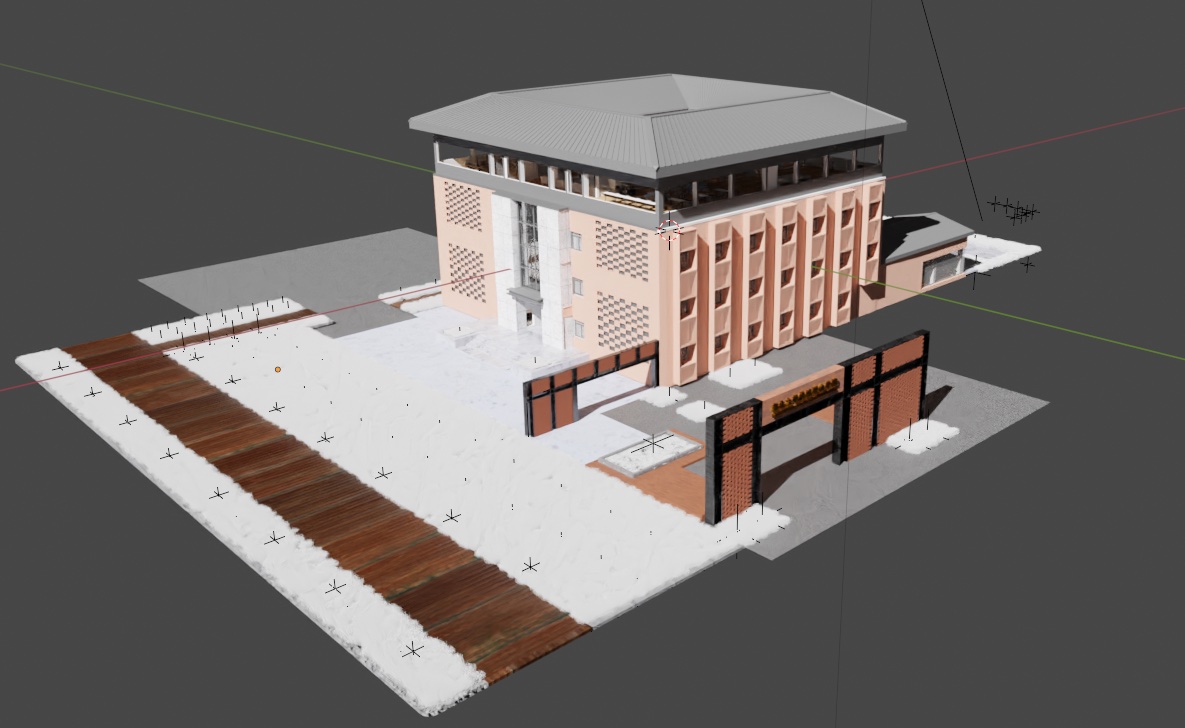
Using on-site observations and architectural plans, the team manually modeled the teaching building, including its exterior, floors and interiors. The model provides a foundation for digital-twin displays and future AR / VR applications.
Fig. 08
Building exterior · Complete 3D model
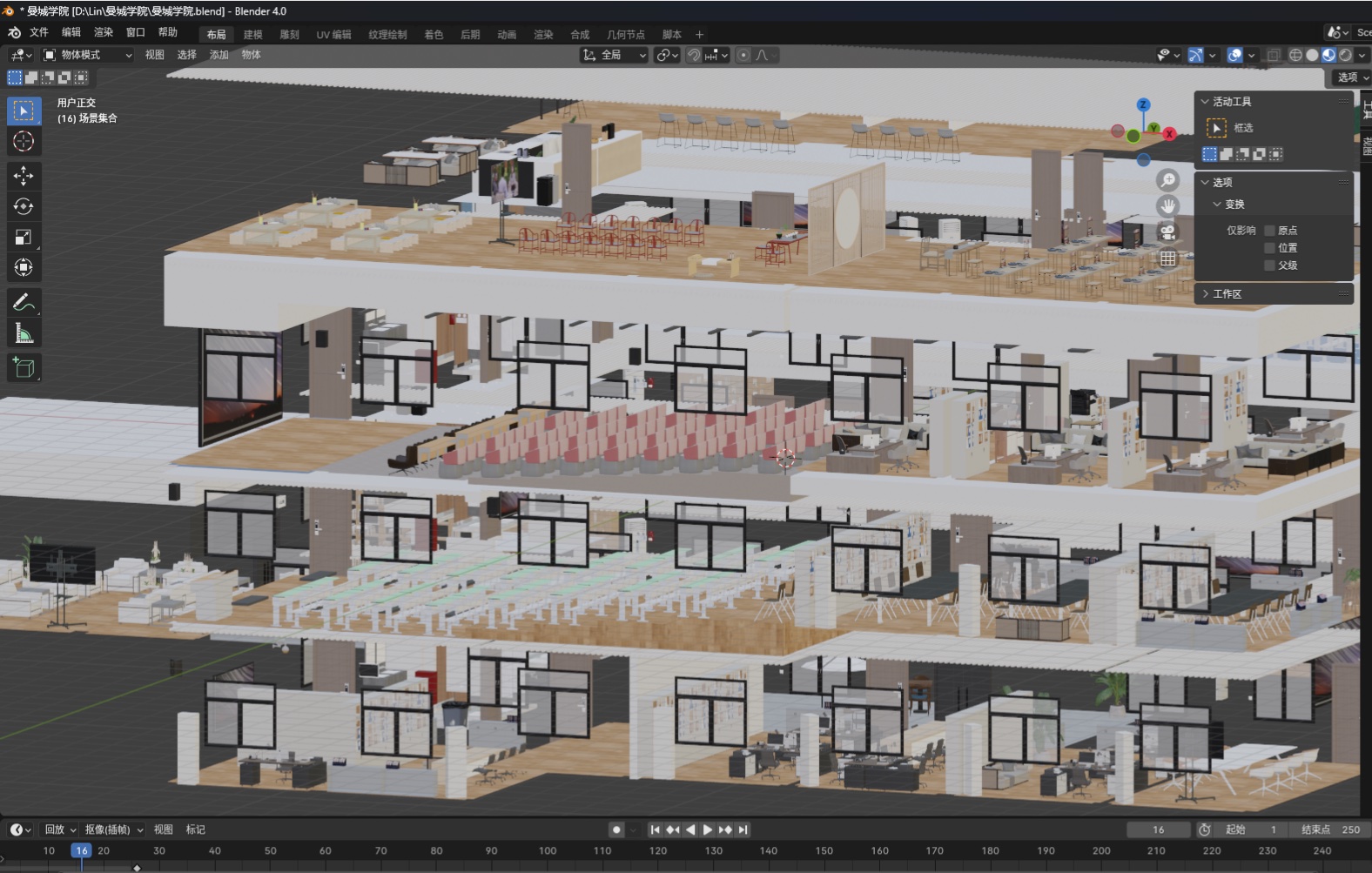
Fig. 09
Floor structure · Multiple levels and interior layouts
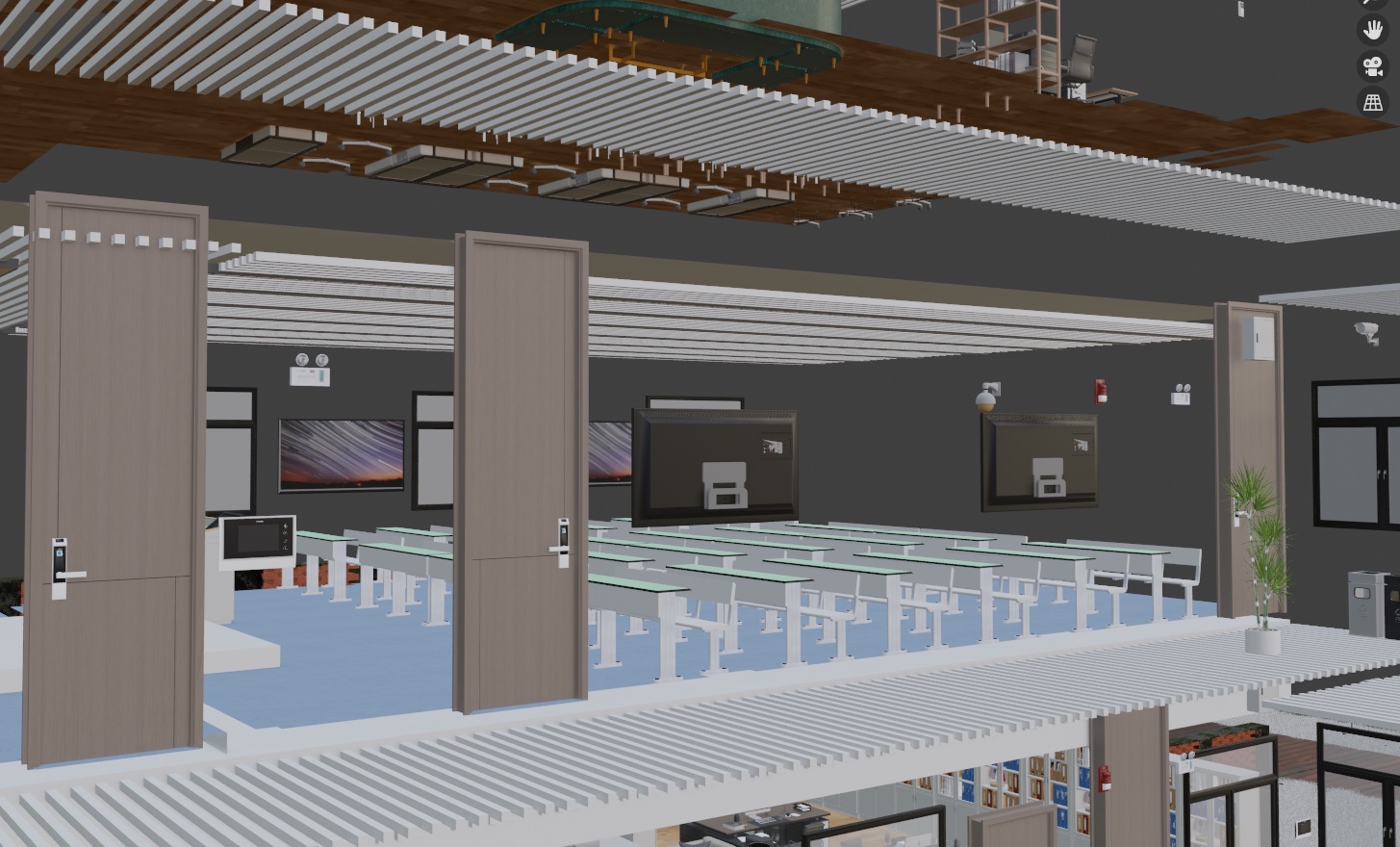
Fig. 10
Interior details · Reading-area model
DATACORE
A data platform connecting the subsystems.
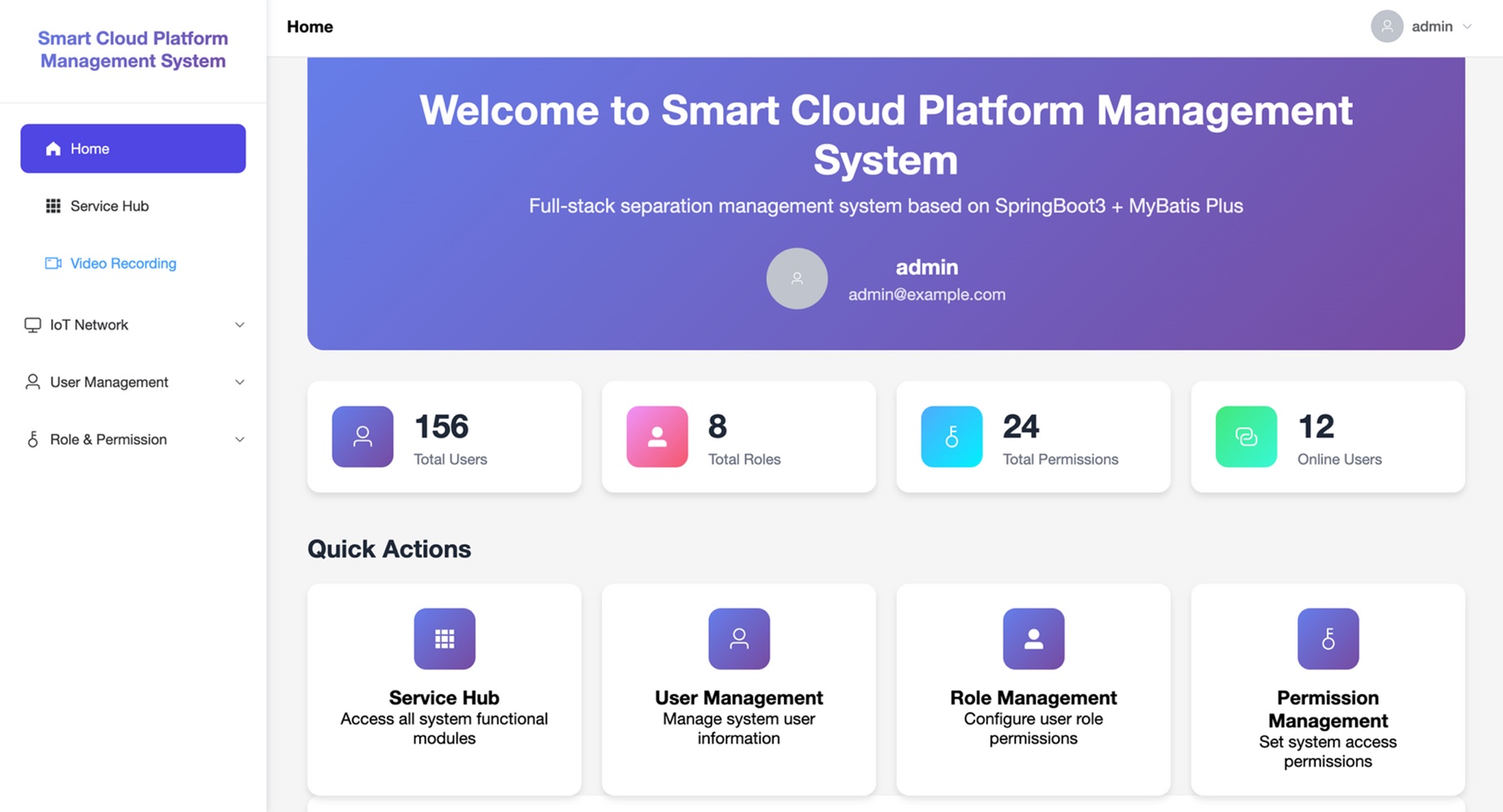
The frontend and backend organize shared analytics and services with distinct access for students, teachers and administrators. Spring Boot, Vue 3, TypeScript and MySQL connect campus services and device data.
View the technology stack +
Backend: Spring Boot, JWT Frontend: Vue 3, TypeScript, ECharts Database: MySQL, MyBatis-Plus IoT and messaging: MQTT, Kafka
Fig. 11
DataCore · Services, users and role-based permissions
IOTP
Connect sensors. Understand the physical environment.
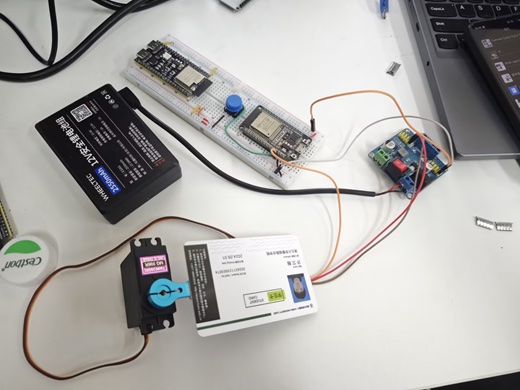
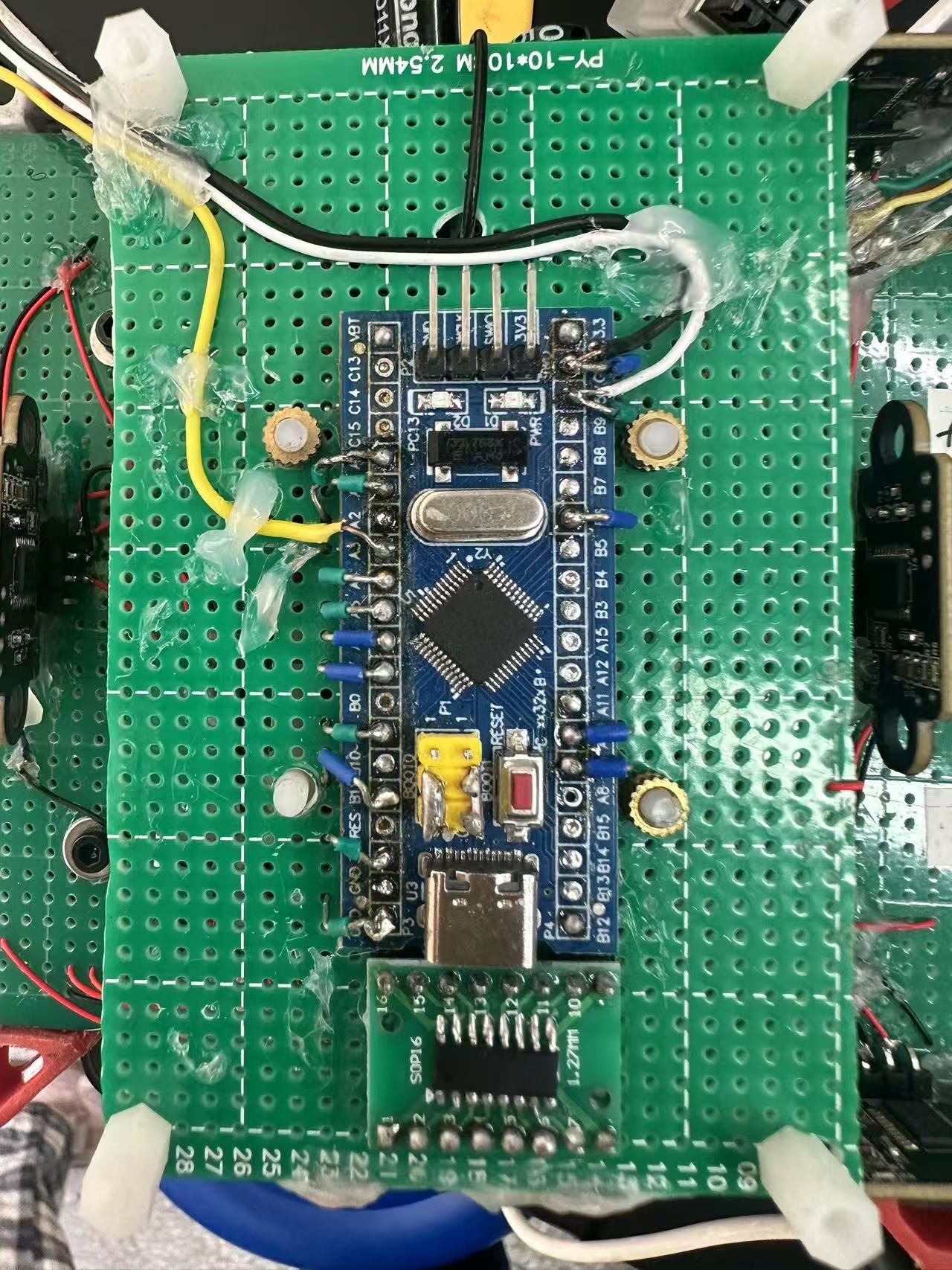
The IoT platform links sensing, networking and applications, using environmental data such as temperature and humidity. By the final presentation, a small number of sensing nodes had been deployed as a pilot in ground-floor classroom 108.
Expansion throughout the building was a future plan in the presentation.
Fig. 12
Sensor network · Connecting and testing devices
Fig. 13
Building nodes · Hardware prototype
AIEDGE
Bring AI into everyday campus settings.
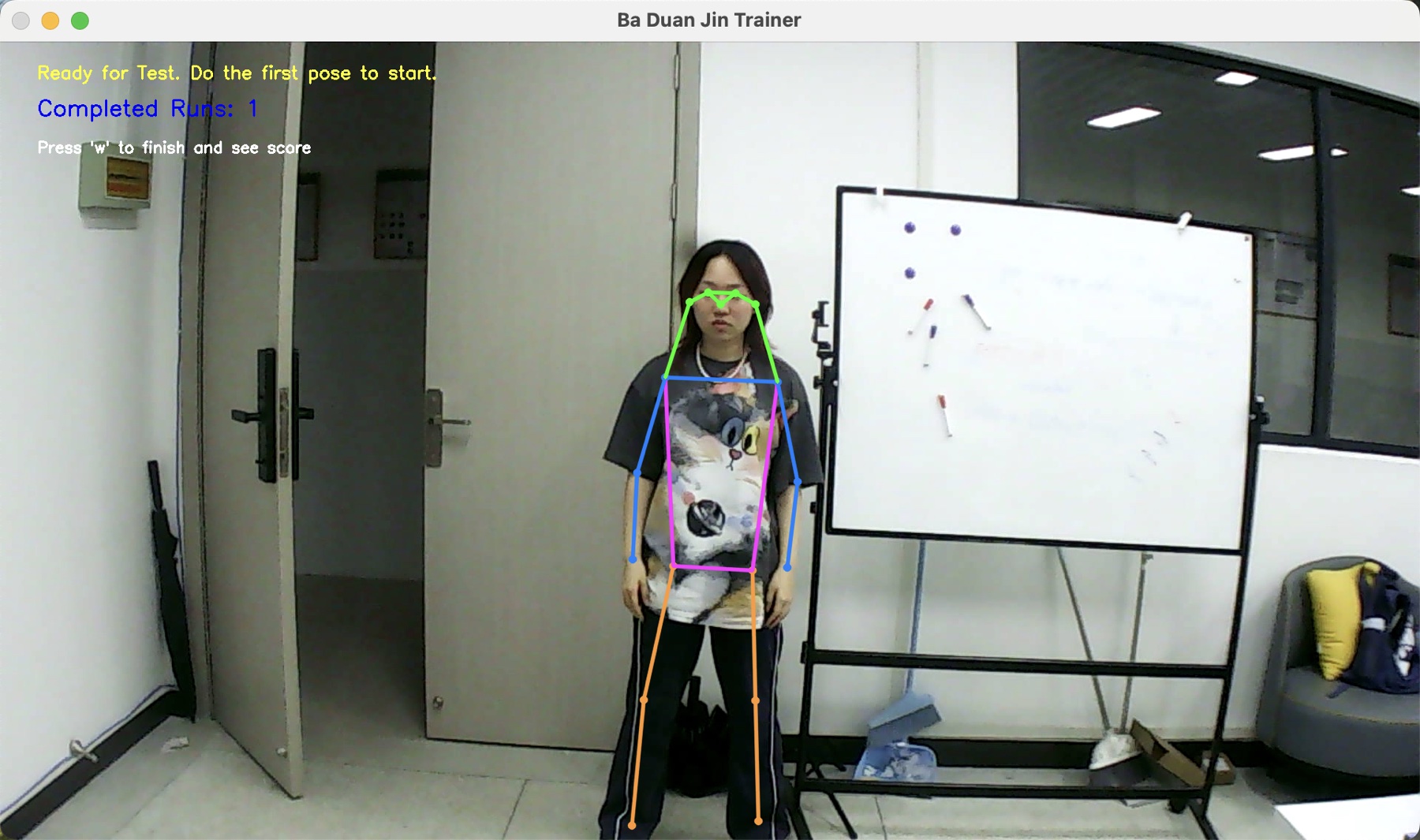
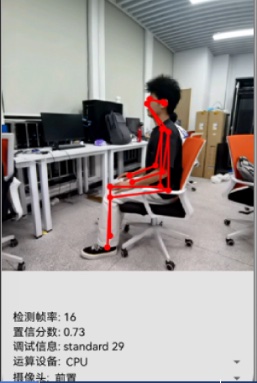
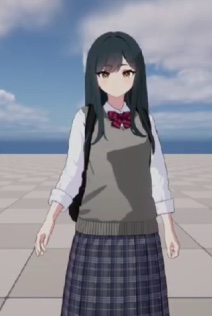
The presentation recorded nine AI model outcomes, including sitting-posture detection, fall detection, attendance, a Baduanjin exercise coach and the Manman digital human. These images show selected demonstrations and prototypes.
Fig. 14
Baduanjin smart coach · Movement recognition demonstration
Movement recognition & interaction
Computer vision models track body keypoints during exercises. Classroom demonstrations explored ways AI could assist everyday campus life.
The feedback shown belongs to the project demonstration. Deployment to edge devices remained a post-camp plan.
Fig. 15
Sitting-posture detection · Classroom prototype
Fig. 16
Manman digital human · Interaction character
Directions for further exploration
From environmental sensing to visual recognition and digital-human interaction, the project organizes models around campus services and explores integration with the Institute's edge devices.
CAMP RECORD
Activity details
Activity
First Summer Camp
Dates
June 16–27, 2025
Venue
Hubei University · Wuhan
Project
WisdomScape MMJI BIM-IoT Campus Digital Twin and Smart Management System
Subprojects
DataCore · Data analytics and services platform IoTP · IoT connectivity and operations platform AIEdge · Edge intelligence and automation platform
Reports are in Chinese. Select a title to read the original.
Content and images come from Zhenxin Lin's summer camp final presentation. Photographs and screenshots preserve the original activity and project record. Select an image to enlarge it.