

AQUACLAW · 2026
Second Academic Summer Camp
Starting with water circulation, Chinese and British students brought aquascaping, sensing and software together in one aquarium, designing, assembling and debugging a prototype for intelligent water management.
–Academic project practice · Manchester Metropolitan Joint Institute, Hubei University
Explore the programme ↓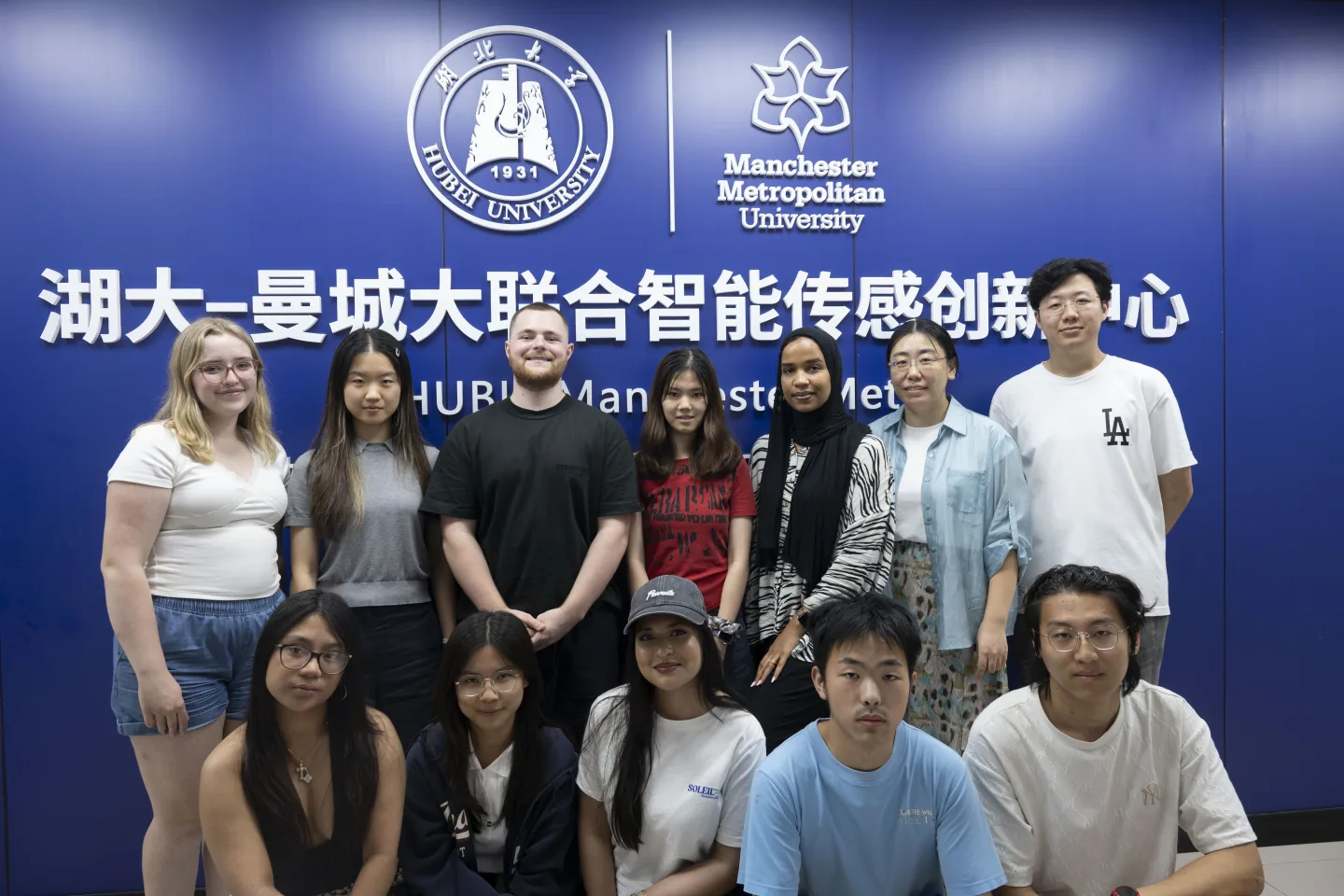
Academic practice and cultural exchange
The academic camp was part of “Smart Yangtze · Greywater Reborn: Intelligent Recycling for a Sustainable Future”. The full summer school ran from 15 June to 11 July, with team formation, project practice and the outcomes presentation scheduled for 22 June to 3 July.
- 06.15–06.21
Orientation and cultural activities
Orientation, a welcome ceremony, Chinese language and Jingchu culture sessions, museum and Yellow Crane Tower visits, and Dragon Boat Festival activities.
- 06.22–07.02
Team formation and project work
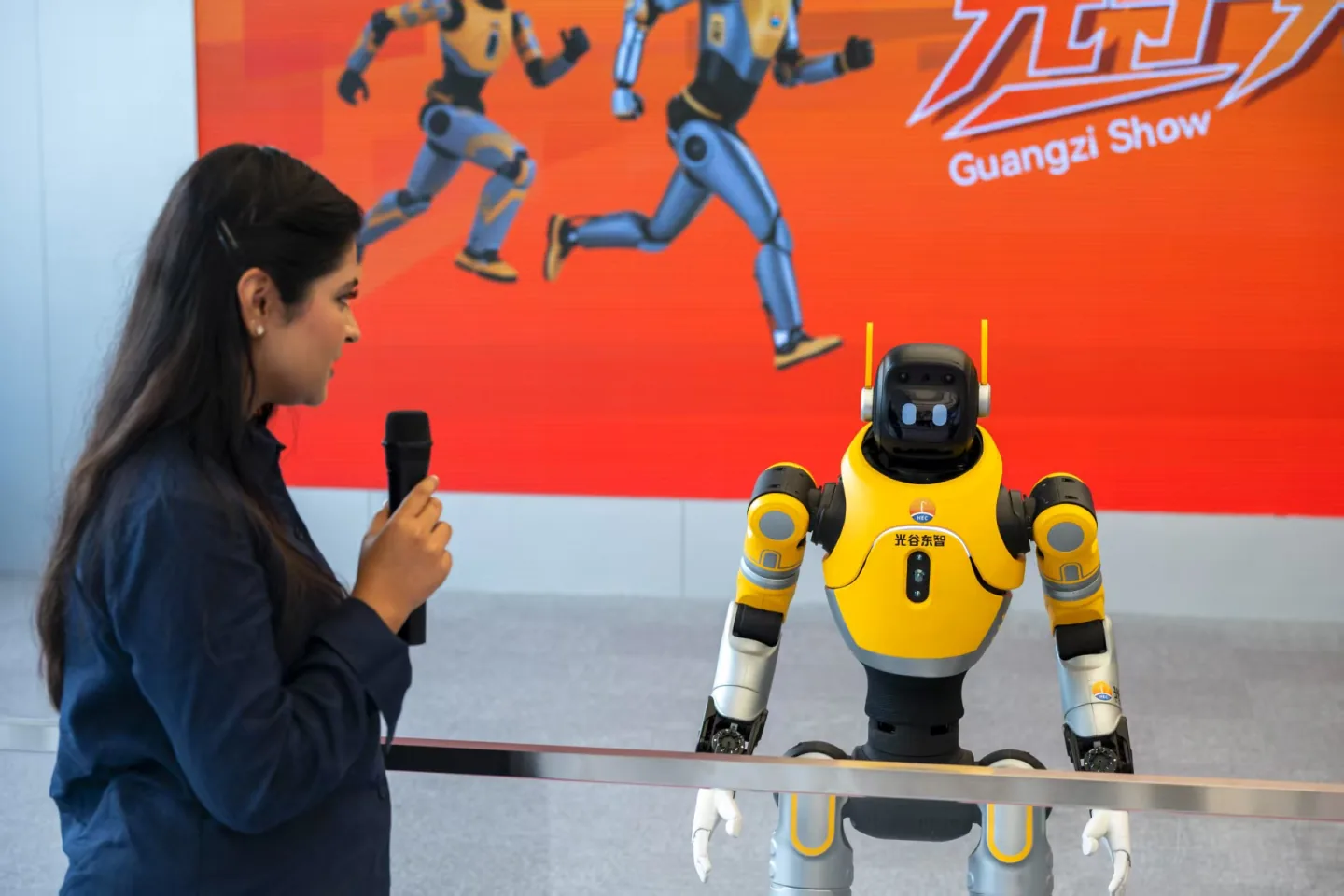
Project presentations and team formation began on 22 June. Practice focused on greywater treatment and intelligent water management, alongside scheduled visits to Wuhan Water Group, a high-speed rail simulator and a humanoid robotics innovation centre.
- 07.03
Project outcomes presentation
Project work continued in the morning, followed by the Greywater Renewal Project Outcomes Presentation in the afternoon.
- 07.04–07.11
Cultural visits and summer school closing
Cultural visits to Enshi, Xuan’en and Yichang were scheduled for 4–9 July. The programme concluded with a UK–China youth dialogue and closing presentations on 11 July.
Dates follow the programme booklet. The project presentation and the closing of the full summer school were separate milestones.
An aquarium that senses and responds
AquaClaw addresses difficult water management, frequent maintenance and exposed equipment by bringing concealed filtration, water sensing and device control together in an engineering prototype.
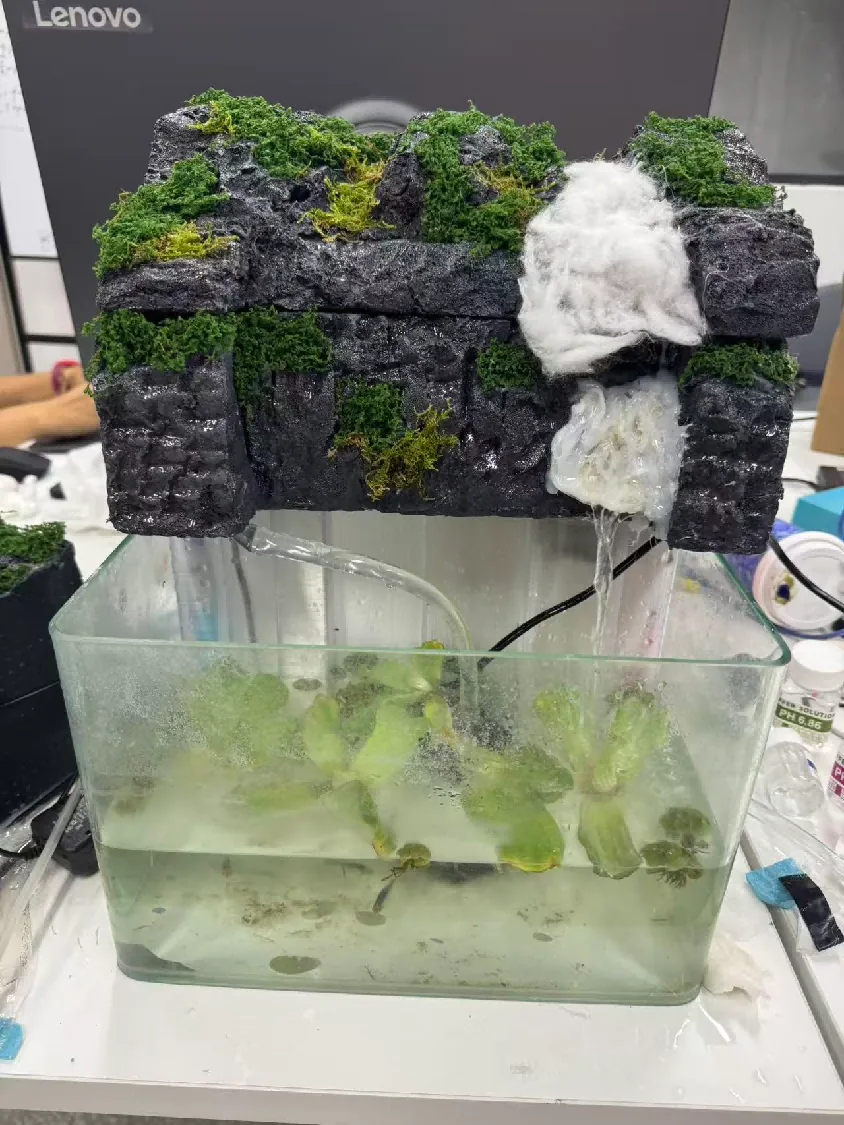
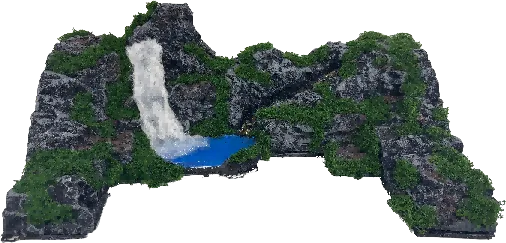
Circulation behind the landscape
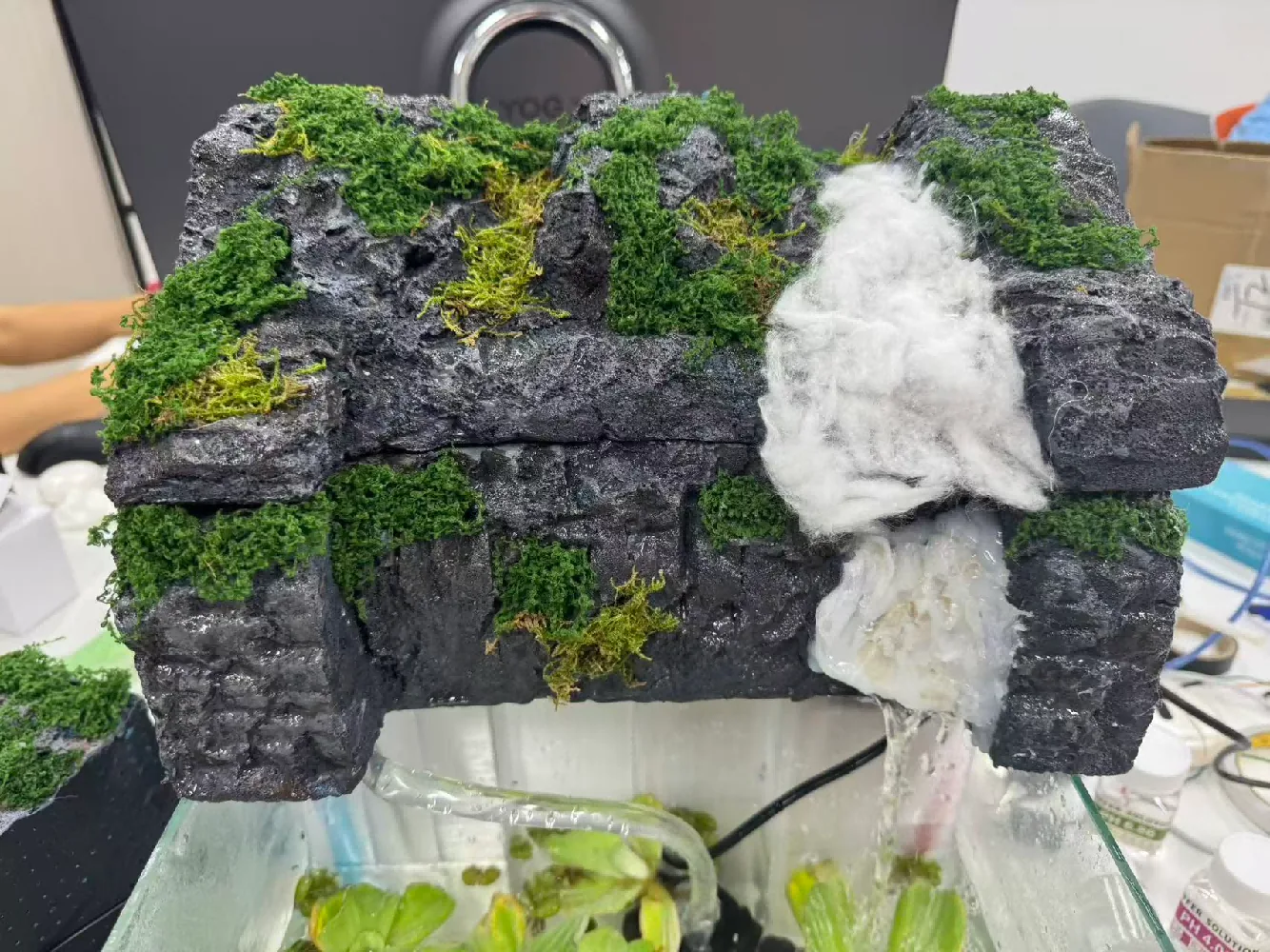
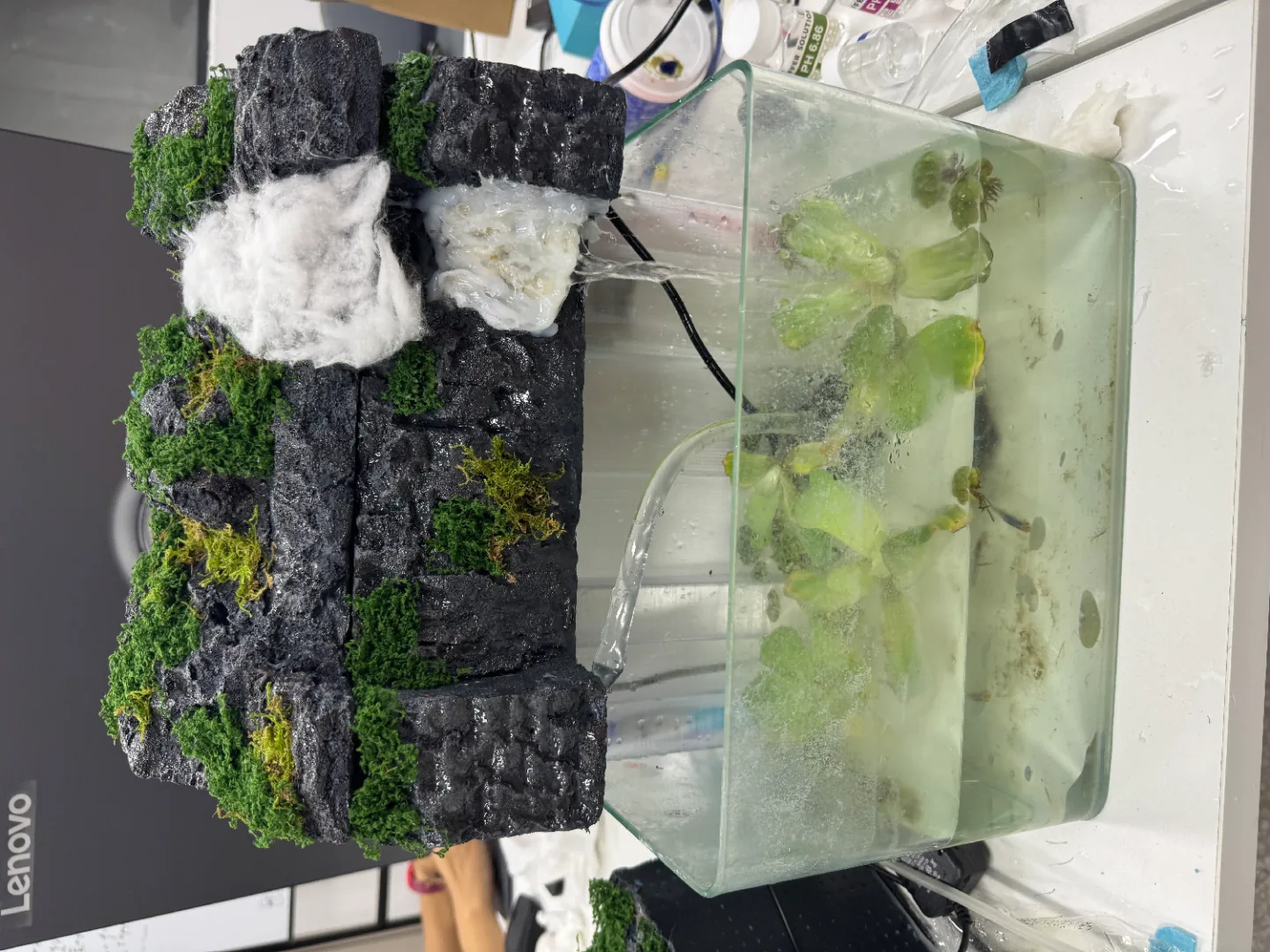
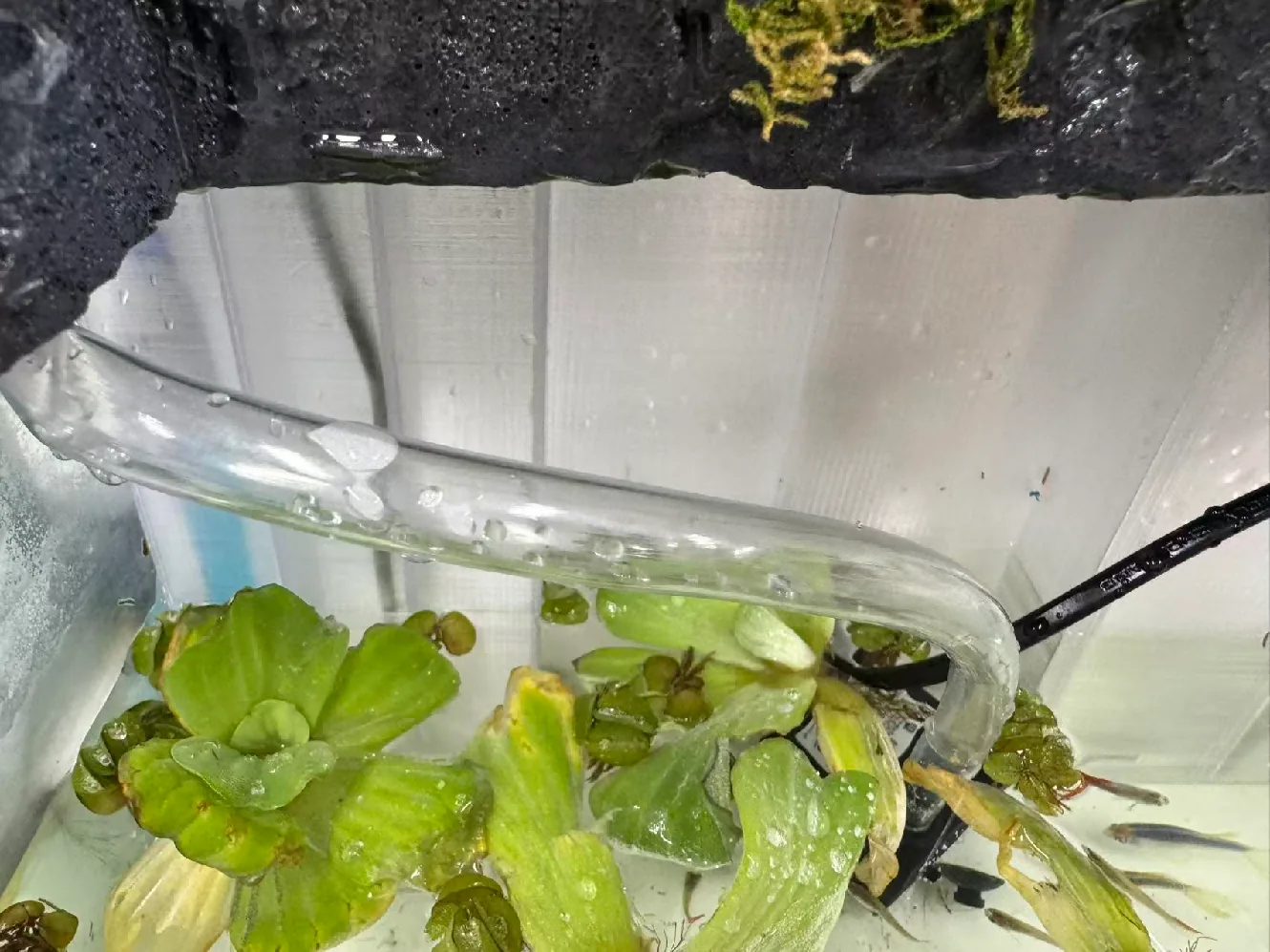
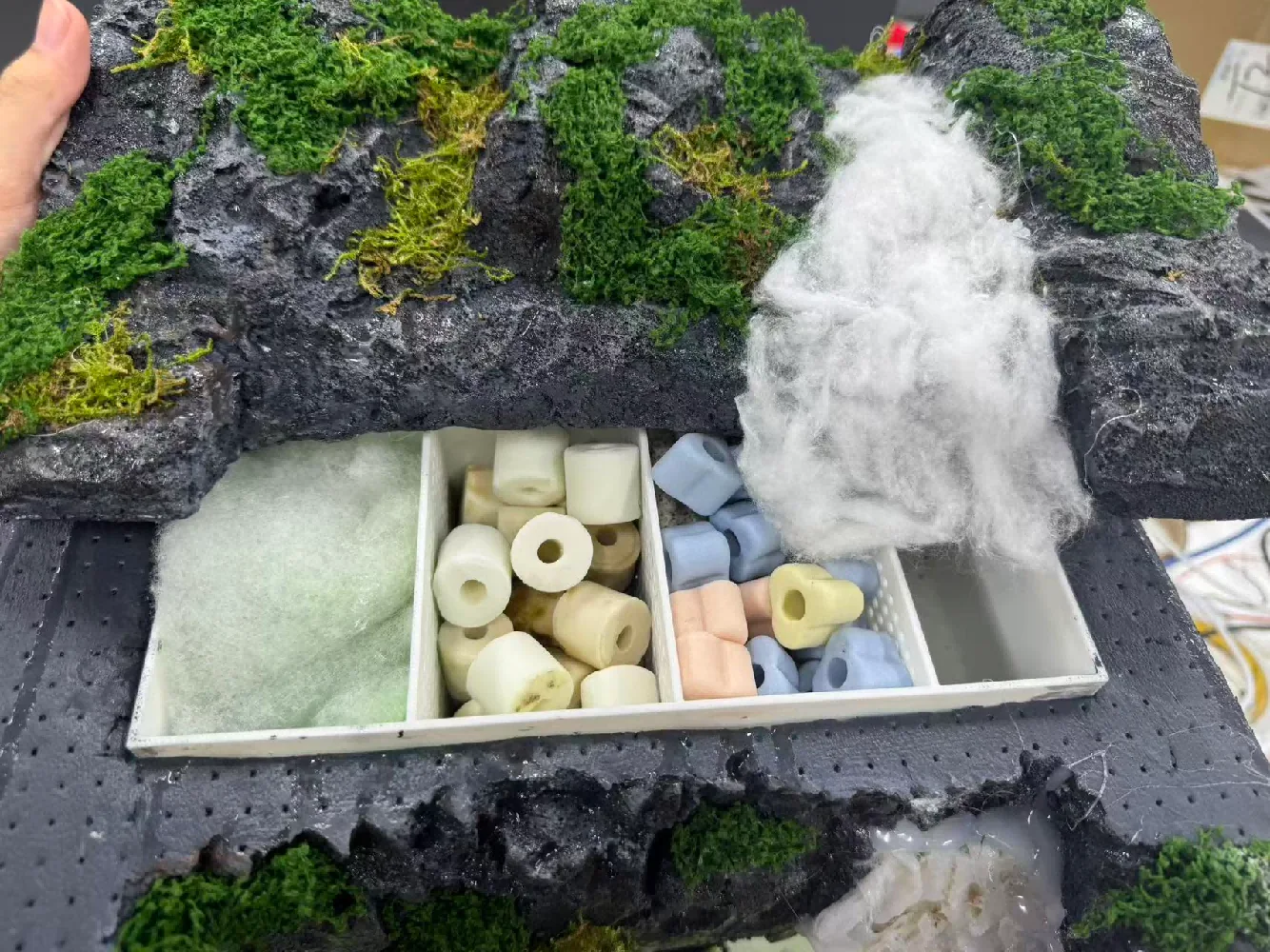
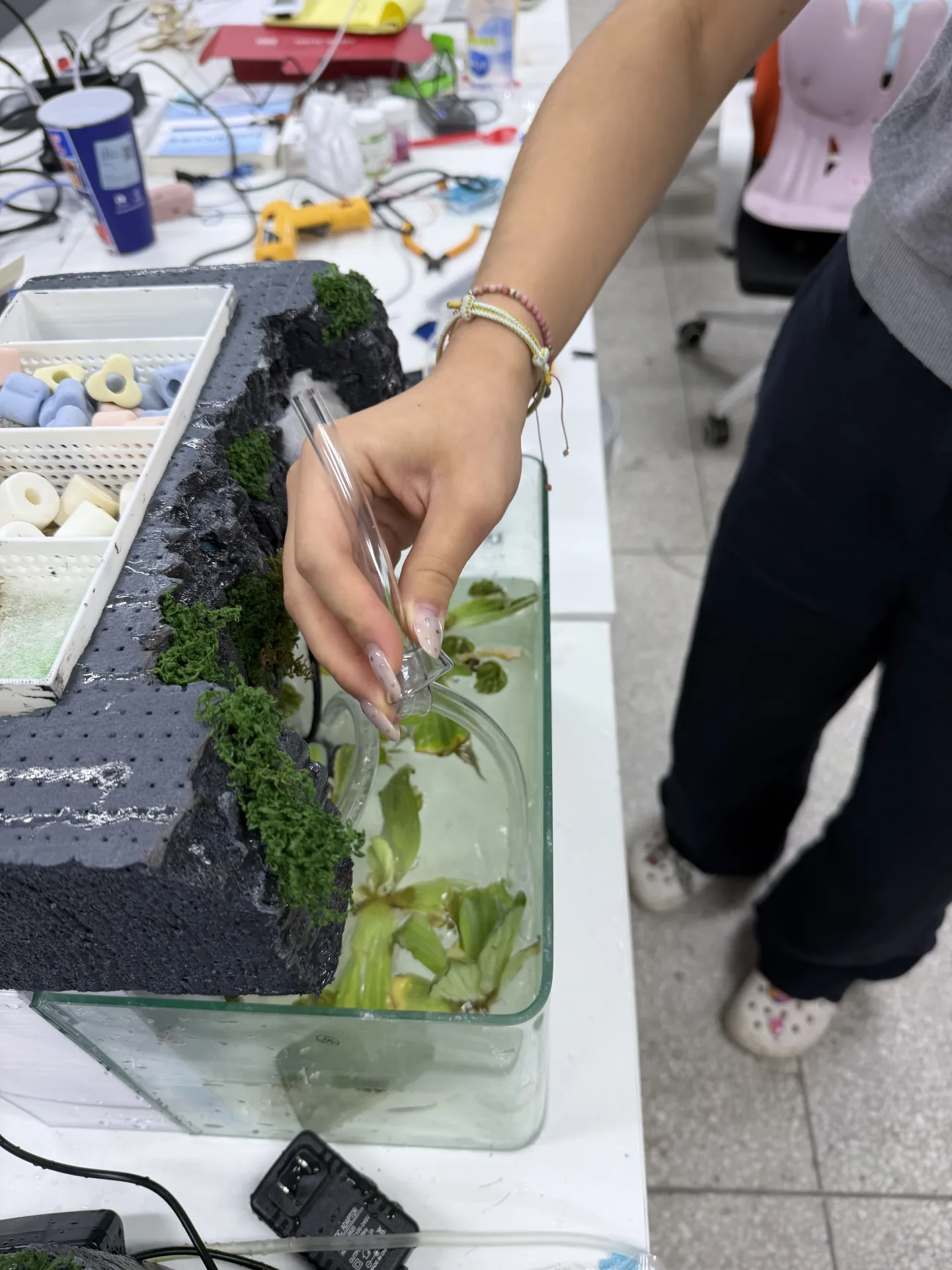
The raised rock structure holds the filtration system while keeping the front view open. A pump carries water into the filtration chamber, and a waterfall outlet returns it to the tank, combining circulation with the landscape.
Sensor data feeds a monitoring interface, alongside feeding, lighting and temperature controls. The work connects mechanical design, electronics, water treatment and application development.
This record presents the prototype and demonstrations documented in the team’s presentation.
Footage embedded in the presentation. Play to observe the water and fish in the tank. Open original video
Design iterations around maintenance and space
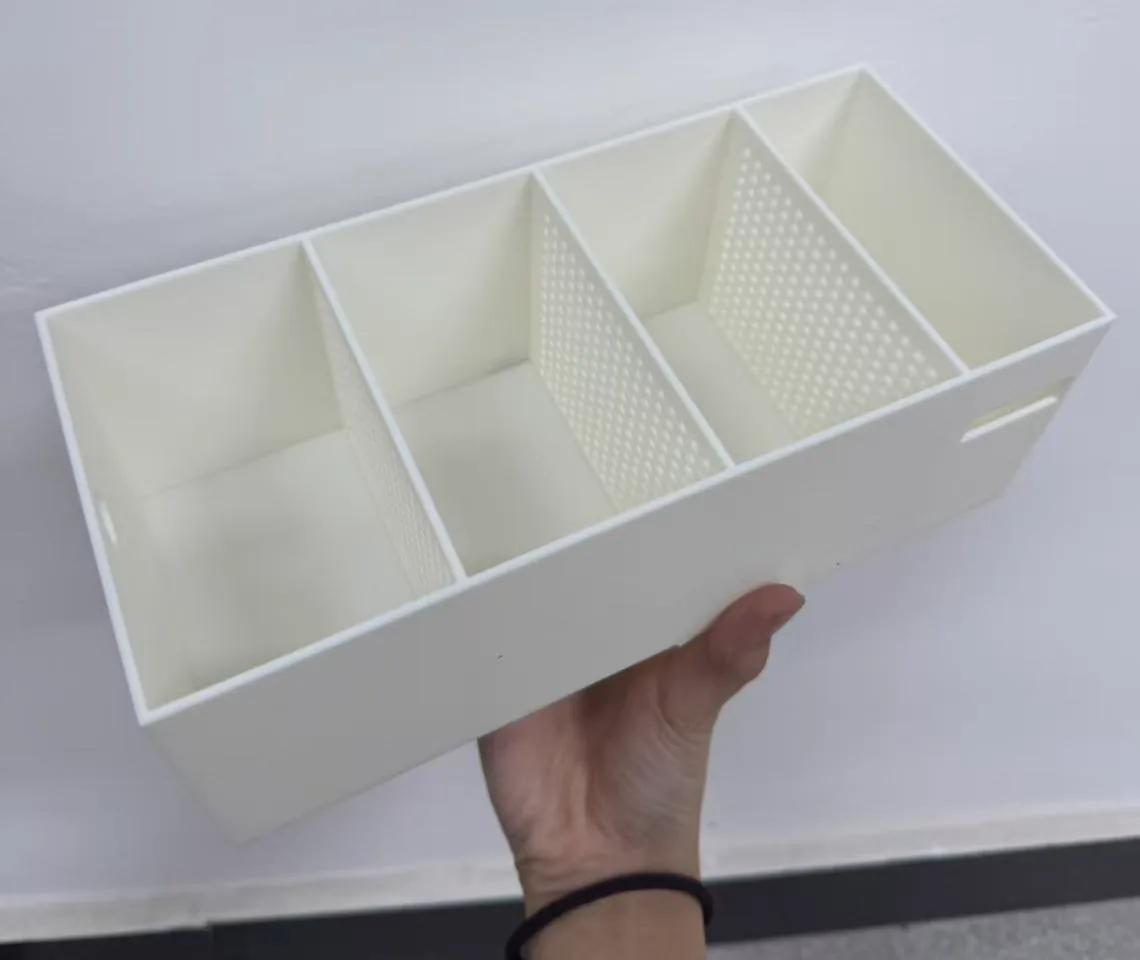
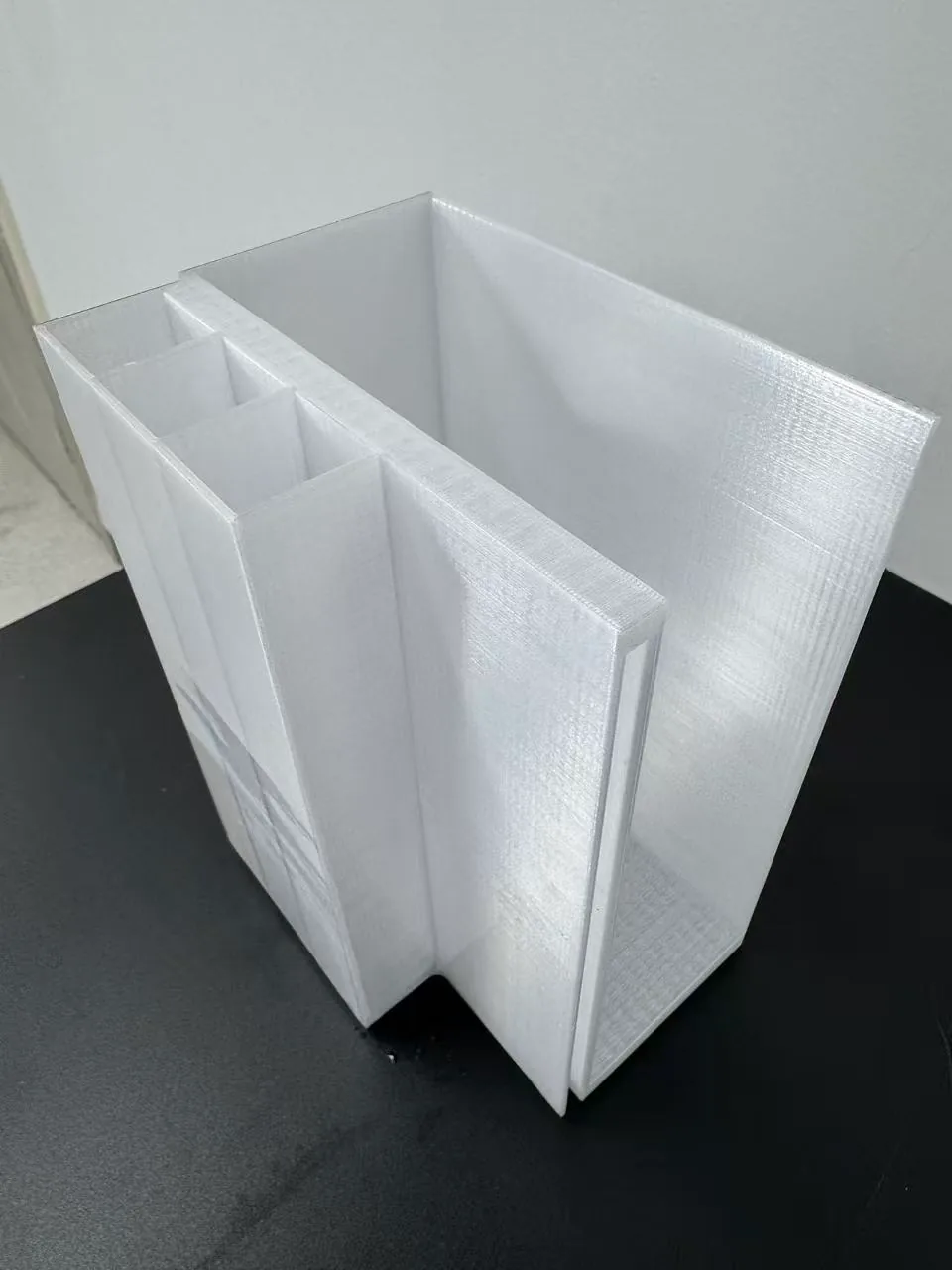
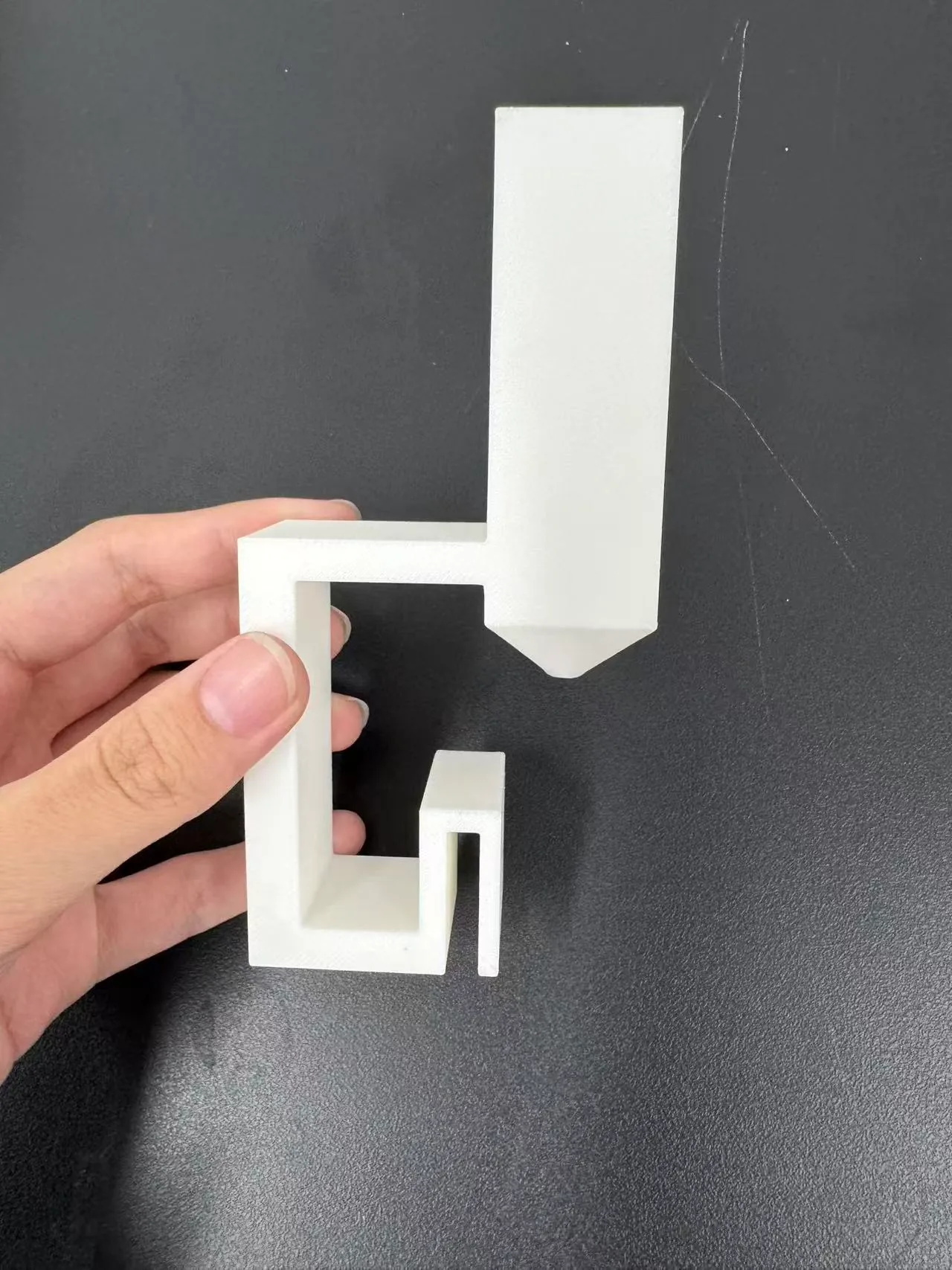
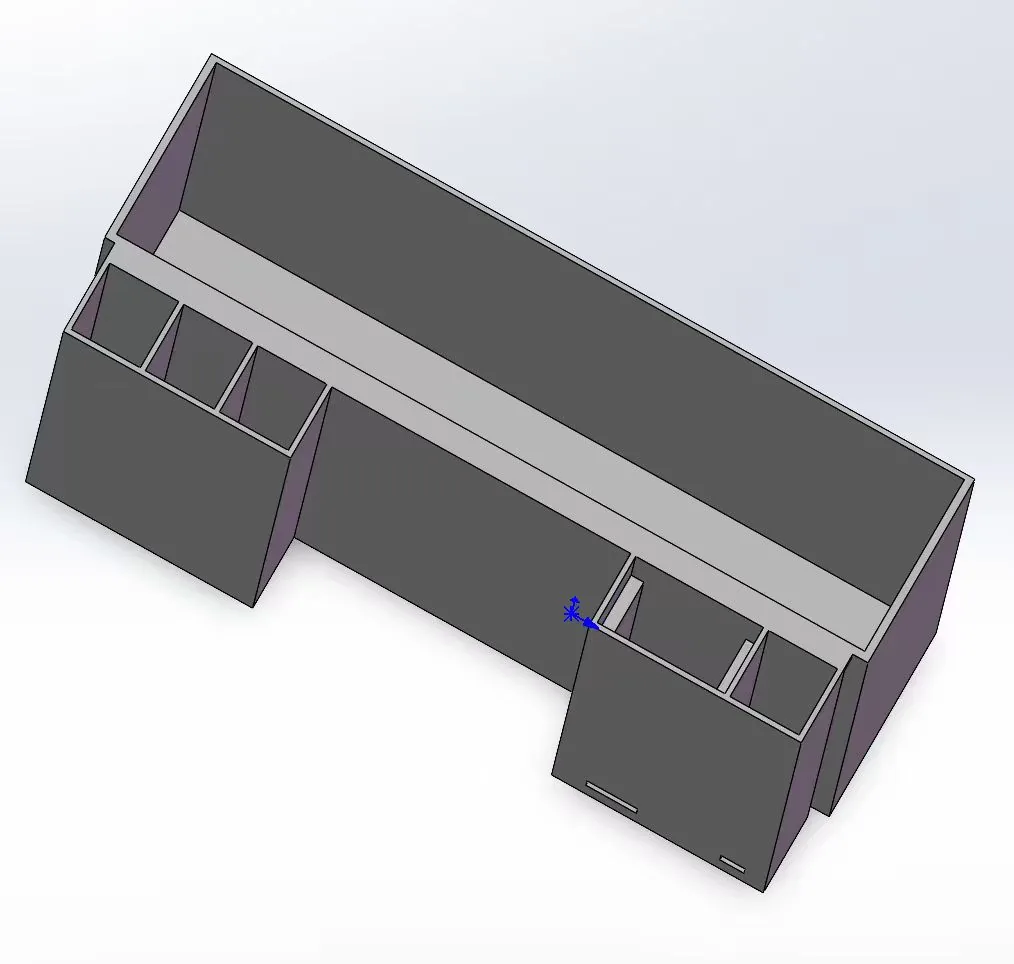
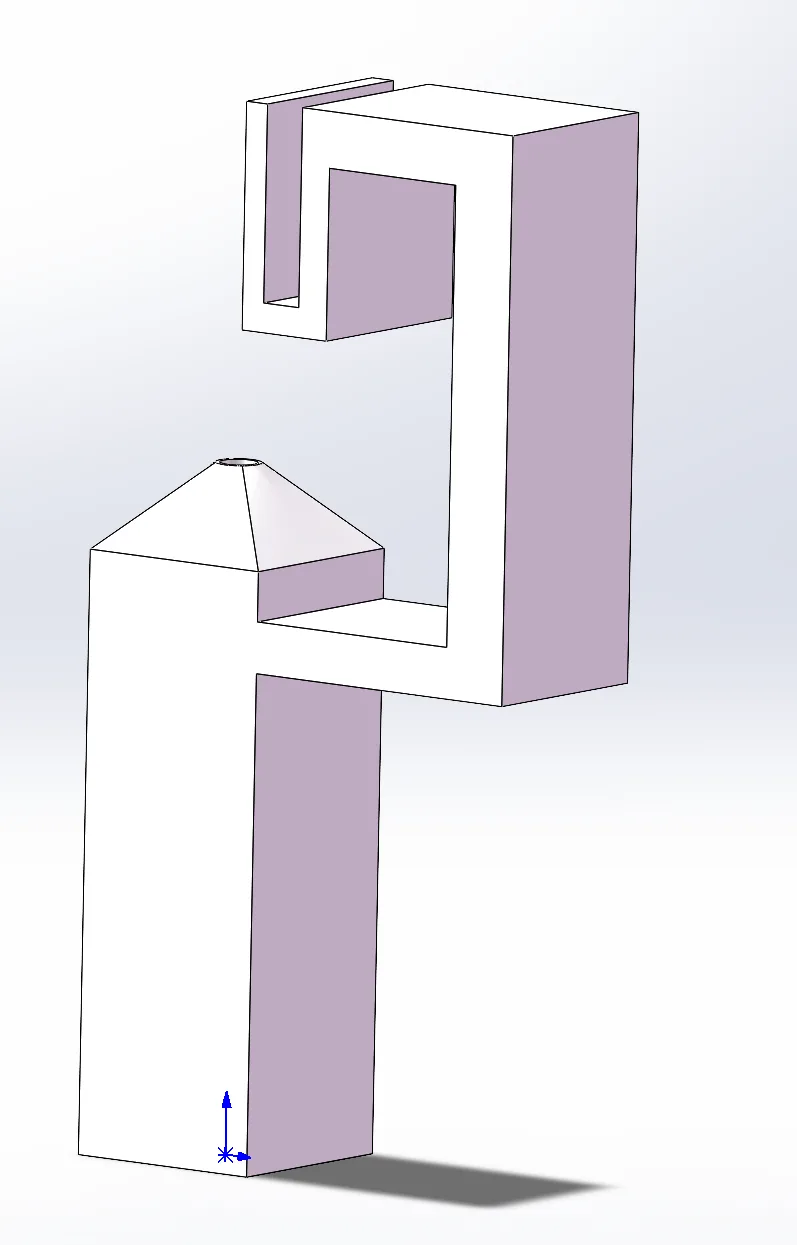
The team explored separate components, an integrated tank, a fixed internal filter and a pull-out filtration module. These four iterations reflect trade-offs in assembly, cleaning, leakage risks and space for fish.
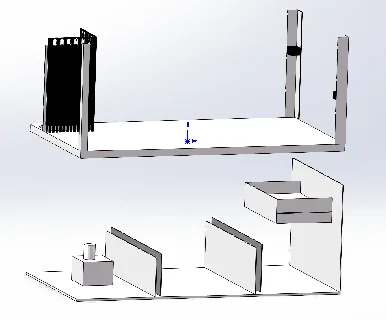
Separate modules · design model 01 Separate modules
Bulky components and leakage concerns during maintenance.
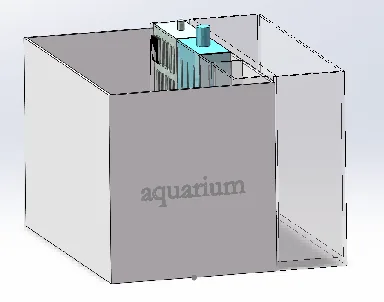
Integrated tank · design model 02 Integrated tank
Combines components to save space and conceal exposed plumbing.
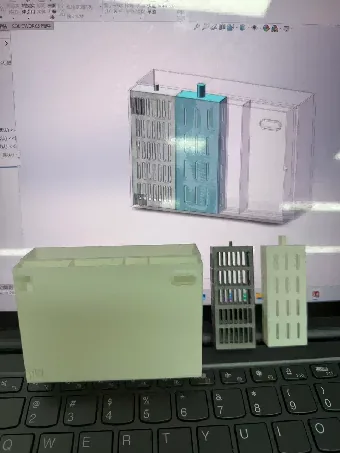
Fixed internal filter · design model 03 Fixed internal filter
A fixed chamber is difficult to clean thoroughly and takes up swimming space.
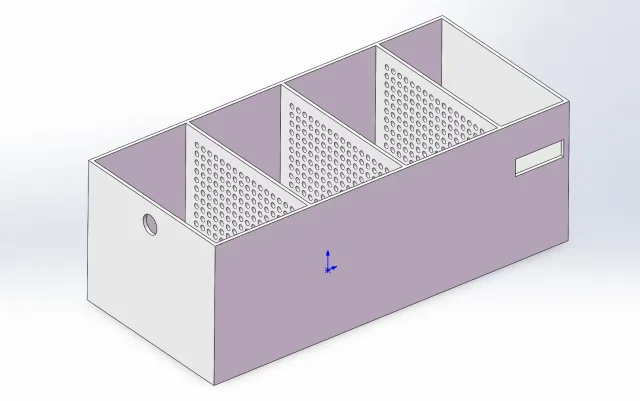
Pull-out filter · design model 04 Pull-out filter
The module can be removed for cleaning, with sliding gaps and clearance still to resolve.
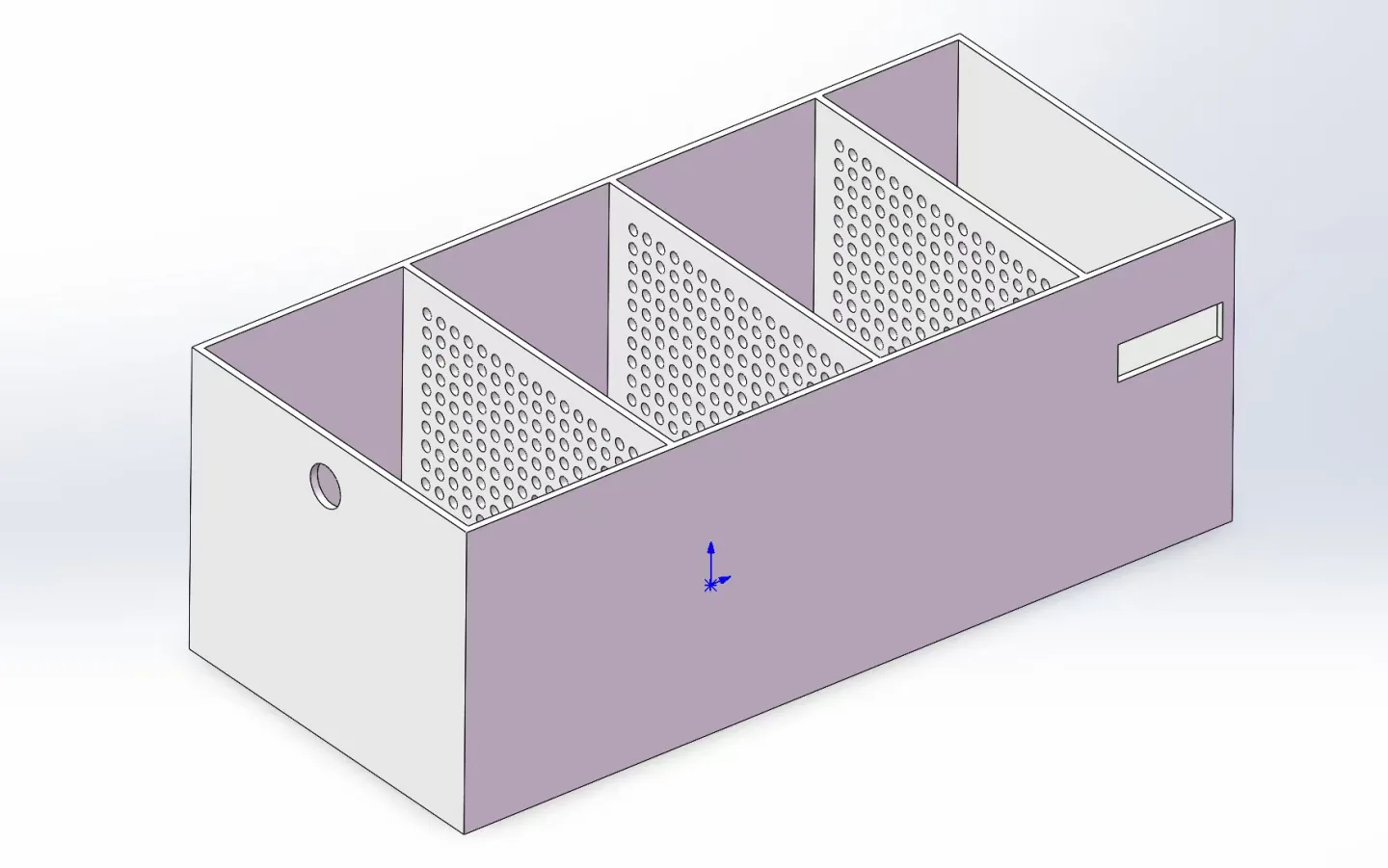
Three-stage filtration and return flow
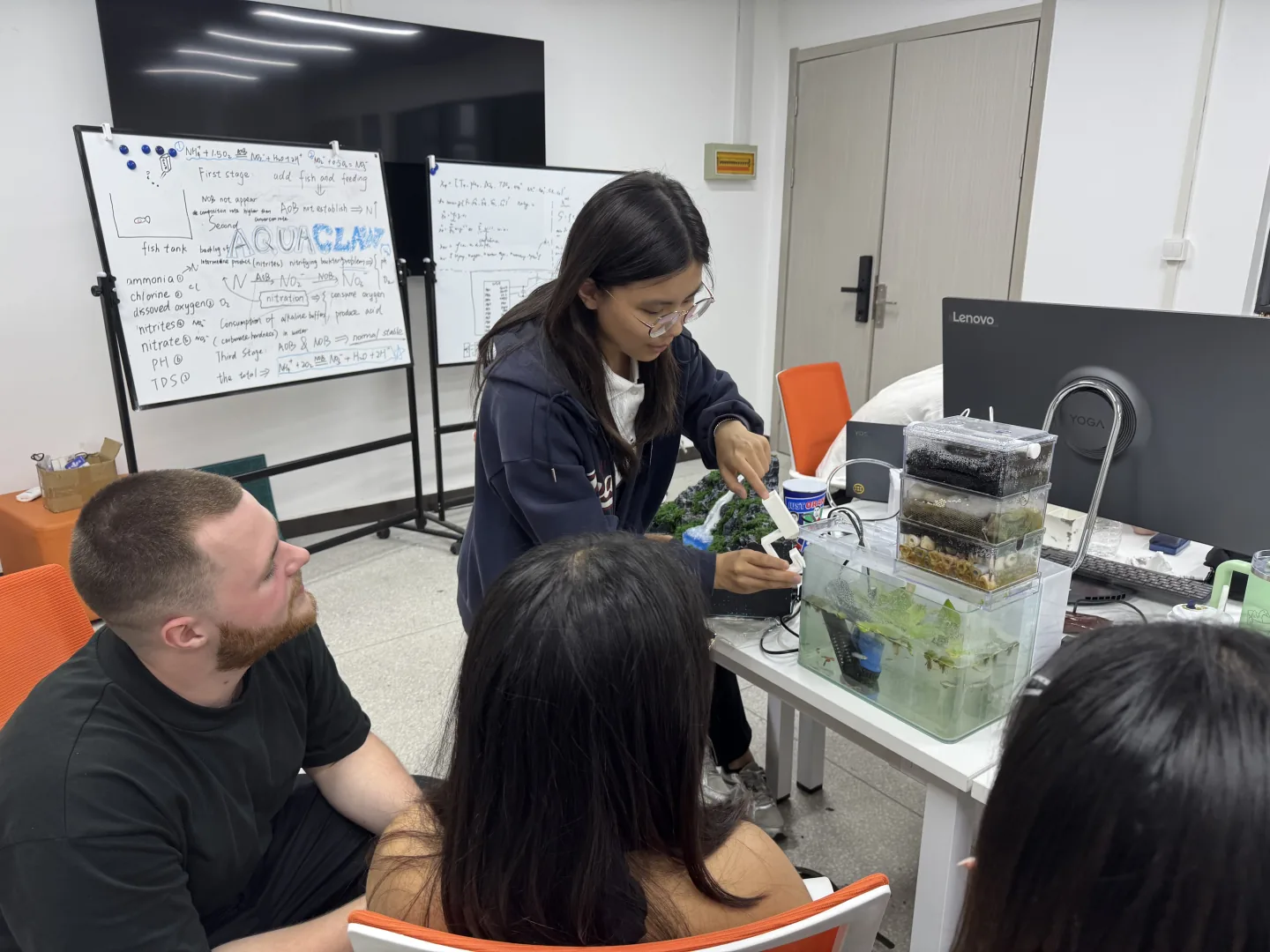
The documented flow passes through filter wool, ceramic rings and a bacterial chamber before returning through the waterfall outlet. The stages support filtration while the landscape conceals plumbing and equipment.
The final design also includes an enclosed sensor compartment and an automatic dosing unit, linking monitoring with control hardware.
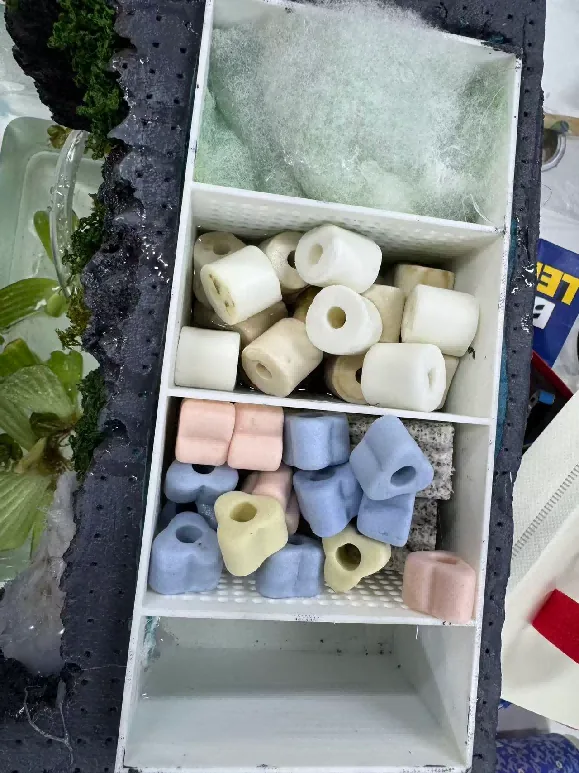
Landscape and circulation details
Water sensing and coordinated control
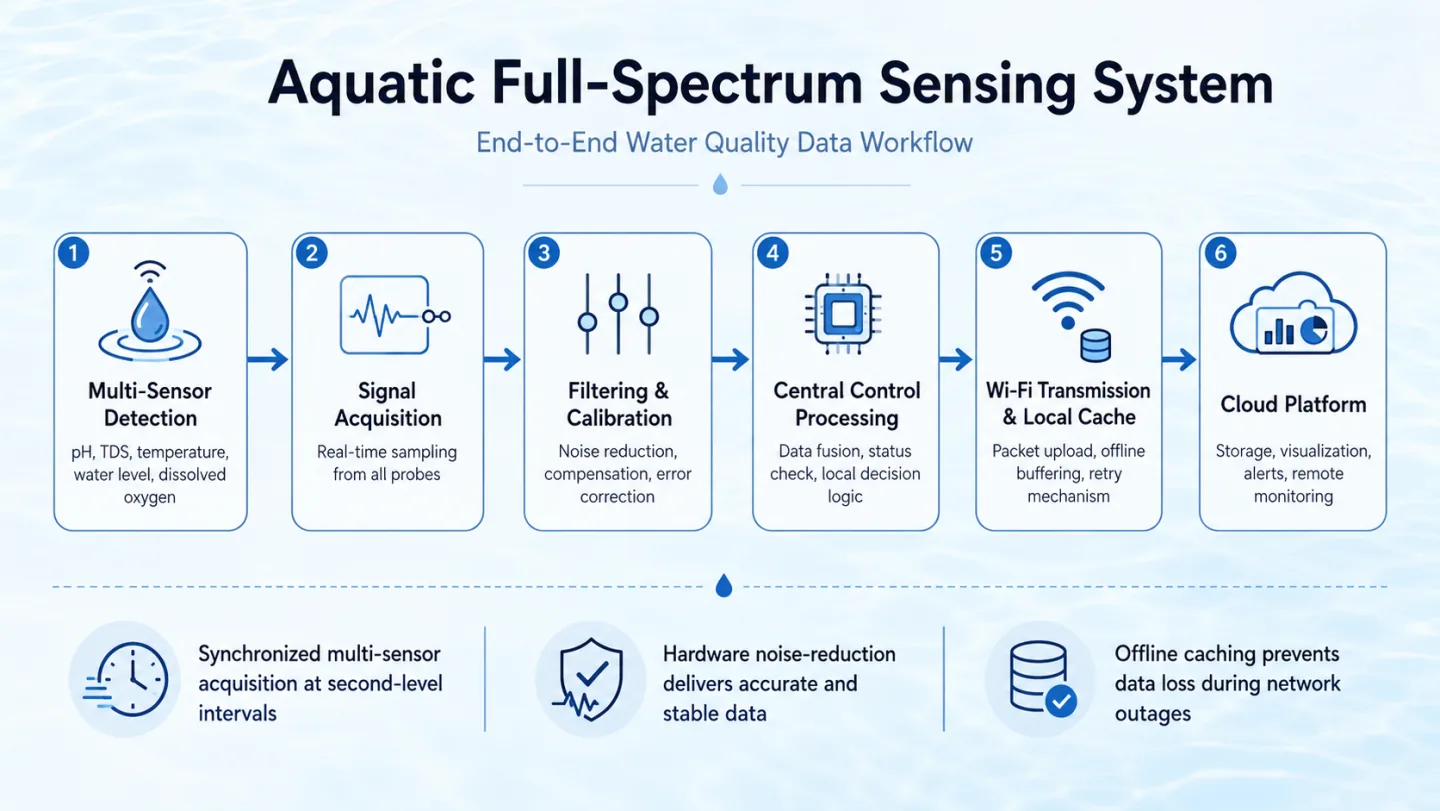
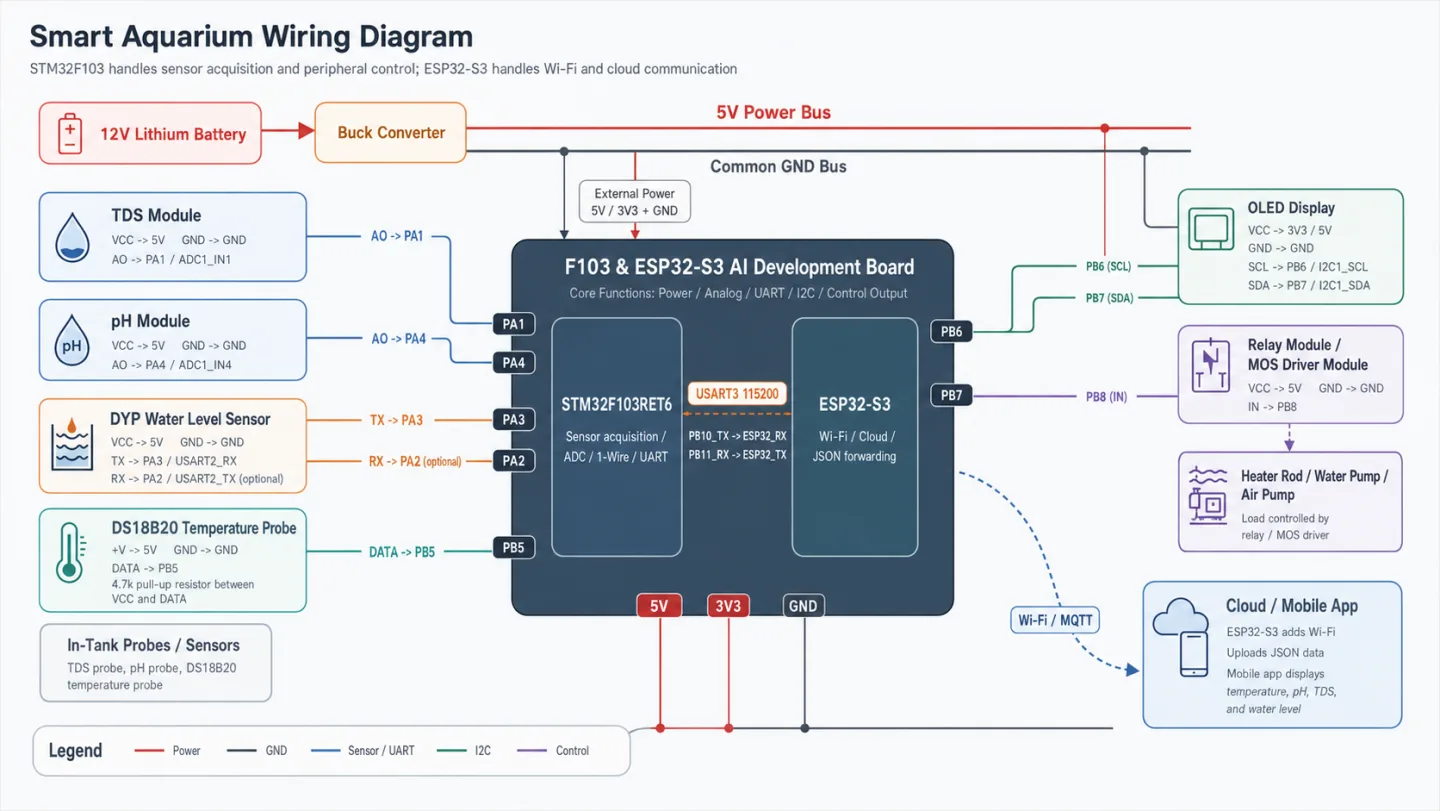
The project uses an STM32 and ESP32 dual-MCU architecture. The STM32 handles sensing and control, while the ESP32 provides wireless communication between local readings and remote monitoring.
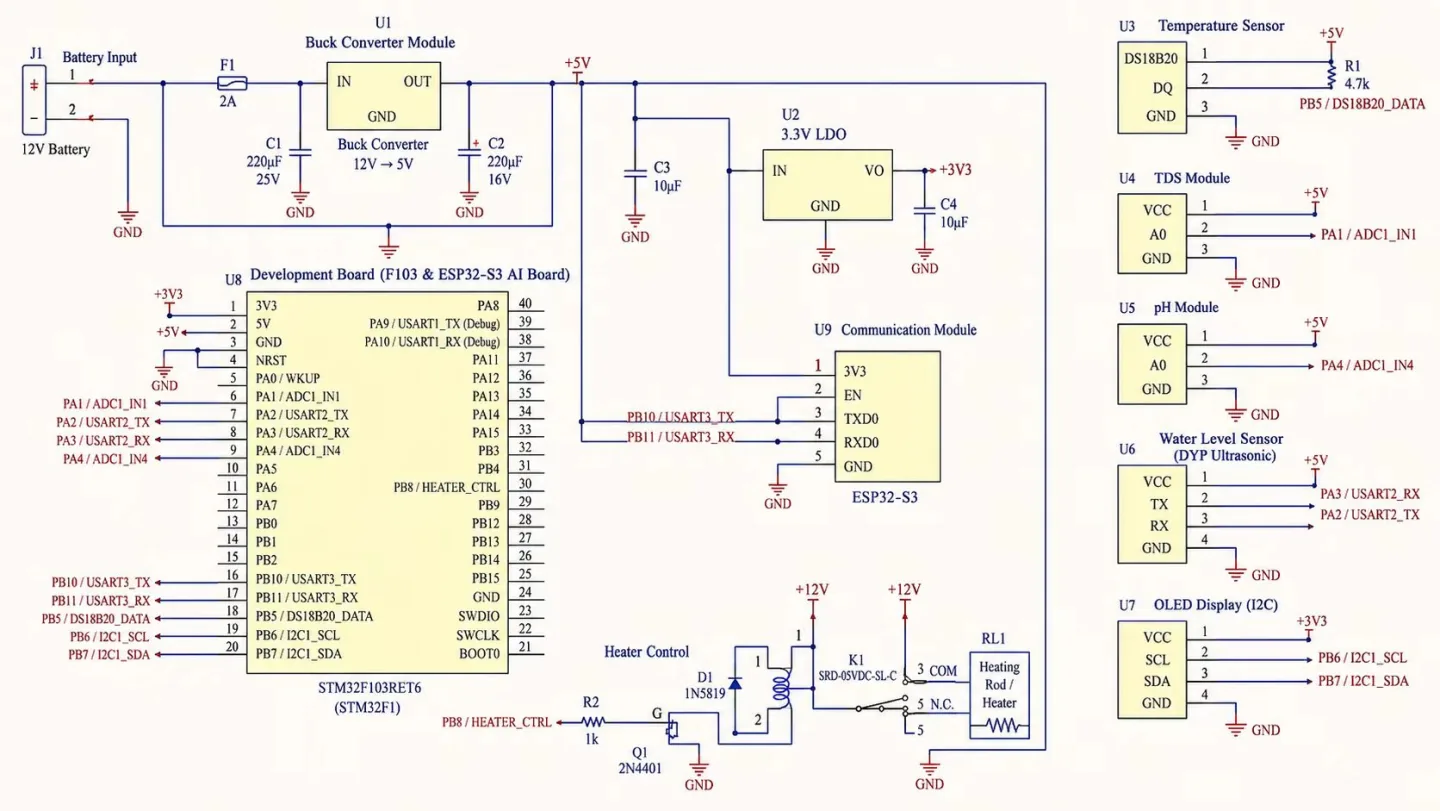
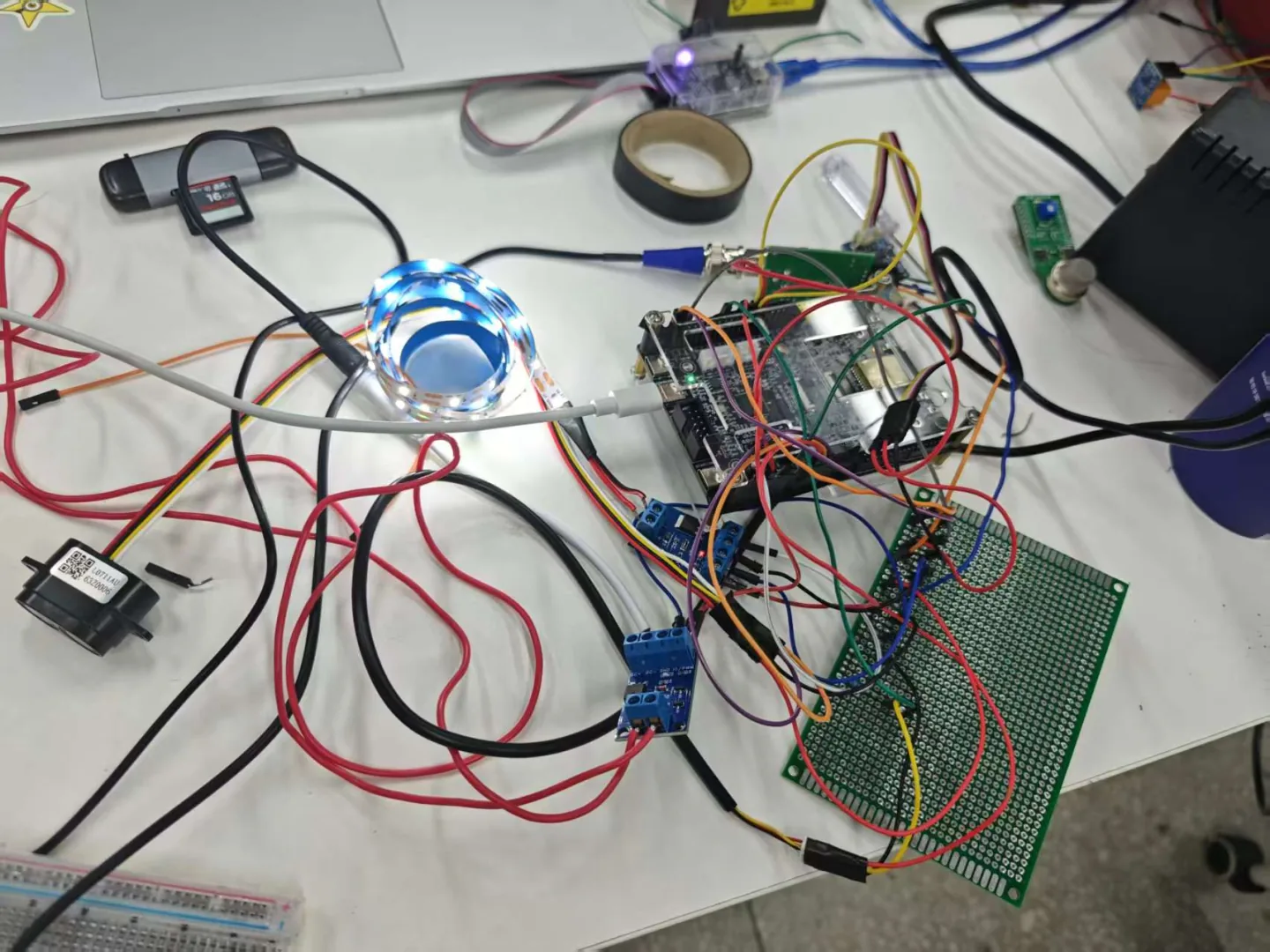
Acquisition, communication and actuation
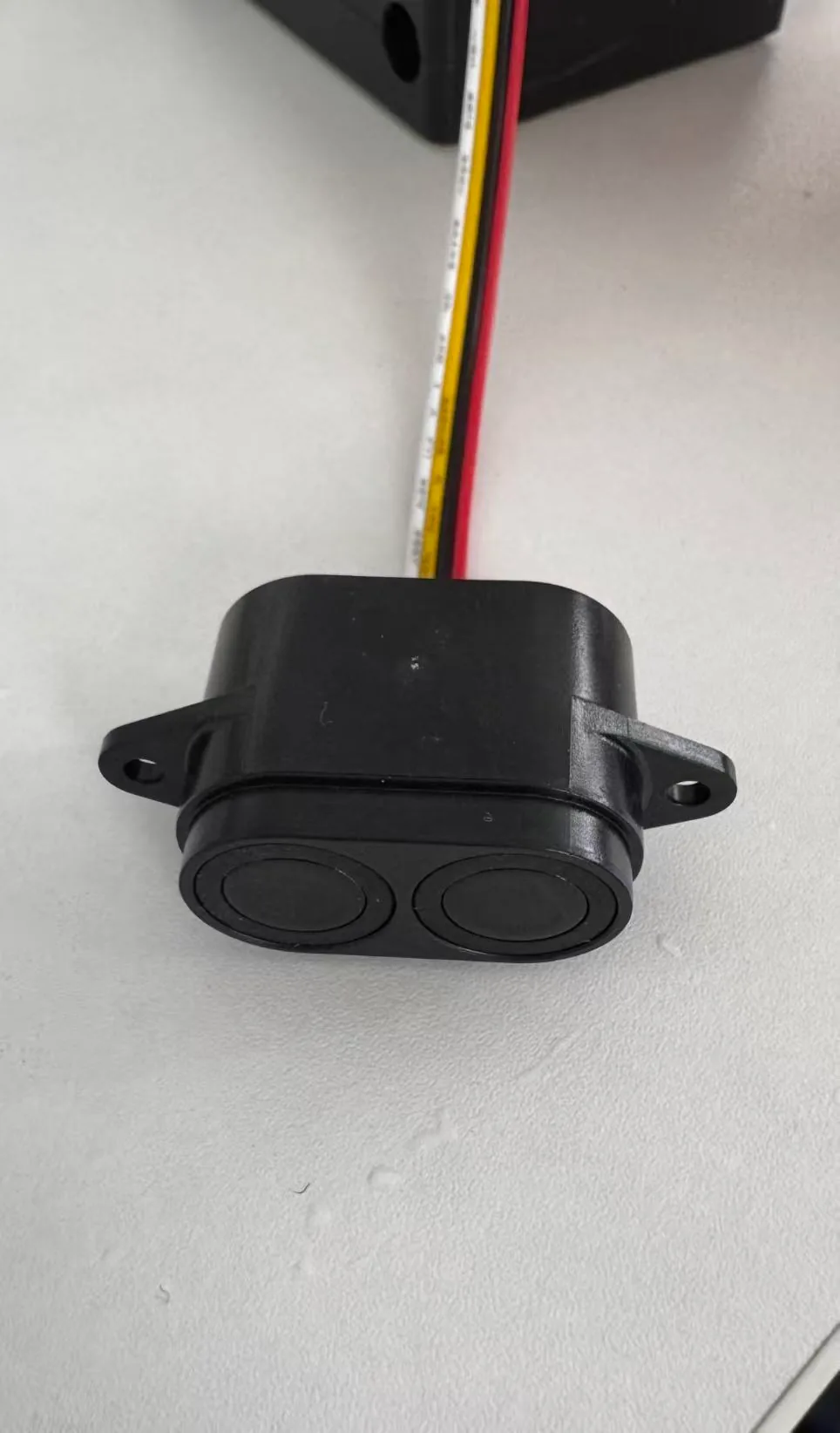
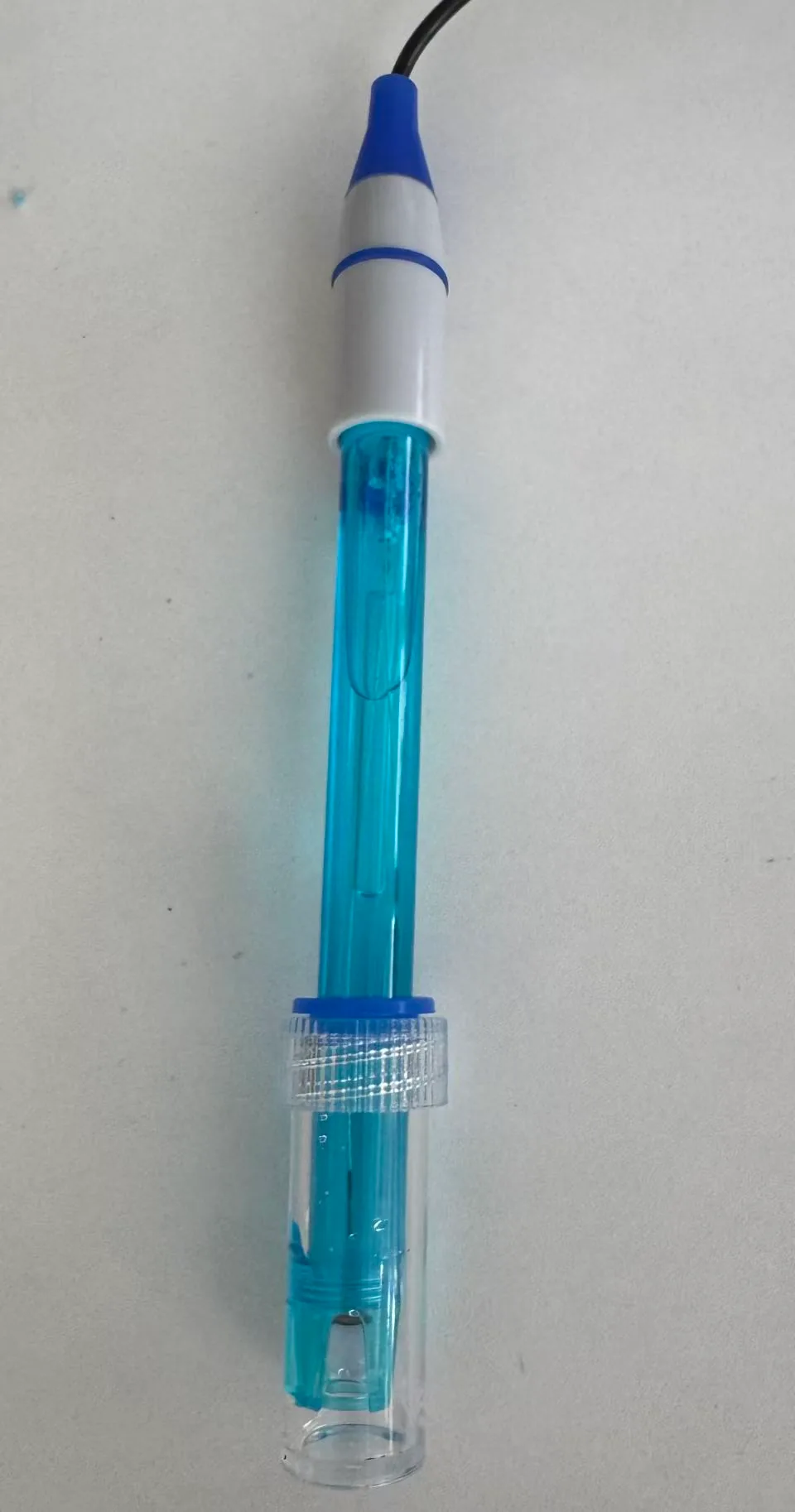
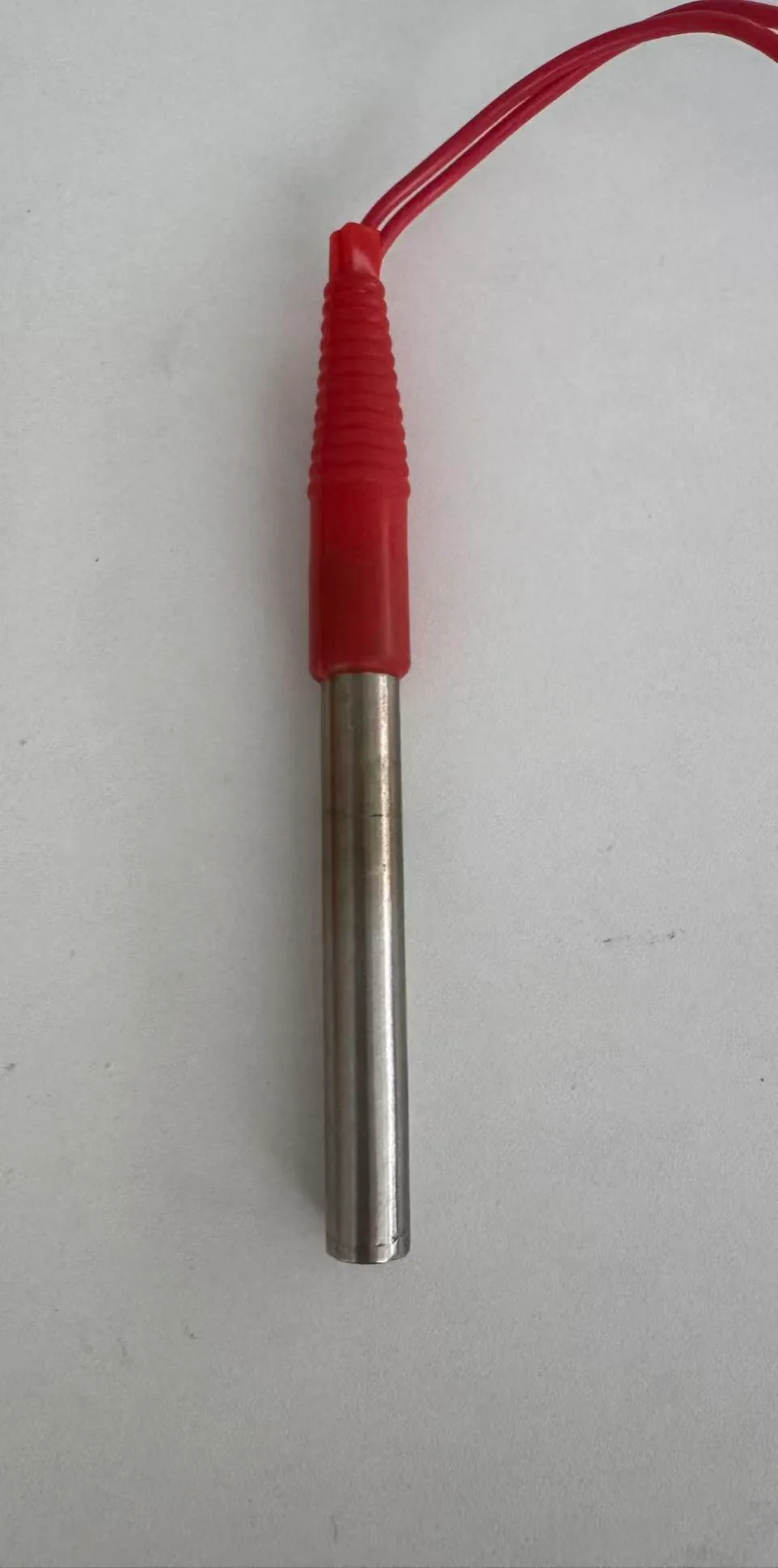
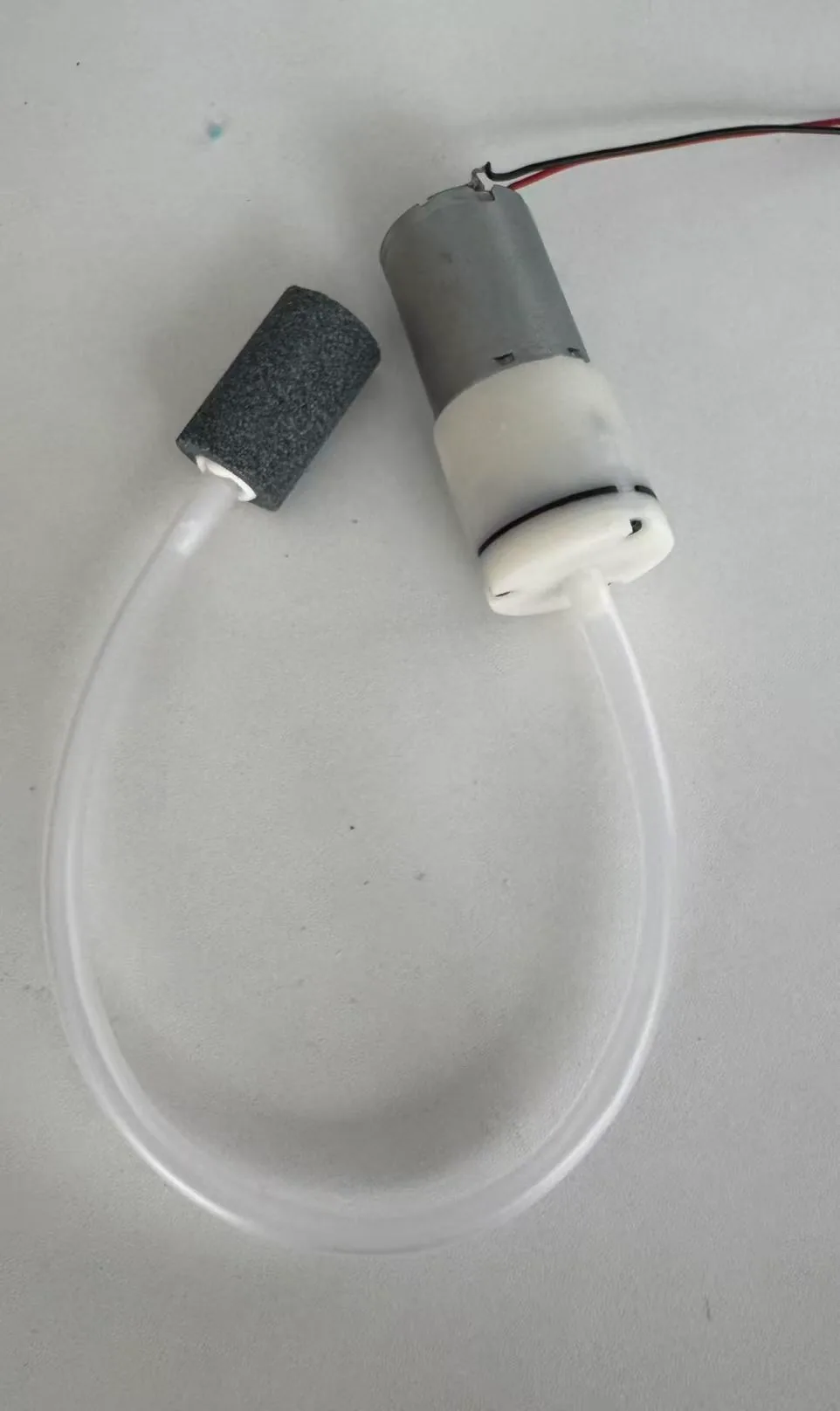
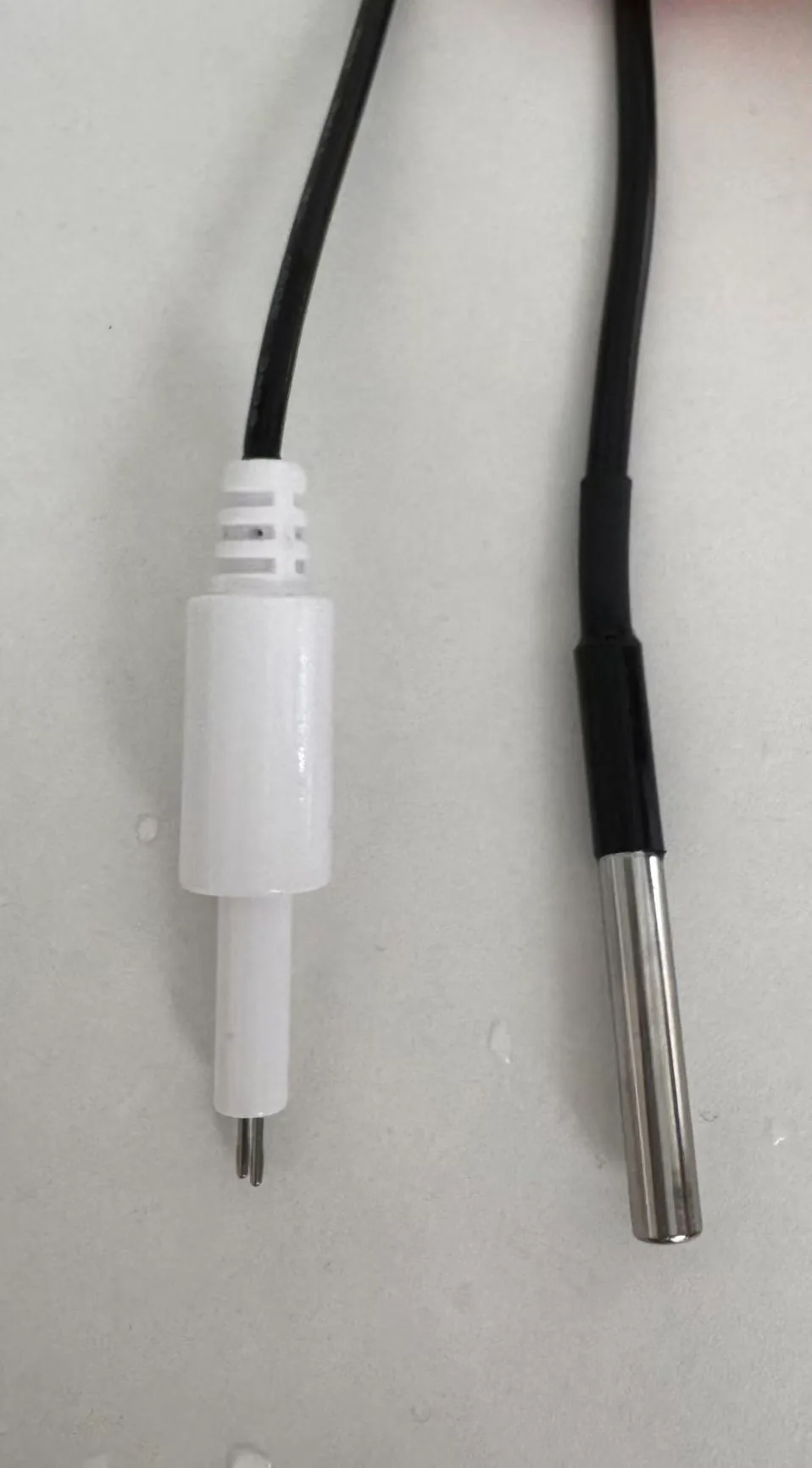
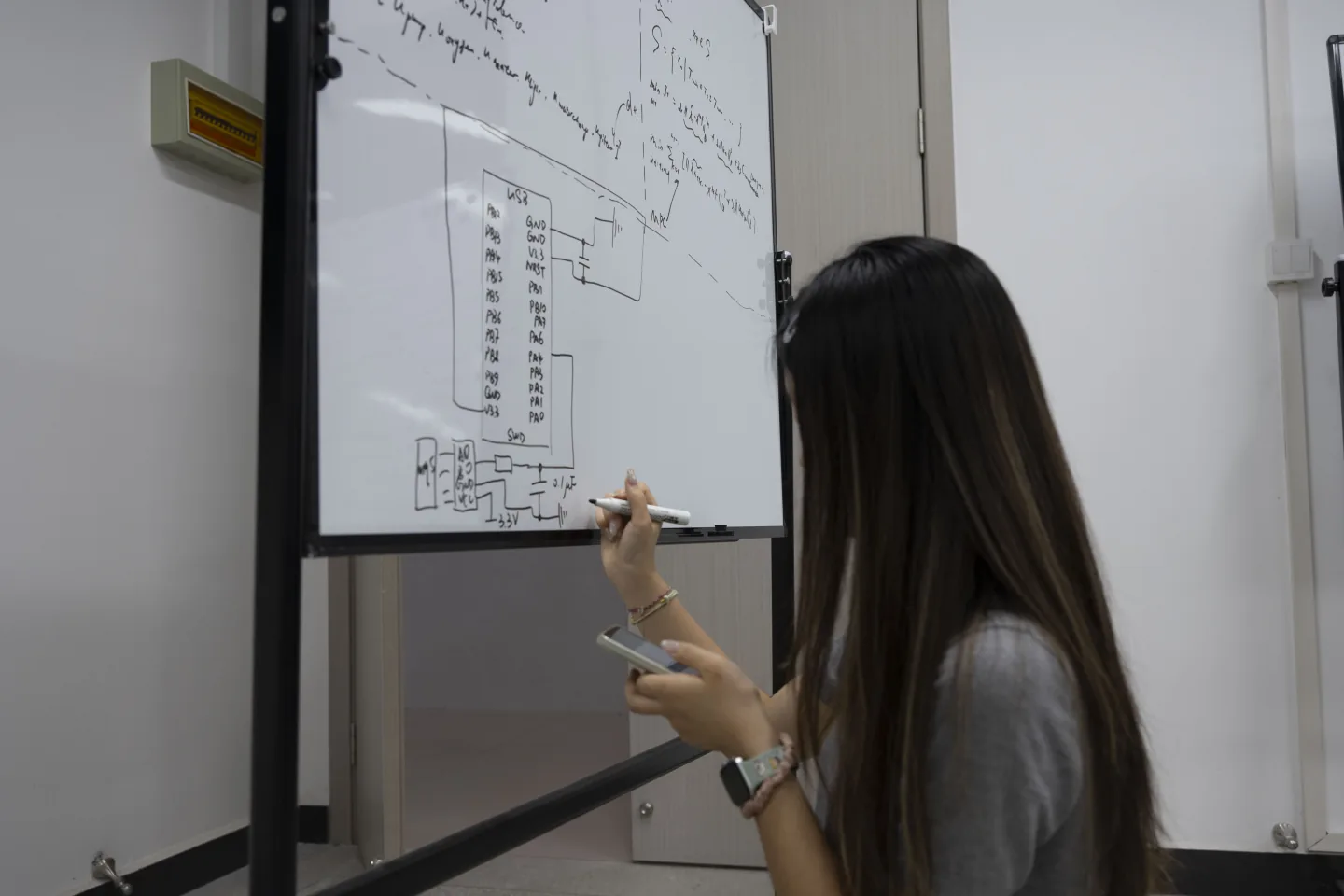
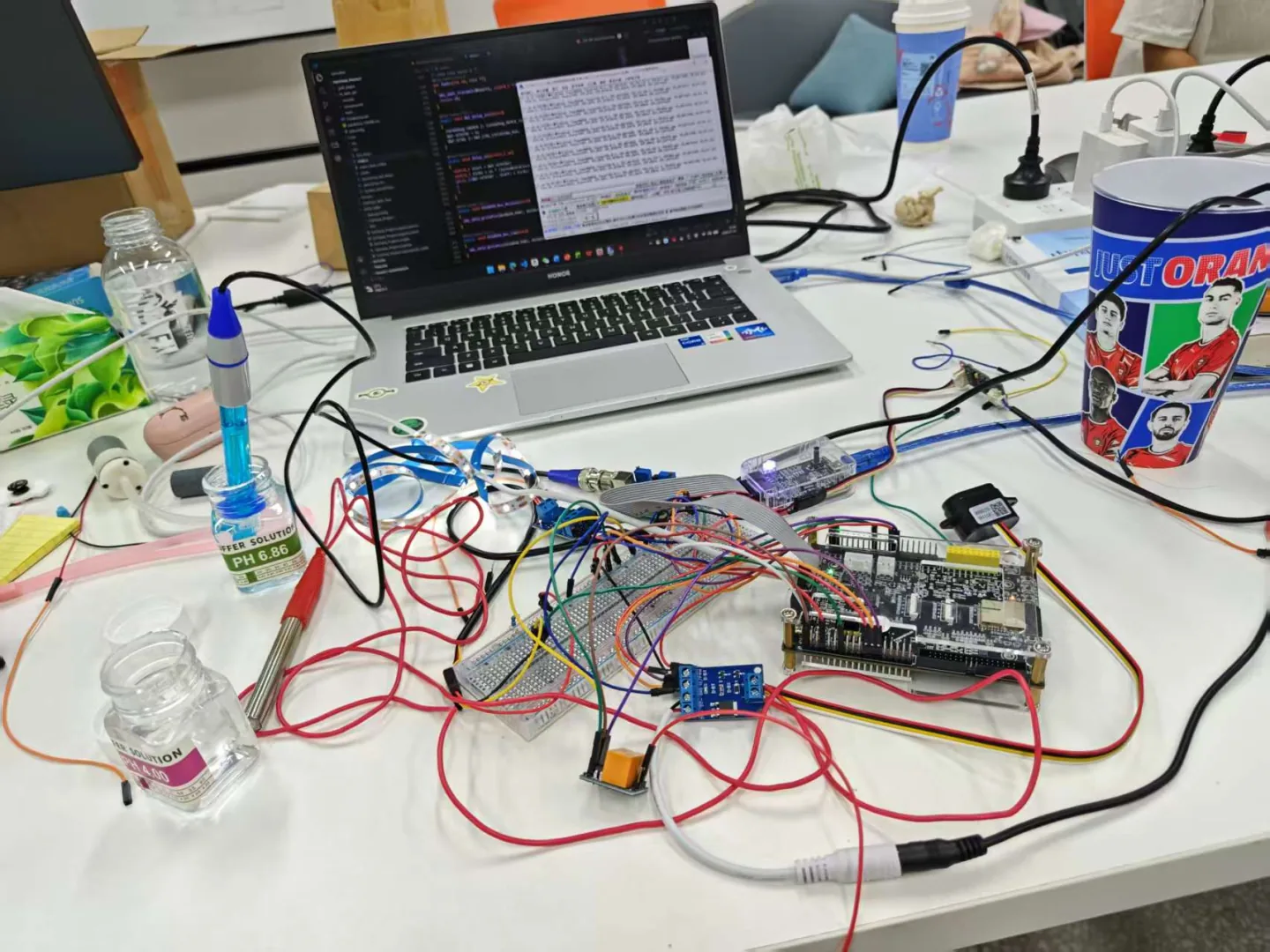
The schematic explicitly shows pH, TDS, DS18B20 temperature and water-level sensing, together with display and heater control. The presentation also describes oxygenation, feeding and dosing components.
Sampling frequency follows risk
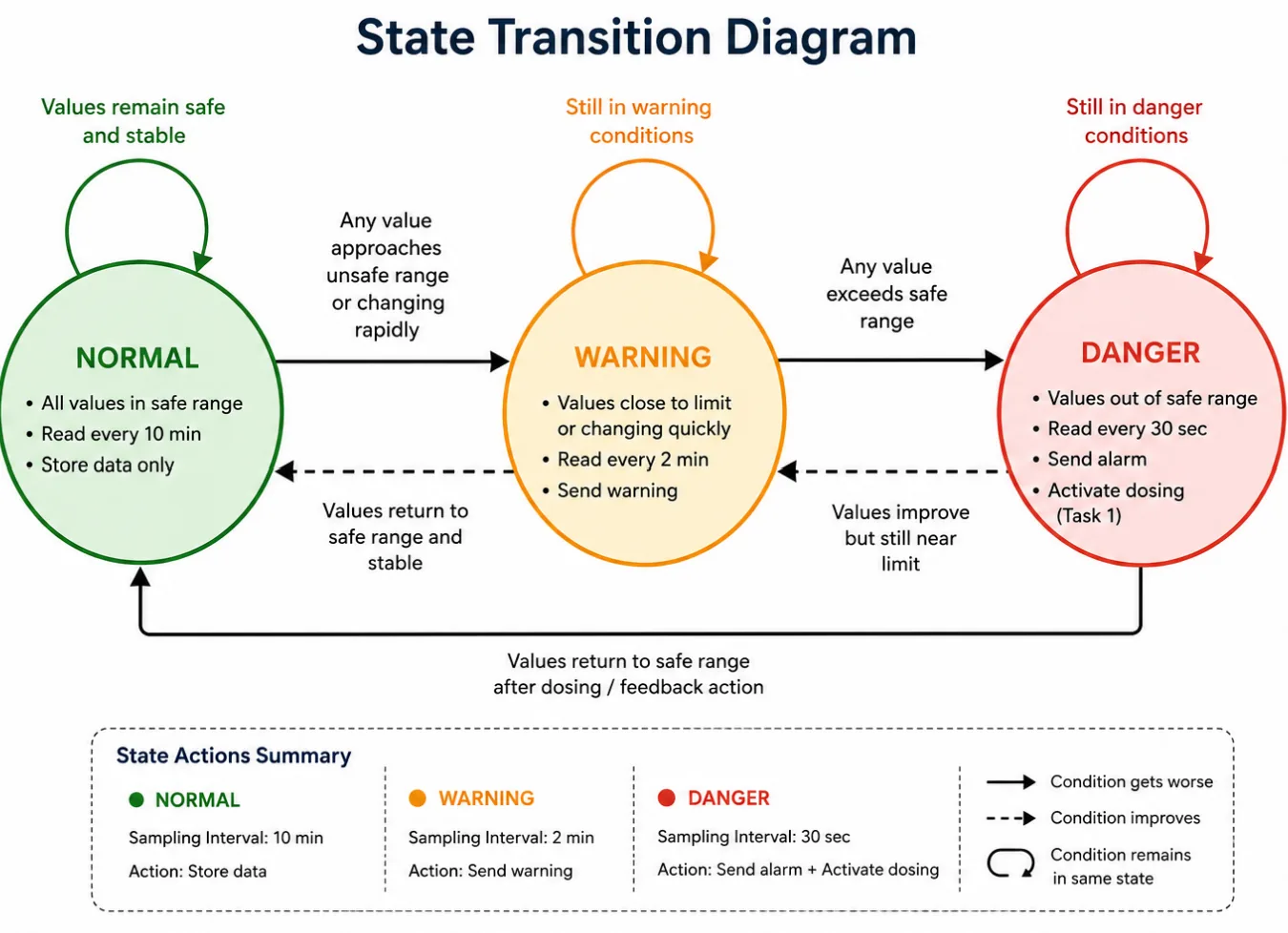
The presented state machine defines normal, warning and danger states. Sampling intervals are 10 minutes, 2 minutes and 30 seconds respectively, with corresponding notifications, alarms and control feedback.
View the sampling state diagram
Sensors and connections
One interface for monitoring and control
The application demonstration includes live data, historical trends and a camera preview, with entry points for lighting, heating and feeding. The camera page shows an MJPEG stream.
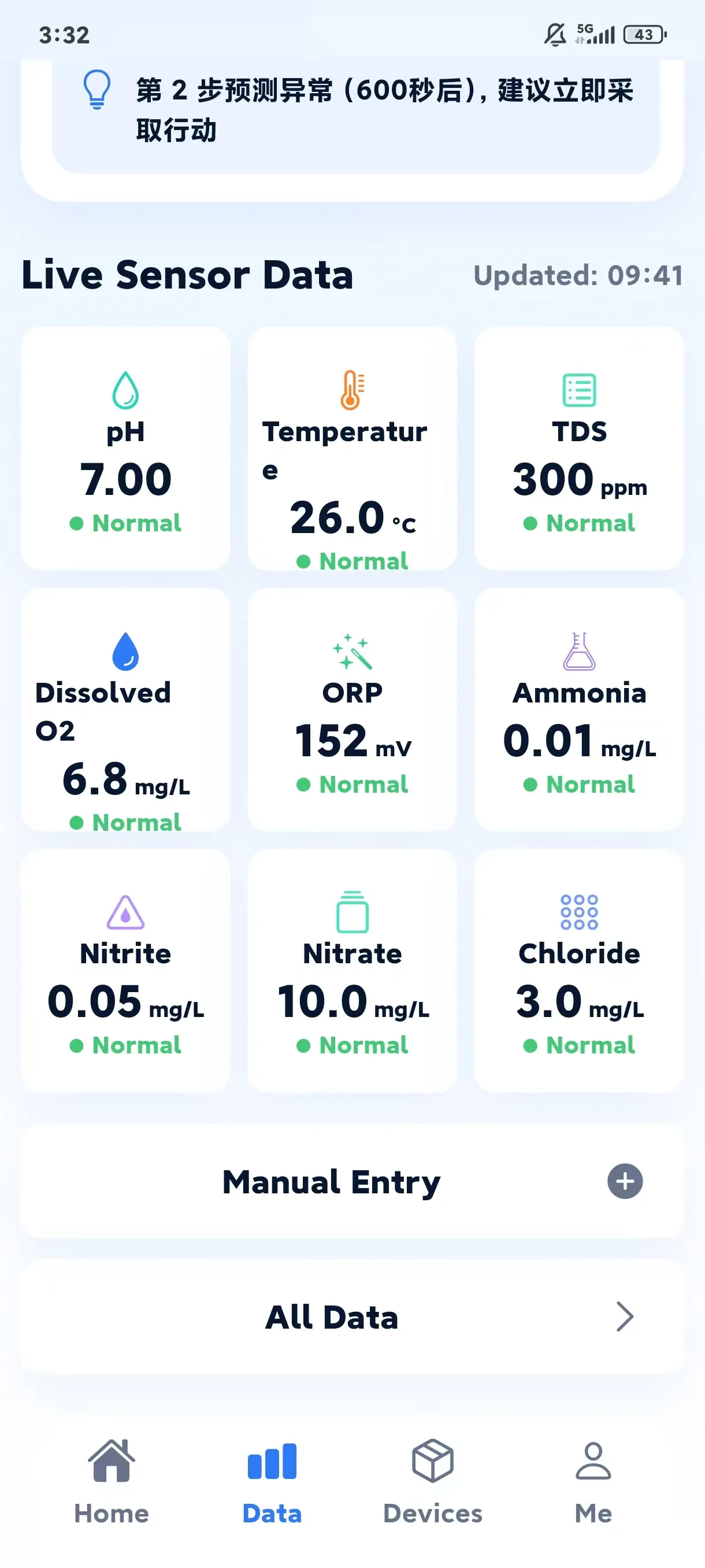
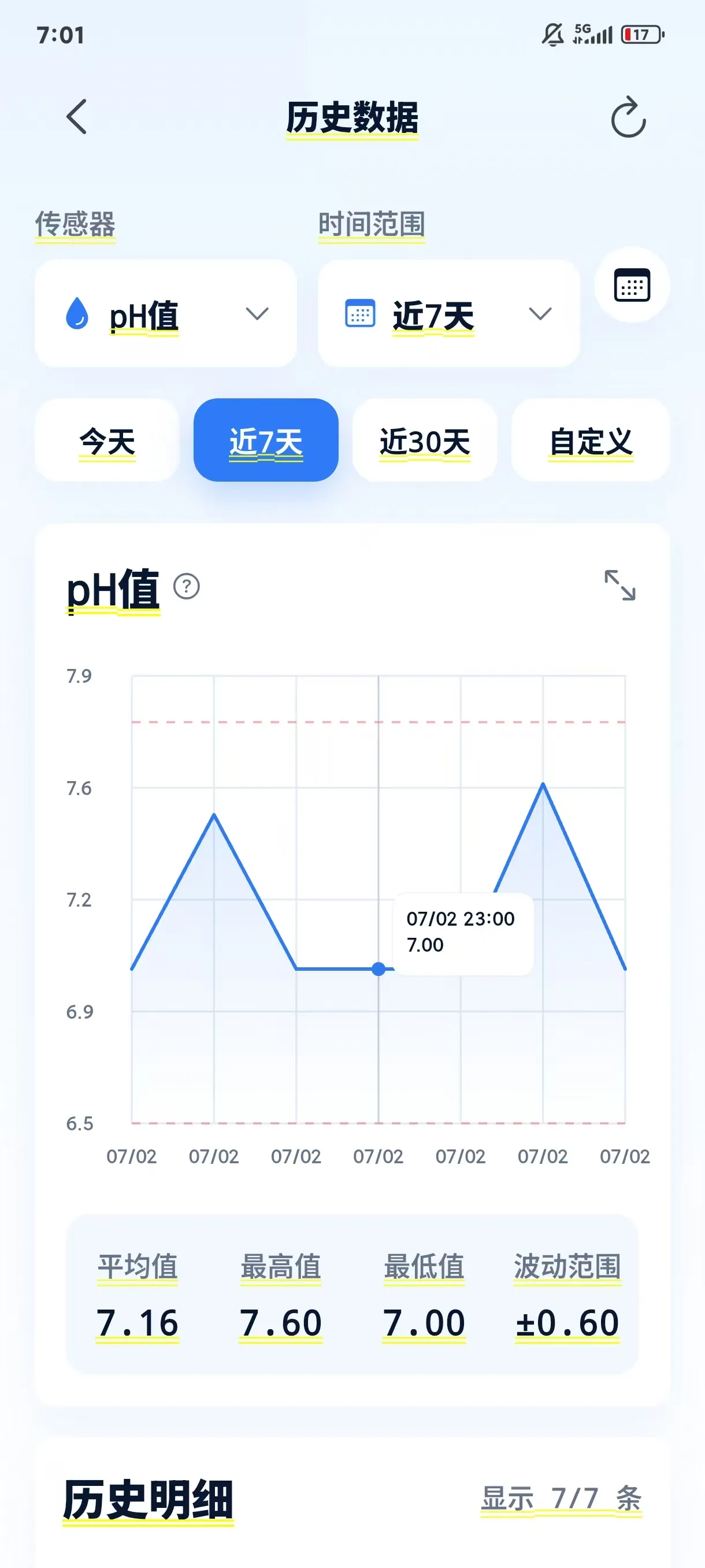
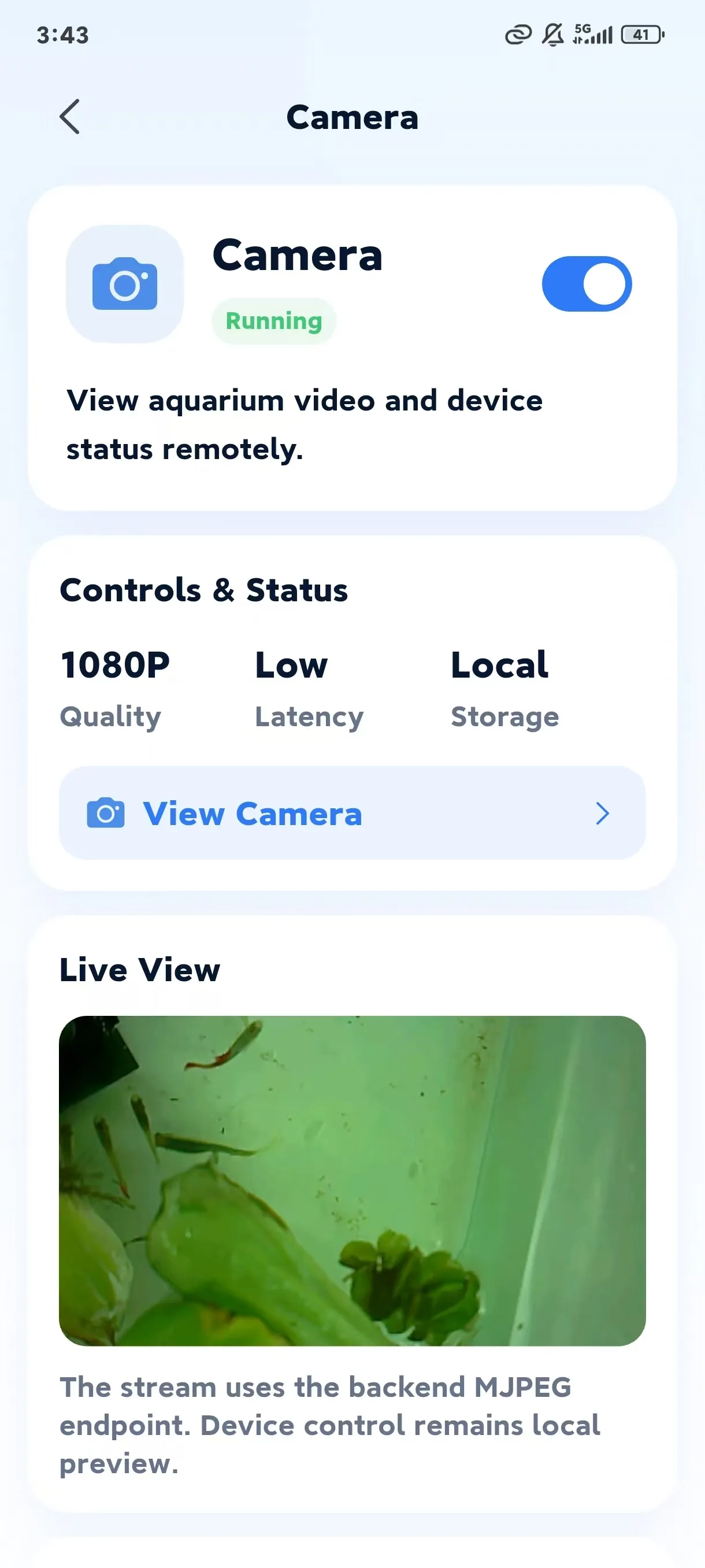
More interfaces and feature designs
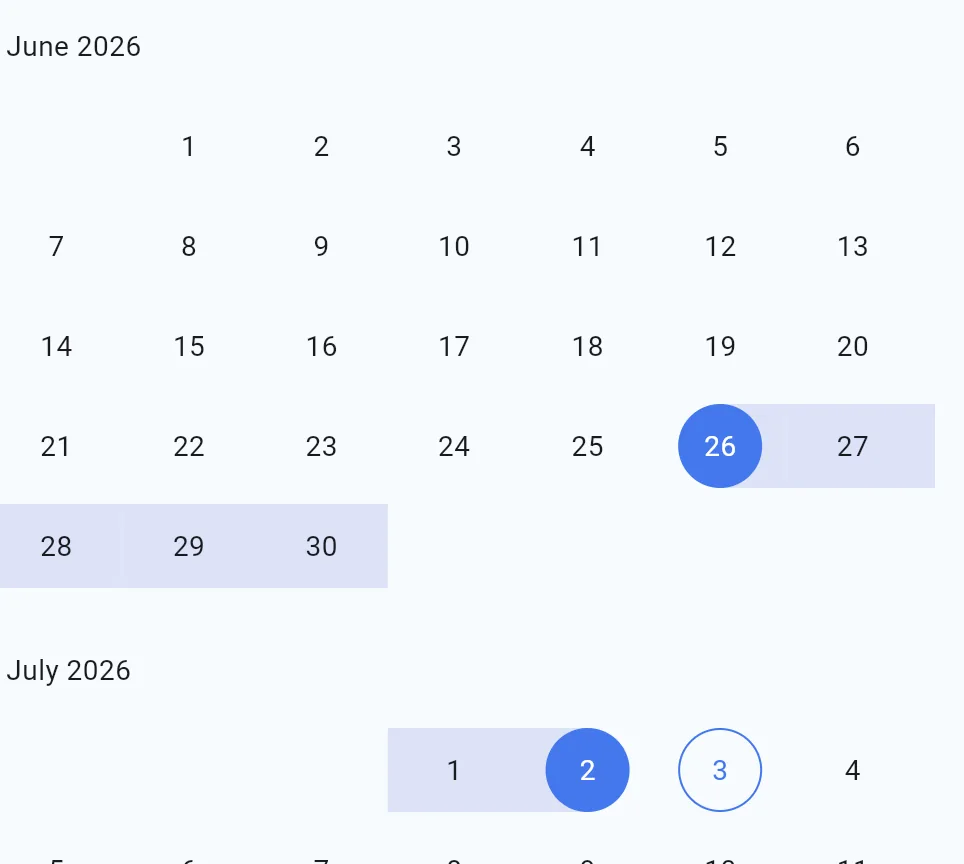
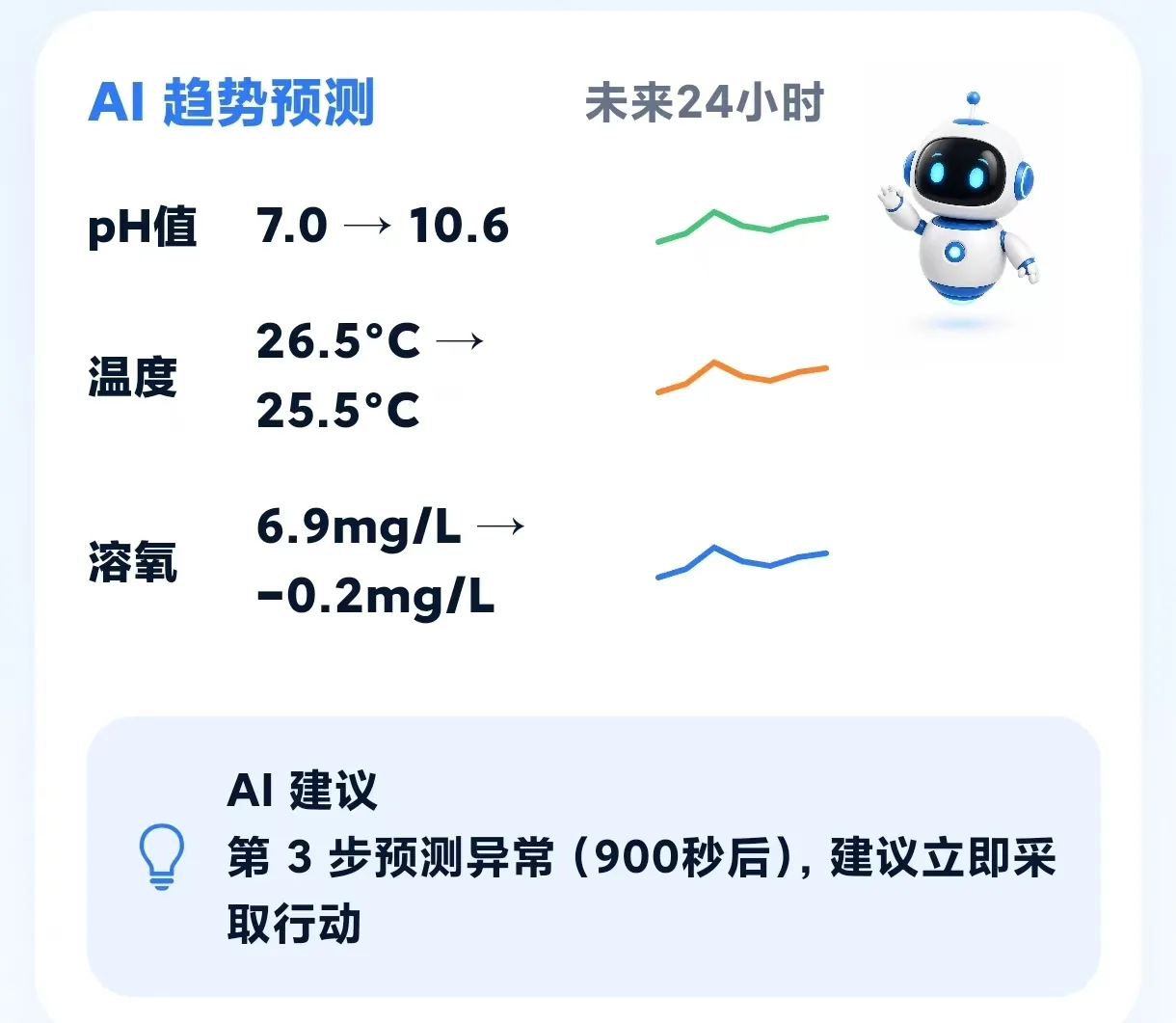


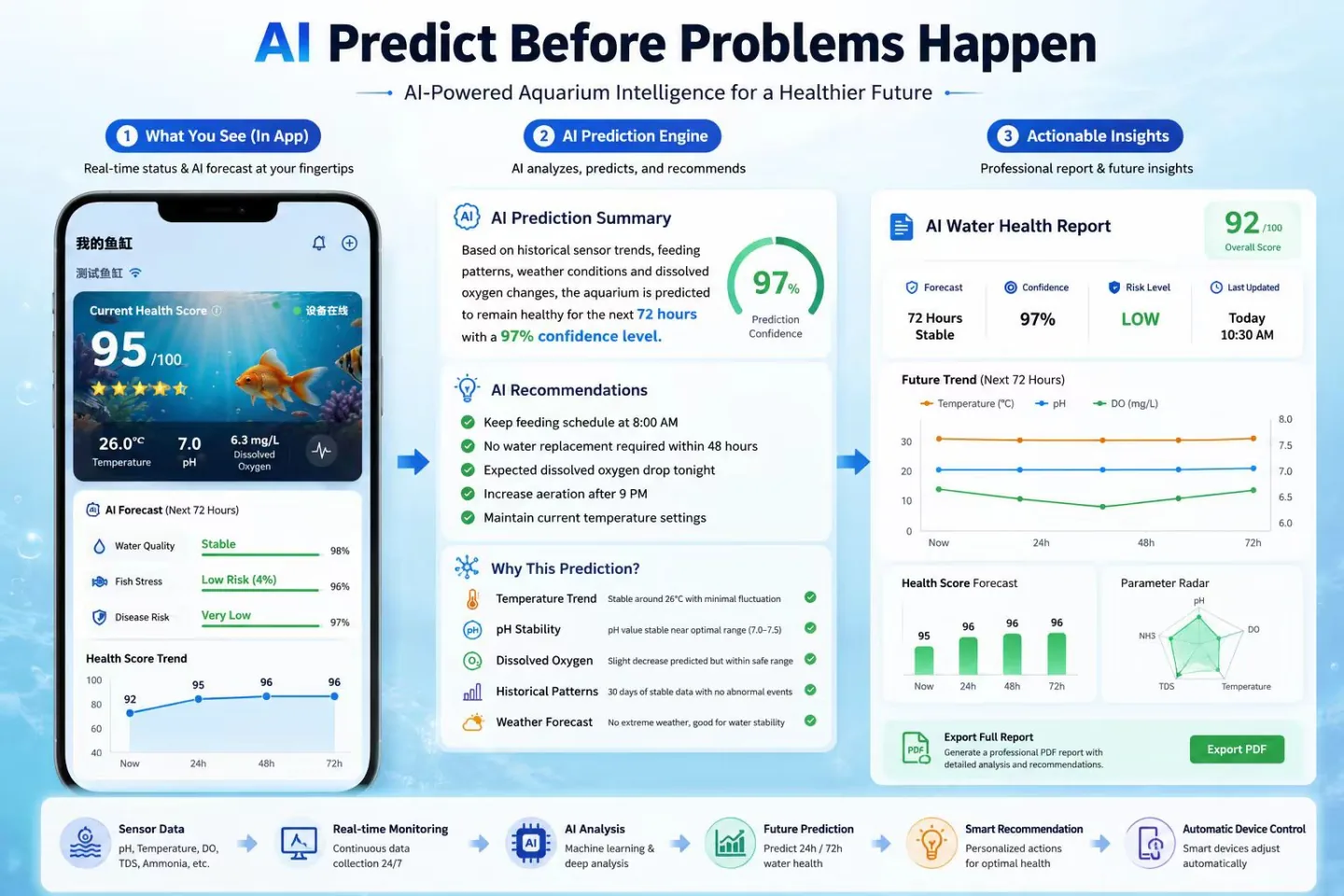
These project demo screens include example readings and indicators for proposed extensions.
Explore the smart-fish-tank open-source project →Designing and debugging together
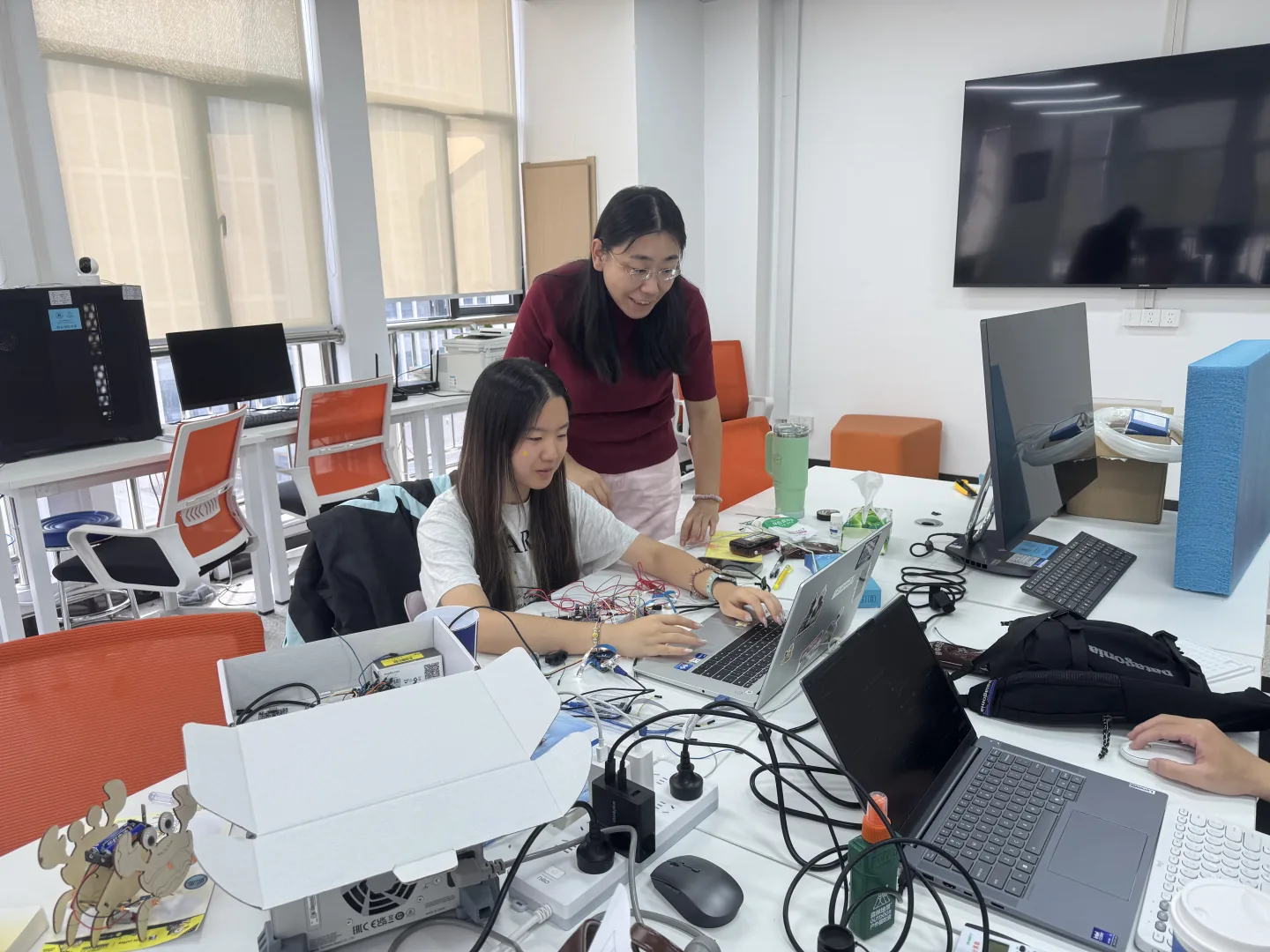
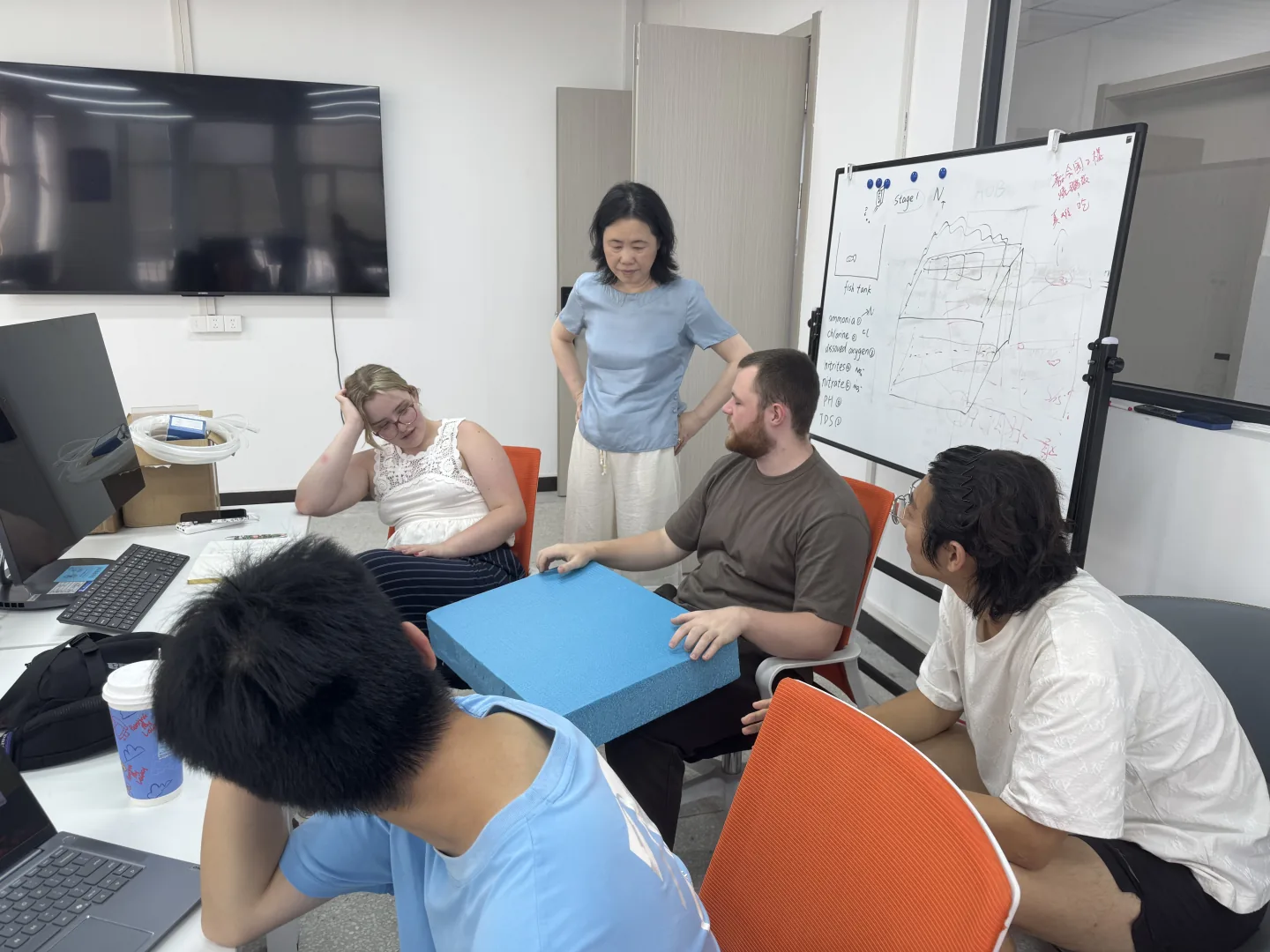
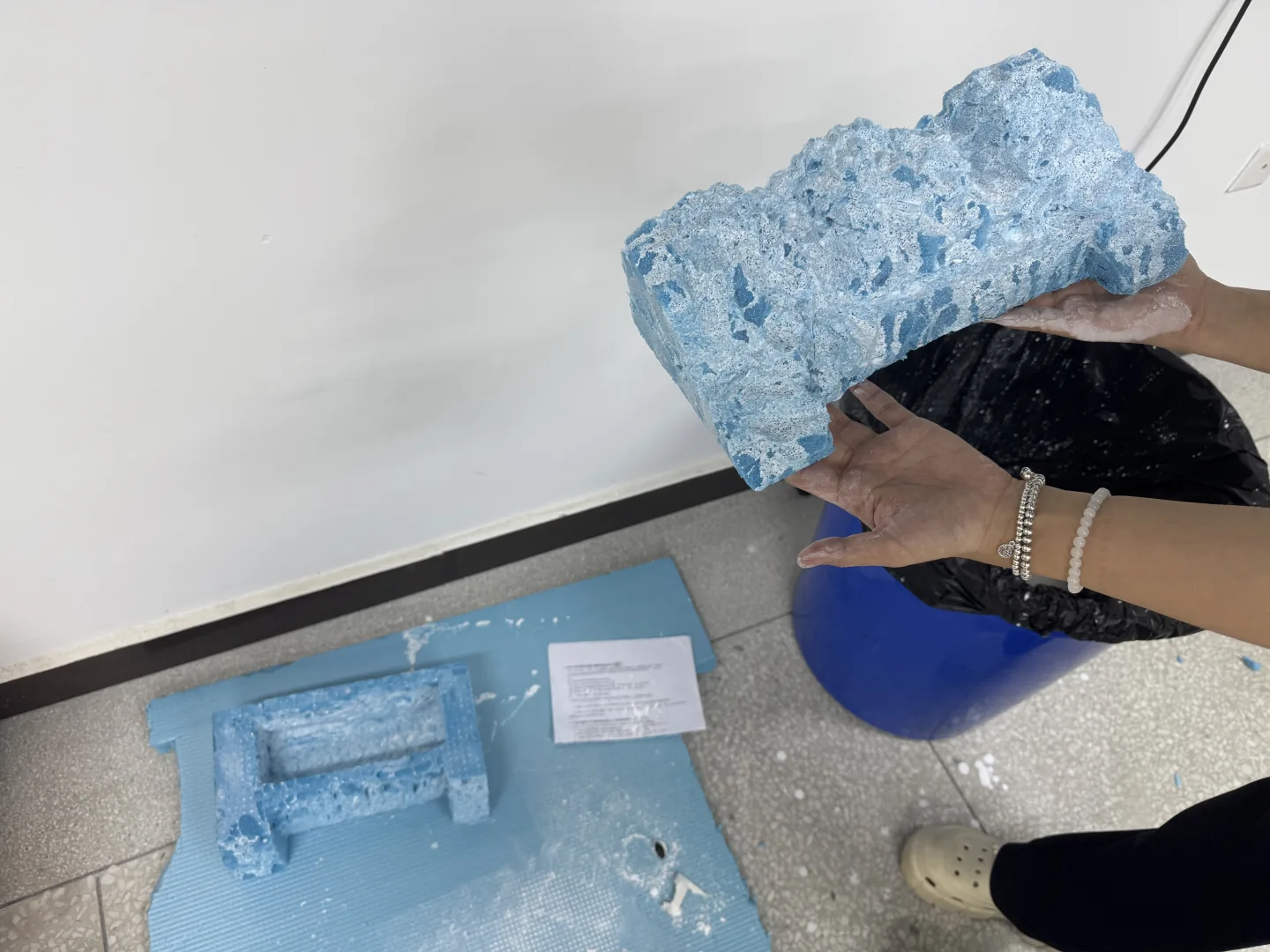
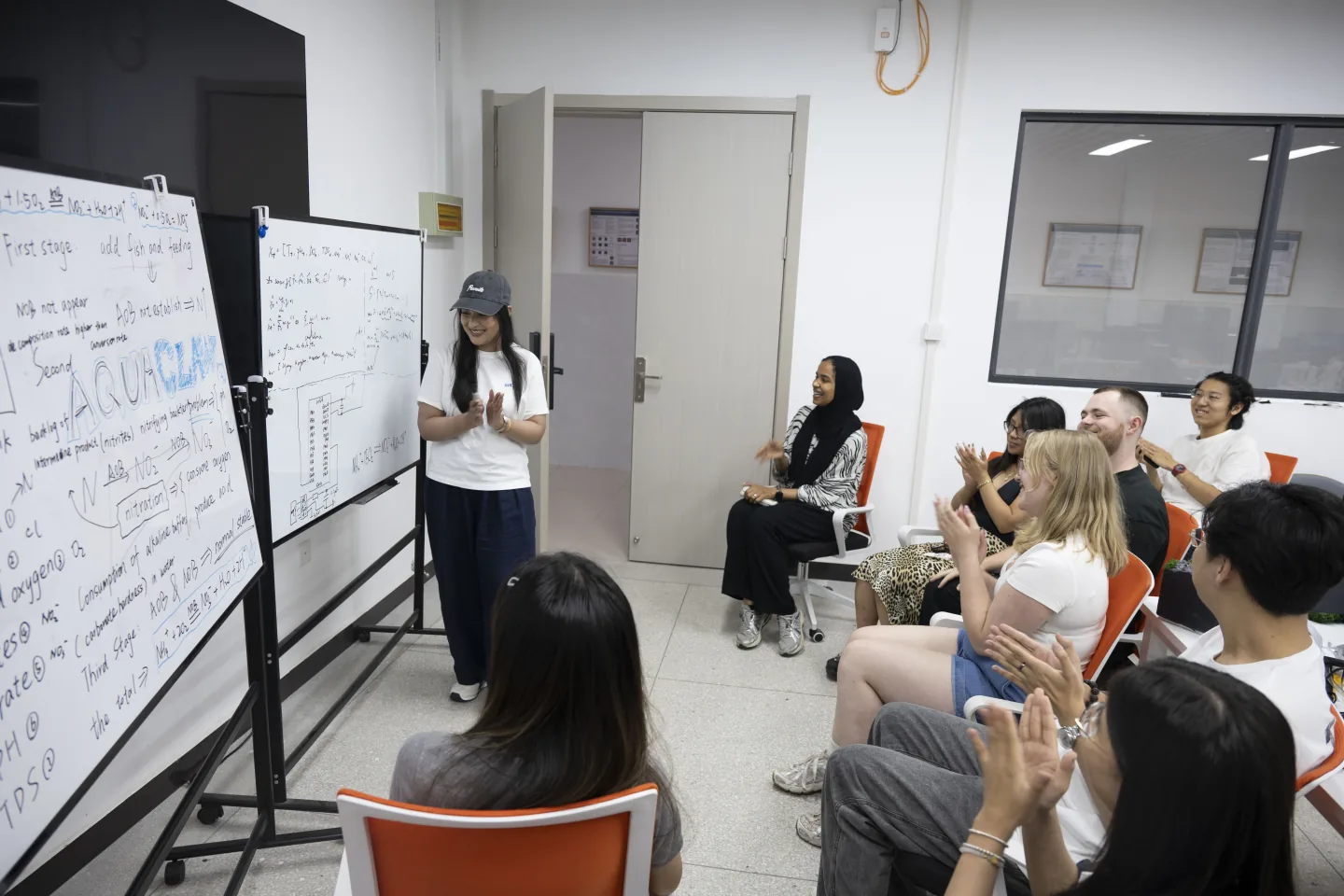
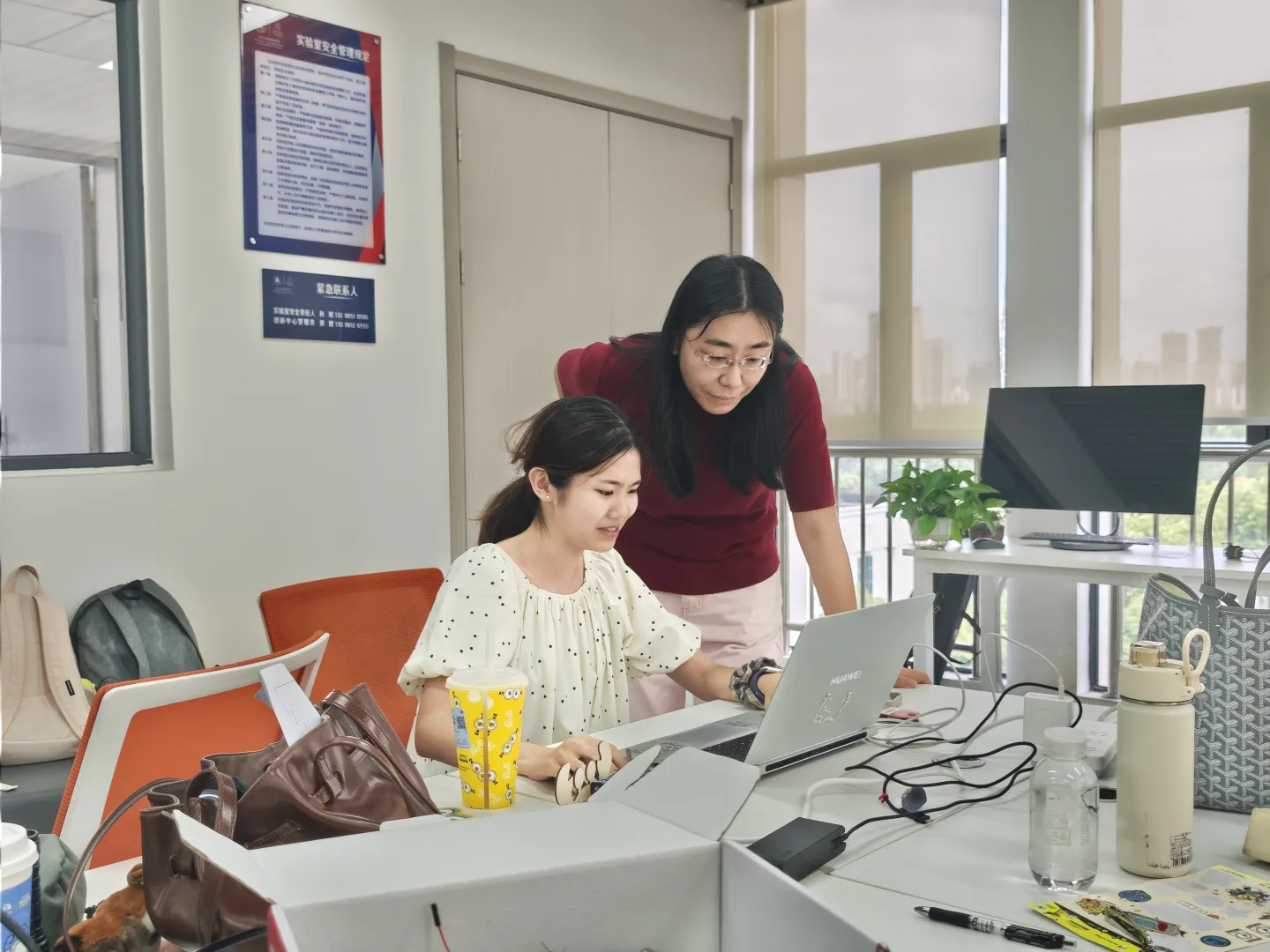
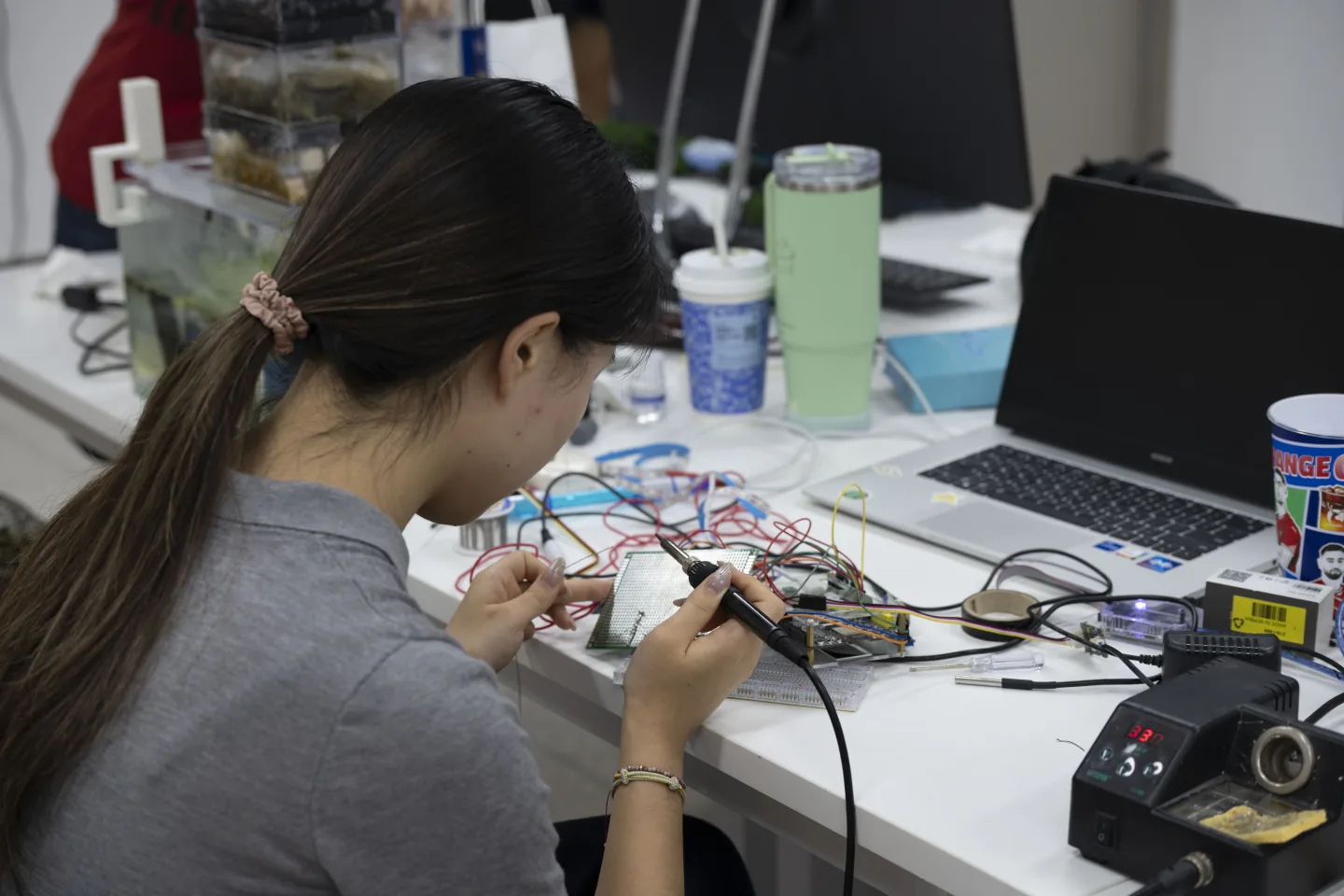
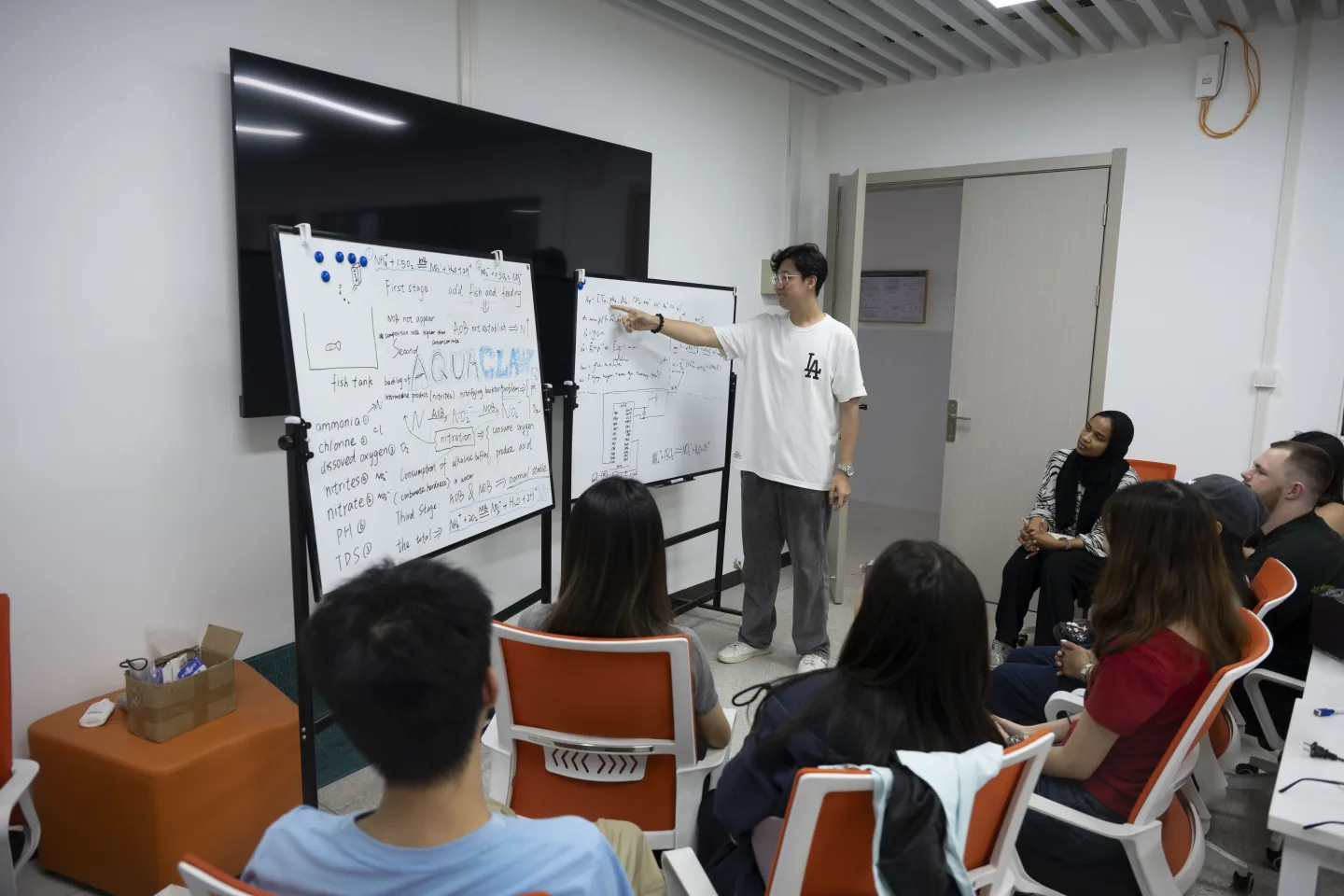
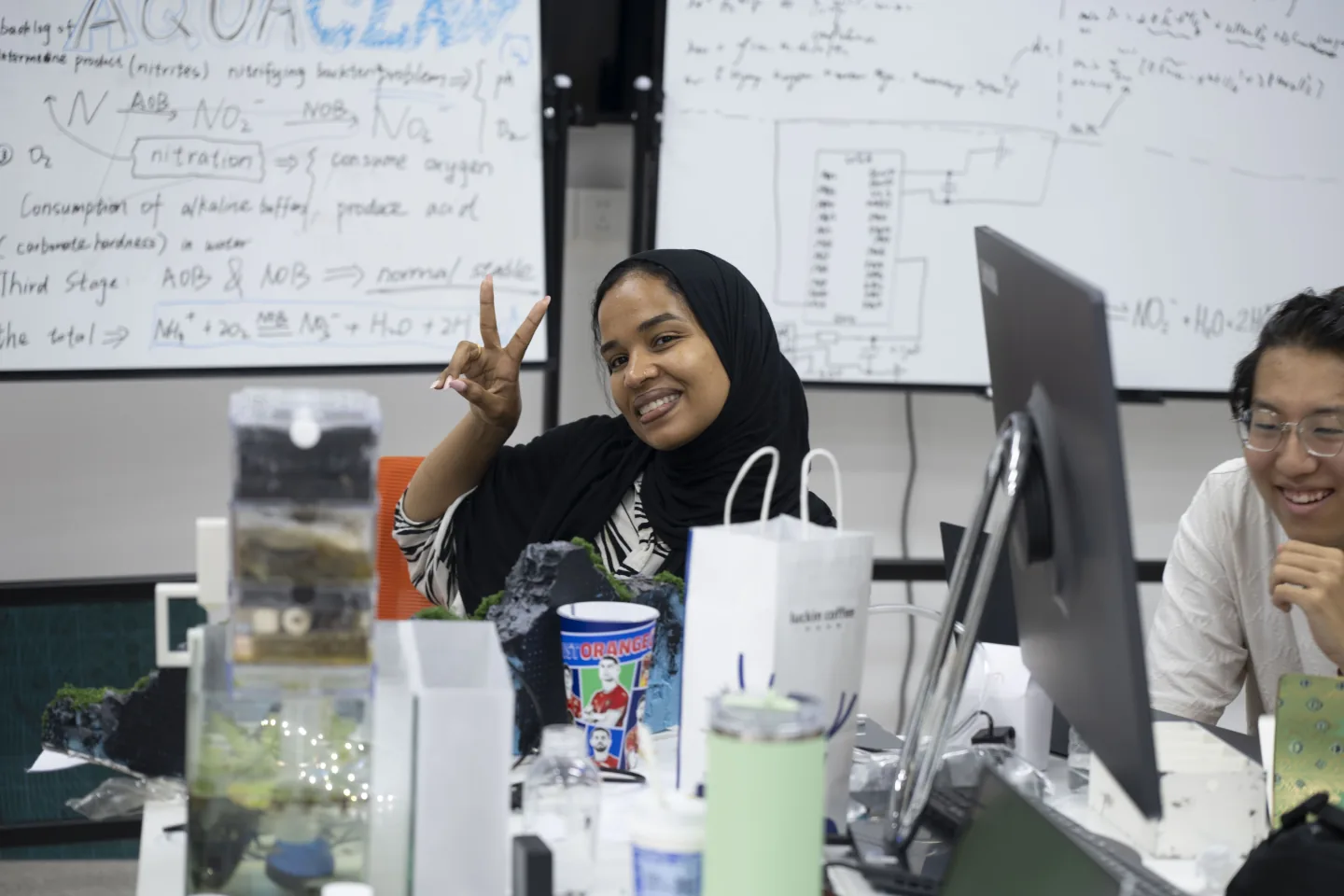
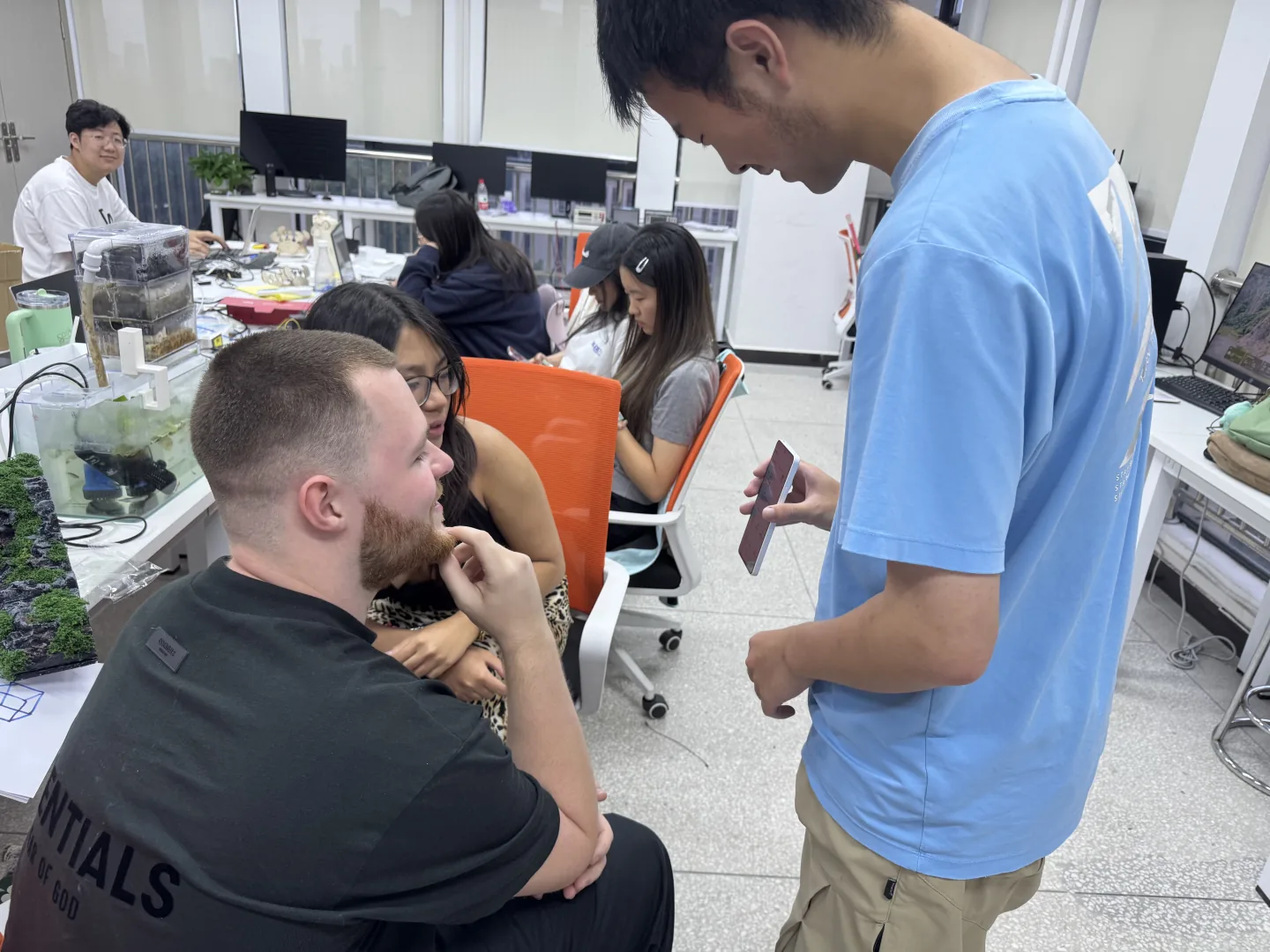
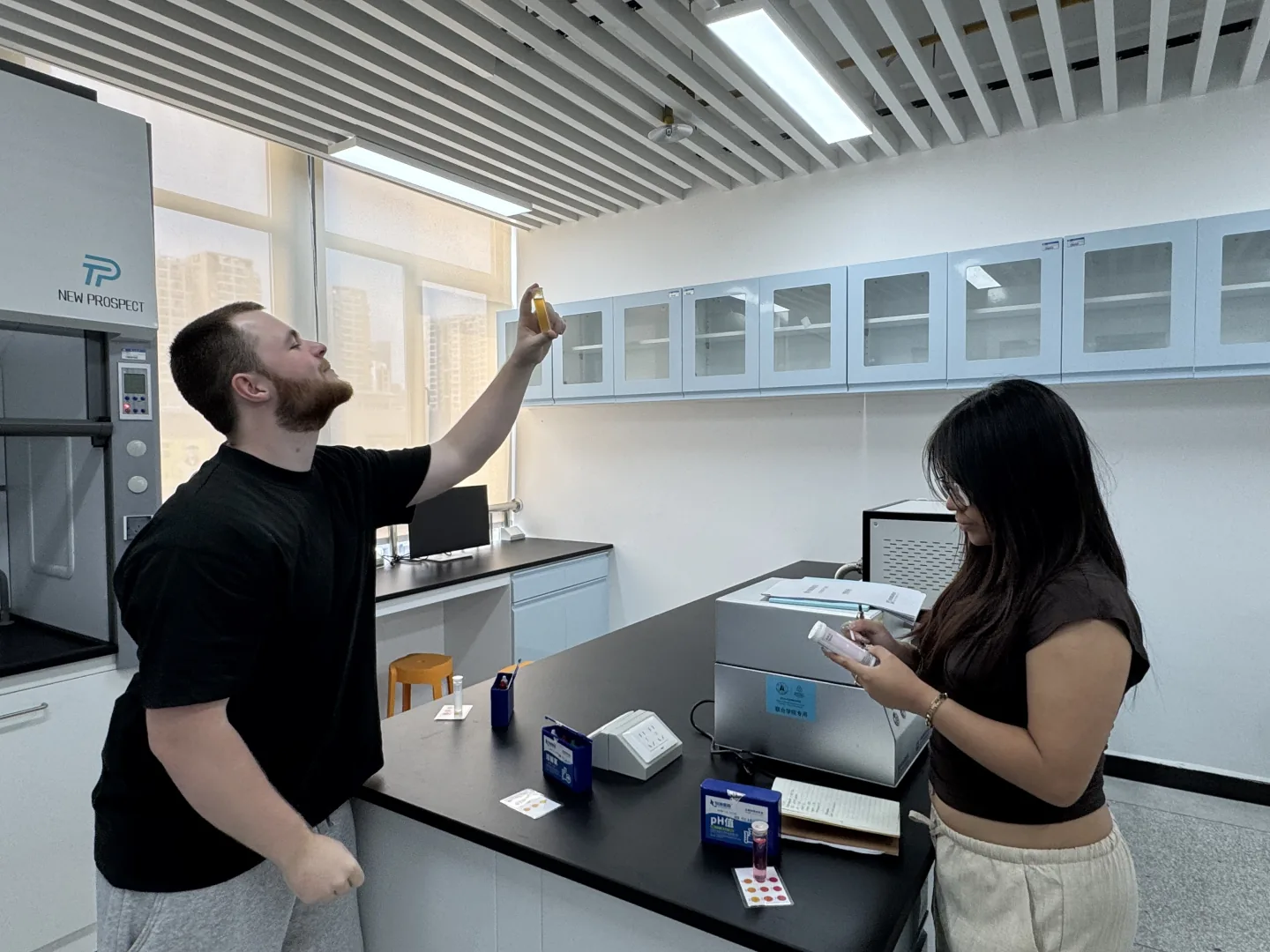
The presentation records discussions, assembly, electronics work and visits. Students from different disciplines coordinated around one prototype, connecting water treatment, structural design and software.
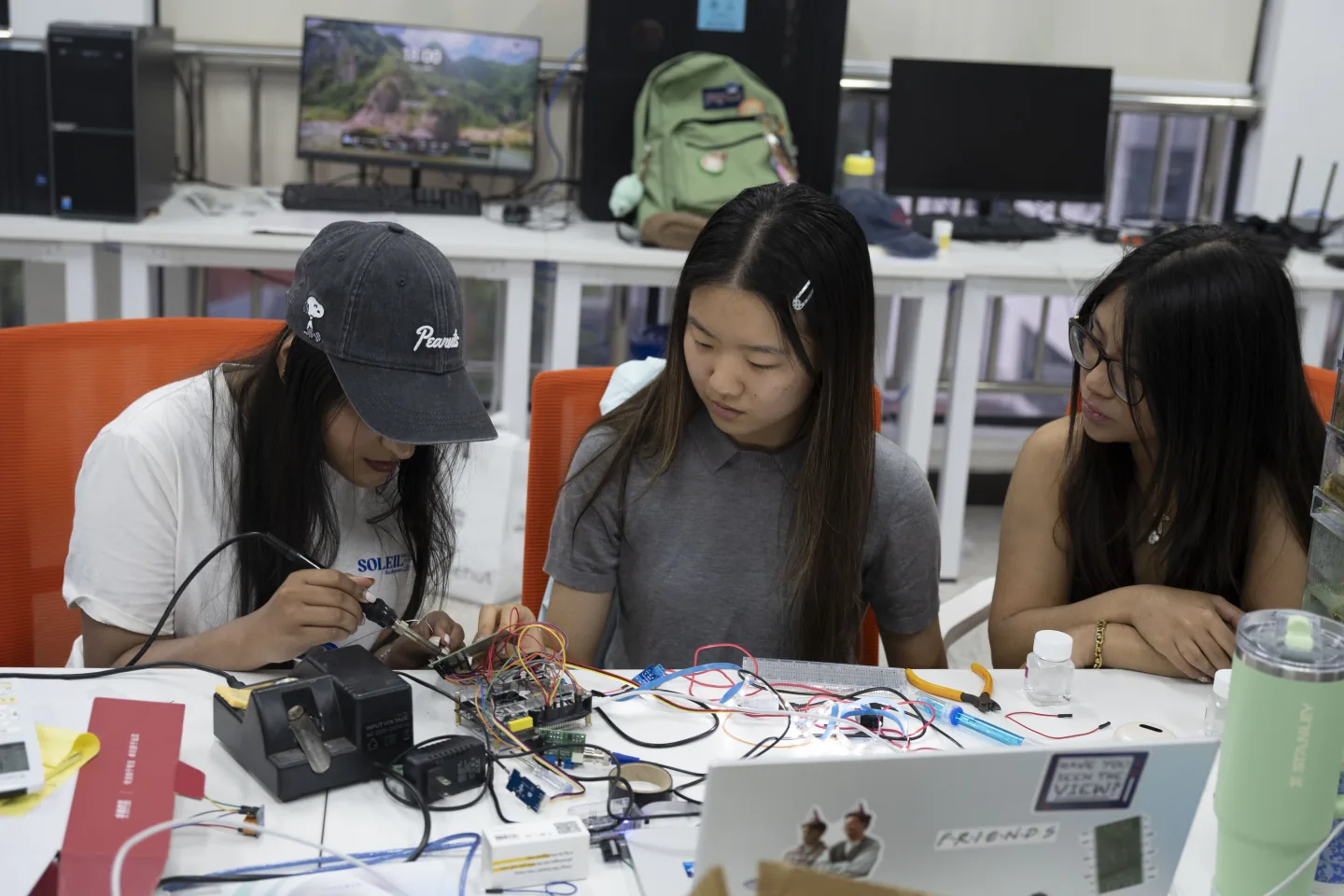
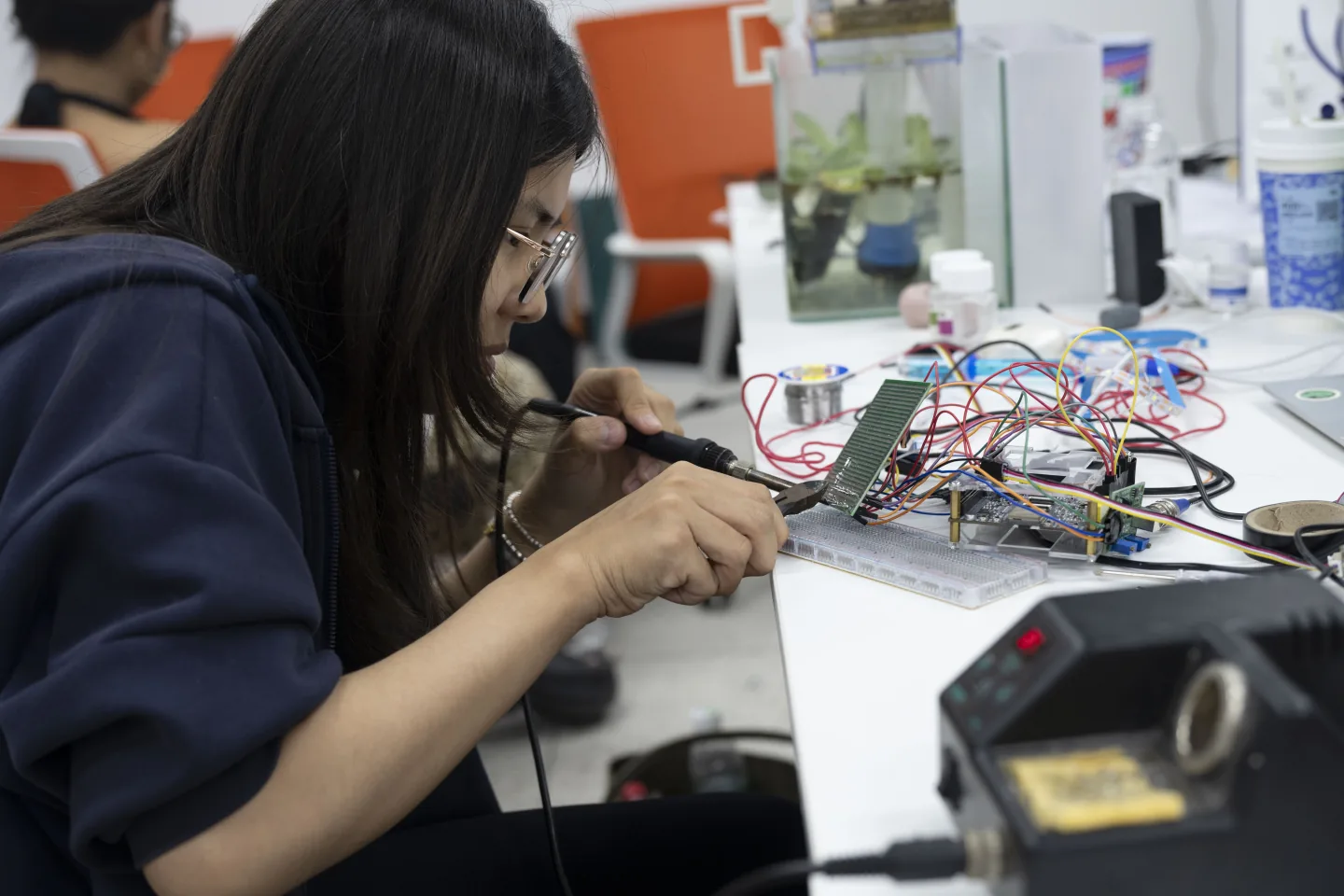
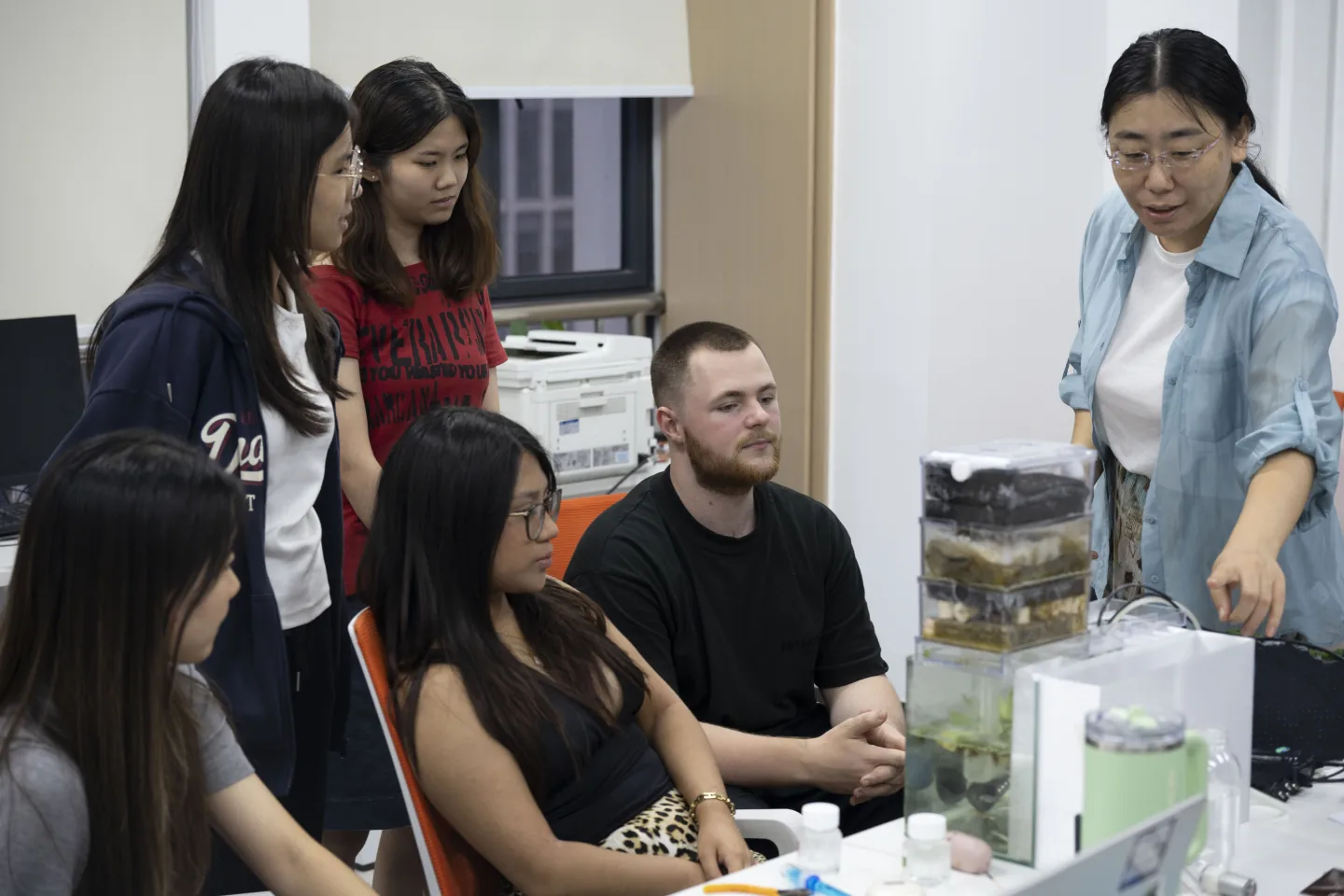
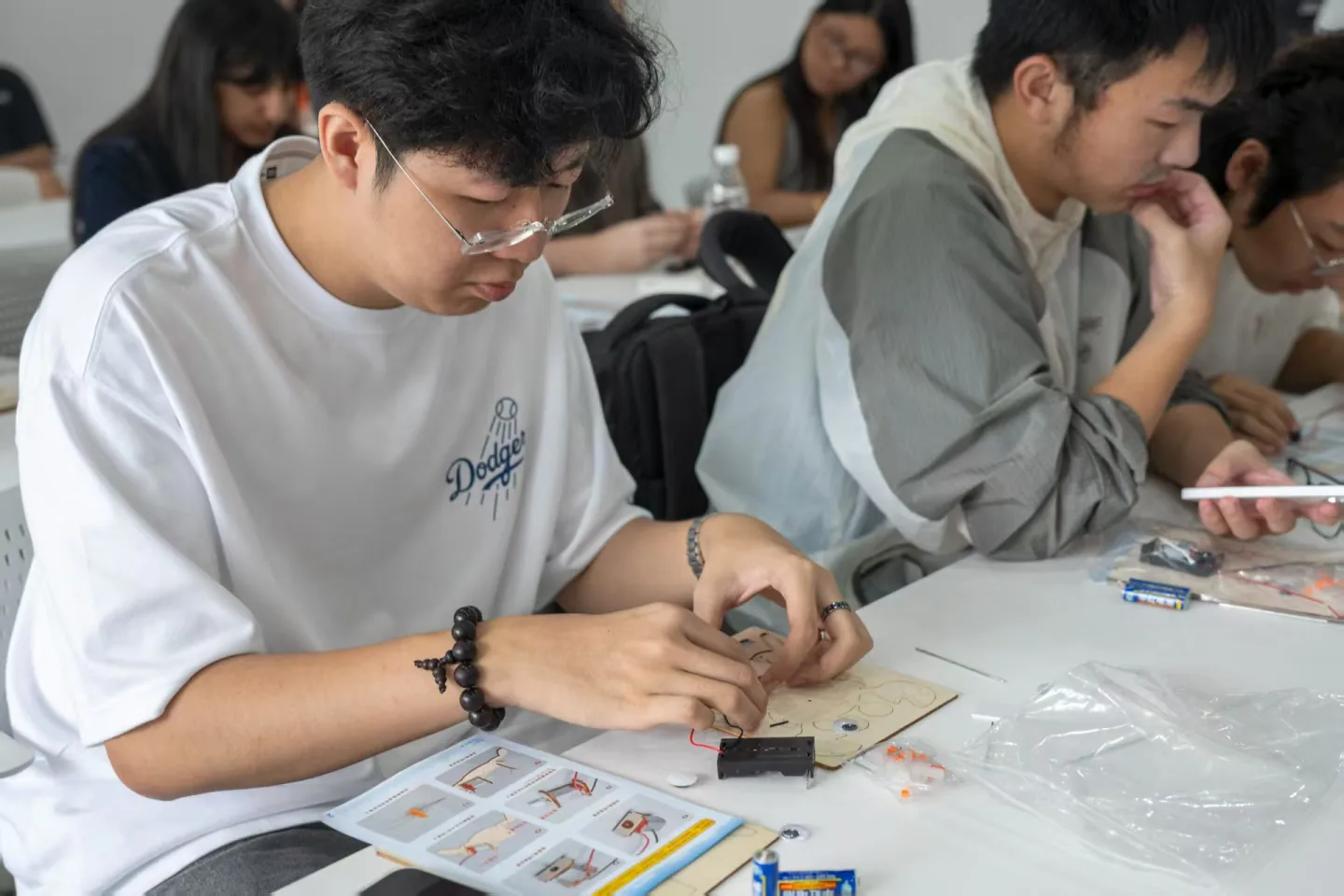
Making and debugging
Explore the team’s responsibilities
Chinese and British students worked across water treatment, structural design, electronics and software.
- Zhenxin Lin
- Team lead, coordinating work plans, collaboration and resources.
- Shenghan Xu
- Control-device and electronics structure design, and 3D printing.
- Jiayi Du
- System software, functional logic and debugging.
- Xiyuan Zhang
- Water-quality analysis, filtration and treatment design.
- Jiatong Song
- Sensor wiring, hardware connections and acquisition debugging.
- Jiashuo Wang
- Data-upload debugging and sensor calibration.
- Haowen Xiao
- Control-command mechanisms, intelligent feeding and dosing devices.
- Junyan Liu
- AquaClaw team member listed in the programme.
- Lewis Burgess
- Filter-media selection and optimisation, and aquascaping.
- Lucy Fentem
- Water sampling, testing, records and aquatic-plant selection.
- Isabella Torres
- Water-quality records and landscape models supporting filter development.
- Dua Kaleem
- Circuit architecture and support for sensor wiring and assembly.
- Fatima Abuagla
- STM32 data acquisition and tiered feedback, adapting sampling to water-quality risk.
Support and further work
Dean Yun Gao supported the project, with Tingting Zhang advising on mechanical engineering and academic research. The project received the college summer camp’s Grand Prize, and the team continues its work on intelligent water management.
From physical components to the application demo, the prototype brought together work across disciplines.
Programme and further reading
Programme details follow the summer school booklet. Project descriptions and photographs come from the AquaClaw presentation.
The public booklet retains original pages 1–15. Contact directories, the contact cover and a blank notes page are omitted.